
Makassar Environment Agency Targets 50 Pct Reduction in Waste Sent to Tamangapa Landfill
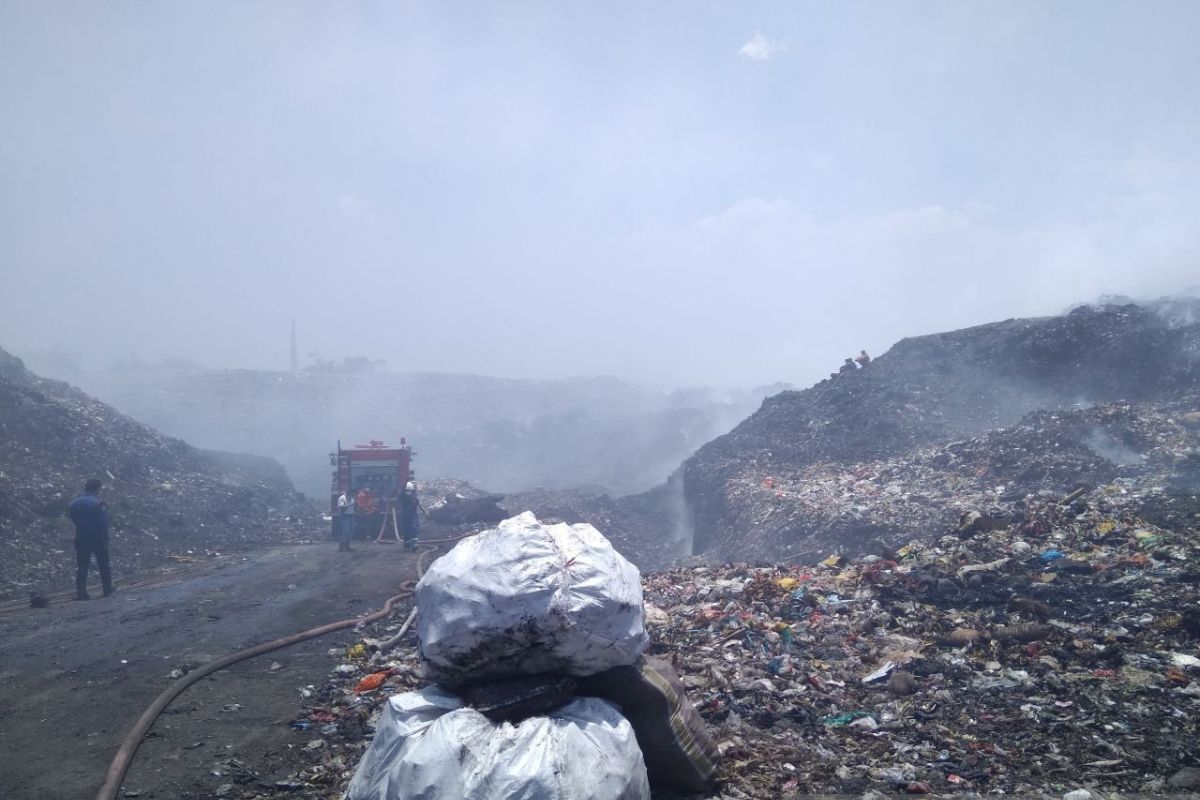
The Makassar Environment Agency (DLH) in South Sulawesi is targeting a reduction in the volume of waste entering the Tamangapa Final Disposal Site (TPA) by more than 50 per cent through a policy banning organic waste from the landfill. The policy, which begins a trial phase on 1 July 2026, is the initial step in transforming TPA Tamangapa from an open dumping system into a more environmentally friendly sanitary landfill, said Aswin Harun, Head of the Waste and Hazardous Waste Division at DLH Makassar, on Friday. He stated that the pilot programme is being implemented in 15 sub-districts with several community units (RW) serving as trial locations. Under this policy, residents are required to sort their waste at home so that organic waste is no longer transported to the landfill. According to him, the first day of implementation marks a momentum to build a shared commitment between the government, sanitation workers, and the community in adopting a waste sorting culture. The programme’s implementation is being trialled initially in Panambungan Urban Village, Mariso Sub-district, and will be followed by 400 other urban villages across Makassar. For years, TPA Tamangapa has received all types of waste using a collect, transport, and dump model. This condition has caused the 16.8-hectare landfill to exceed its capacity and create various environmental problems. The accumulation of organic waste produces flammable methane gas and leachate that potentially contaminates groundwater. Therefore, stopping the flow of organic waste to the landfill is considered a crucial step to extend the site’s operational lifespan while reducing pollution impacts. Under the new system, every household is required to separate organic waste, such as food scraps, vegetables, leaves, and fruit peels, from inorganic or residual waste like plastics, paper, and bottles. The sorted inorganic waste will be channelled to waste banks, giving it a higher selling value. DLH Makassar is optimistic that this policy will not only reduce the burden on TPA Tamangapa but also encourage the implementation of a circular economy within the community. During the trial period, the agency will continue to provide assistance and evaluation so that the sorting-based waste management system can be implemented gradually across all areas of Makassar City.