
Majority of Indonesian SMEs Yet to Obtain Halal Certification
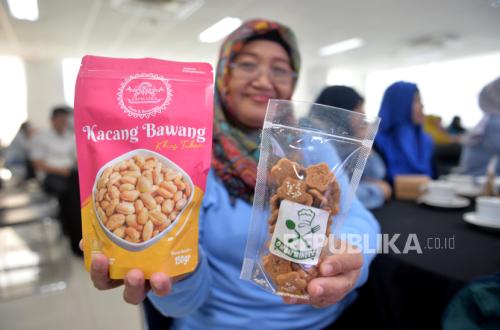
REPUBLIKA.CO.ID, JAKARTA – The majority of micro, small, and medium enterprise (UMKM) actors in Indonesia do not yet possess halal certification. However, the government will expand the mandatory halal certification requirement for various products starting in 2026.
Director of Sharia Economy and SOEs at the Ministry of National Development Planning/Bappenas, Rosy Wediawaty, stated that out of approximately 56.2 million national business actors, only around 2.6 million have halal-certified products. The majority come from the food and beverage sector.
According to her, this situation poses a major challenge because micro enterprises form the main foundation of the national sharia economy.
“The most crucial foundation in strengthening our sharia economy relies on micro enterprises,” said Rosy during a webinar titled Accelerating Halal Industry Development: Sharia Economy Bill for Job Creation, on Friday (8/5/2026).
Rosy explained that halal certification is now not just an administrative matter or religious obligation, but also a strategy to enhance product competitiveness and market access for UMKM.
However, many small business actors still face obstacles in obtaining halal certification, ranging from costs, administrative processes, to low halal literacy.
Therefore, the government is preparing several steps to accelerate halal certification. One of them is through the integration of the OSS and SIHALAL systems to make the business licensing and halal certification processes simpler.
The government is also continuing subsidies for halal certification costs through the Sehati programme and expanding UMKM assistance through universities, pesantren, and sharia economy communities in various regions.
Rosy stated that the government is also beginning to prepare special markets or captive markets for halal UMKM products so that business actors can gain real economic benefits after obtaining certification. “So halal certification should not just become an administrative burden,” she said.
On the other hand, Head of the Halal Industry Centre at the Ministry of Industry, Kris Sasono Ngudi Wibowo, said that the expanding halal obligation starting in 2026 will pose a major challenge for UMKM.
Starting next year, the halal certification obligation will not only apply to food and beverages but also to cosmetics, chemicals, household products, and other consumer goods.
According to Kris, halal literacy among small business actors is still low. Many UMKM do not yet understand halal standards and the economic benefits of halal certification.
Yet, Indonesia’s halal market is now targeted by many countries. Halal products from China, South Korea, Japan, to the United States are increasingly aggressively entering the domestic market.
Therefore, the government considers accelerating UMKM halal certification important so that local business actors do not lose competitiveness in their own market and can penetrate the global halal market.