
Major Raids Reveal Food Safety Issues in India
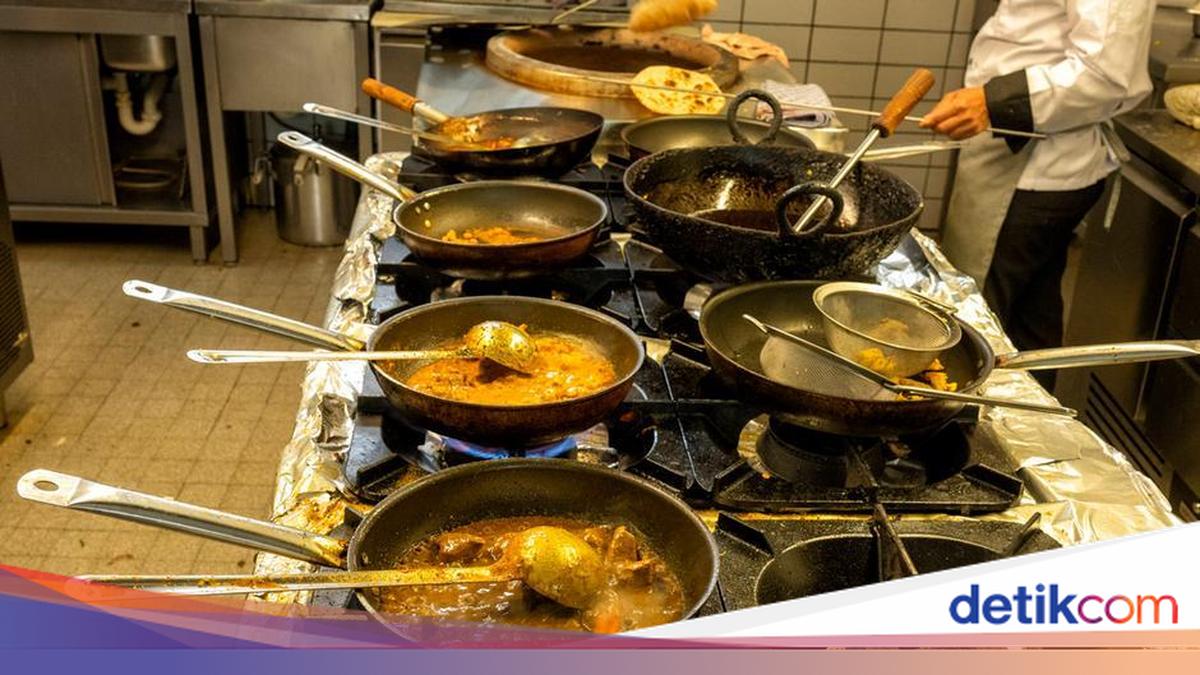
In recent months, officers from the Food Safety and Standards Authority of India (FSSAI) have conducted inspections in the kitchens of several five-star hotels in the Aerocity area of New Delhi, including JW Marriott and Andaz.
At Andaz, officials discovered “numerous serious violations of food safety and hygiene,” including “improper separation of vegetarian and non-vegetarian food, the presence of pests, poor sanitation, inadequate food handler hygiene, and improper food storage.”
Upon inspecting JW Marriott, officers also found “serious issues in hygiene and sanitation,” including “equipment and surfaces in contact with food in unclean condition, visible particles in drinking water,” and “inadequate pest control.”
Both hotels stated they are cooperating fully with regulators and are evaluating and implementing corrective measures. Both also reaffirmed their commitment to food safety, hygiene, and guest safety.
Beyond hotel kitchens, the FSSAI crackdown has not only targeted high-end restaurants. Since July, the regulator has also issued over 150 warning letters to several leading food and beverage companies, primarily regarding misleading advertisements, health claims, and product labelling.
Findings from this series of inspections align with FSSAI food testing data. In the 2023-2024 and 2024-2025 periods, the authority tested approximately 170,000 food samples annually. About one in five samples was declared non-compliant. For 2025-2026, testing results showed only slight improvement; out of 223,808 samples, 40,023 failed to meet safety or labelling standards, according to preliminary data submitted to Parliament in July.
According to FSSAI data, “non-compliant” foods include products that are adulterated or mixed with other ingredients, are of substandard quality, are contaminated, or have incorrect labelling.
Sunil Ghadiok, a hospitality industry veteran with over 45 years of experience and founder of Enserve Hospitality and Management Services, told DW that such “negligence” does not reflect the industry as a whole.
“Negligence occurs because food safety depends on implementation at the operational level,” said Ghadiok. “The bigger issue is not the existence of standards, but the overall commitment to hygiene and food safety.”
He noted that inspections should be more routine and targeted towards higher-risk establishments. “Food safety should not only become a concern following complaints or major inspections,” Ghadiok added.
India still faces challenges in ensuring that food safety regulations are applied routinely and consistently. The FSSAI Hygiene Rating Scheme for restaurants is voluntary; businesses can apply for an assessment but are not required to participate. Consequently, enforcement tends to gain attention only when violations occur, while daily oversight is not always visible.
Yash Bhanage, founder and COO of Hunger Inc Hospitality, which manages The Bombay Canteen, O Pedro, and Bombay Sweet Shop, told DW that food safety issues are not always related to the scale or prestige of a restaurant.
“Food safety cannot be treated merely as a checklist to be completed because inspectors are coming,” said Bhanlag. “It must be part of a restaurant’s operational culture.” He noted that the challenge lies in maintaining standards amidst staff and supplier turnover, various shifts, and peak hours.
Bhanage stated that the current focus on food safety represents “an opportunity for the industry to move from a culture of mere compliance to a culture of prevention.”
Manu Chandra, a chef and restaurateur, told DW that the implementation of food safety systems needs to reach more businesses. “A strong ecosystem needs to be built around the food and beverage sector, which in many ways is still poorly organised,” said Chandra. “Adequate systems are much needed, and FSSAI regulations must be enforceable down to the lowest level. Better traceability of product origins and stricter oversight throughout the supply chain would greatly assist the sector.”
These enforcement actions are beginning to prompt some businesses to strengthen their internal systems. Samir Kuckreja of Tasanaya Hospitality, a Delhi-based hospitality consultancy, told DW that more restaurants and hotels are requesting assistance with food safety audits, standard operating procedure development, and staff training.
“We first assess how the kitchen operates, then tailor training to address the deficiencies found,” said Kuckreja. “Unannounced inspections followed by periodic audits usually yield better results than scheduled visits or self-inspections using checklists.”
India’s food regulator is also under scrutiny. FSSAI’s actions against large food and beverage companies also include violations regarding labelling and the use of what are deemed misleading claims.
Separately, the Supreme Court of India has questioned the regulator regarding plans to implement warning labels on the front of packaging for processed foods containing high levels of sugar, salt, or fat. The Court has requested that the FSSAI provide…