
Maintaining Trust from the Cutting Room
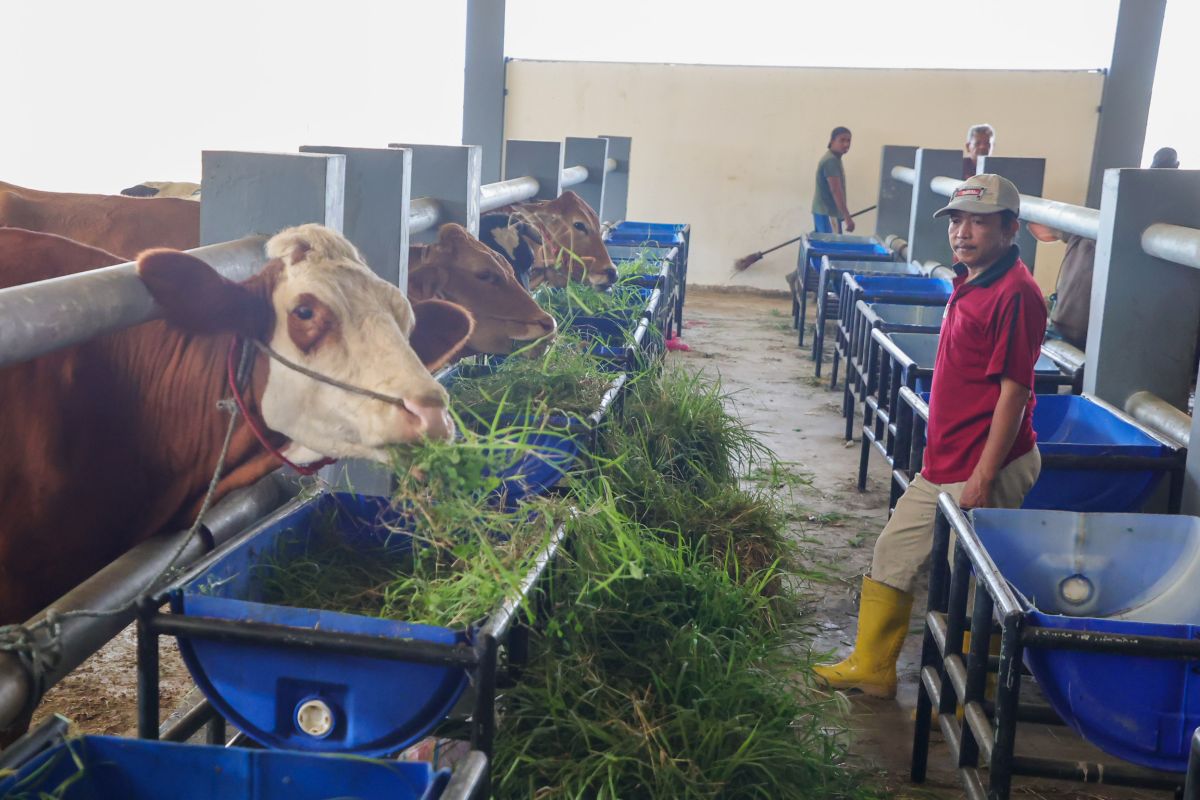
At the dining table, a piece of beef often arrives without a story. The public rarely imagines the long journey it takes before reaching traditional markets, restaurants, or household kitchens. Behind every kilogram of meat lies a supply chain dependent on one crucial, often overlooked node: the slaughterhouse.
In Surabaya, East Java, that node is entering a new chapter. Starting 1 June 2026, cattle slaughtering activities previously conducted in Pegirian will move to the Tambak Osowilangun Slaughterhouse (RPH). This relocation is not merely a physical move; it reflects an effort to modernise the food services of an increasingly complex city.
The step aligns with the needs of a growing metropolis. Surabaya, with a population exceeding three million, requires a food supply system that not only guarantees volume but also meets increasingly stringent health, safety, and halal standards.
However, like many transformation projects, the initial phase has not been entirely smooth. At Tambak Osowilangun, several technical issues have surfaced. The availability of clean water is a primary challenge, with operational needs reaching around 50,000 litres per day while the current supply falls far short of the ideal.
Other problems include the elevation of the slaughter floor, which causes blood pooling, and operational glitches in the overhead rail system used for moving carcasses.
At first glance, these appear to be purely technical and administrative matters. Yet, upon closer examination, they touch on a larger issue: the readiness of urban food infrastructure to meet future demands.
In many developed nations, a slaughterhouse is no longer viewed merely as a killing facility. It is part of a food security system that determines the quality of animal products, distribution efficiency, disease control, and even food price stability.
Therefore, the challenges facing the Surabaya RPH are not just about water, rails, or drainage channels. The real challenge is how to build a modern food ecosystem capable of answering the needs of a major city.