
Maintaining the purchasing power of subsidised housing amid BI Rate hike
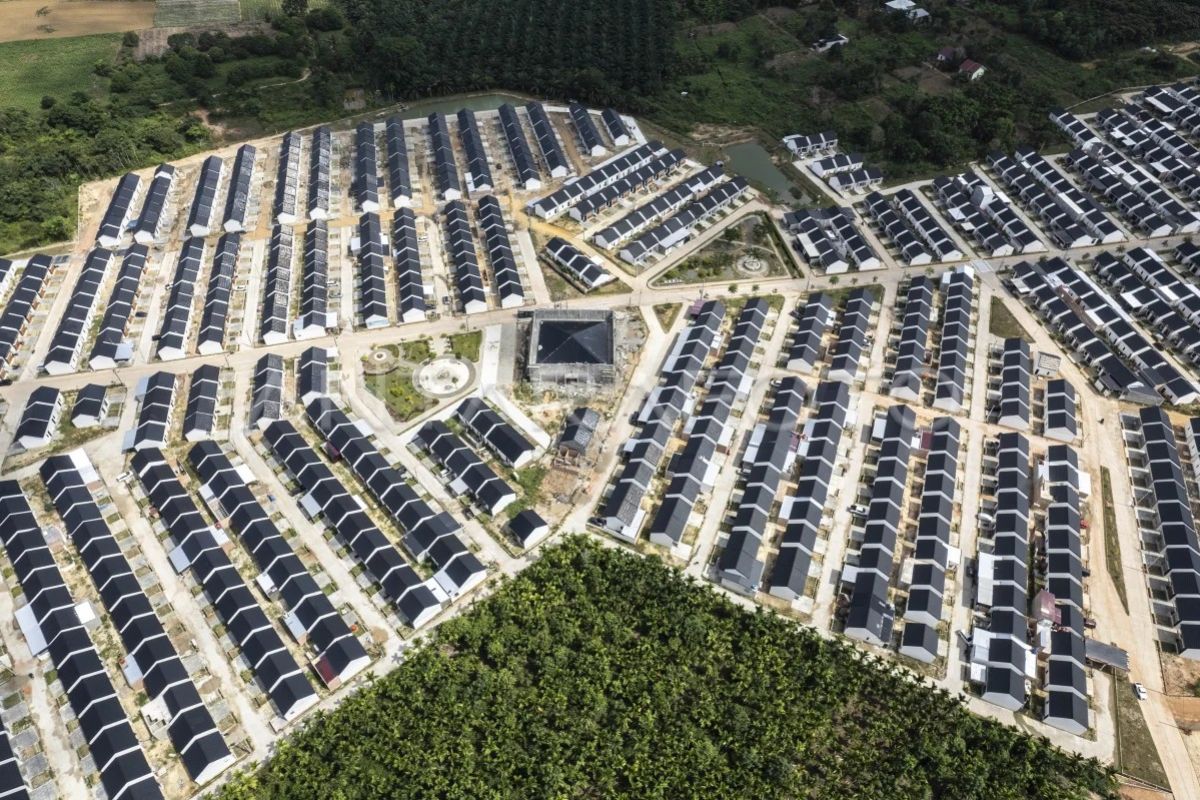
Jakarta (ANTARA) - Bank Indonesia’s decision to raise its benchmark interest rate in June 2026 has drawn attention from various quarters, particularly the housing sector and members of the public planning to purchase a home. During the June 2026 Board of Governors Meeting, Bank Indonesia decided to increase the BI-Rate by 25 basis points to 5.75 per cent. Concurrently, the deposit facility rate rose to 4.75 per cent and the lending facility rate climbed to 6.50 per cent. From a macroeconomic perspective, this move is understandable as an effort to maintain national economic stability amidst various global challenges, including international financial market volatility, exchange rate dynamics, and inflationary pressures. However, for those currently paying off a mortgage or planning to buy a house through a Home Ownership Credit (KPR) scheme, a rise in the benchmark rate often triggers fresh concerns. Will mortgage interest rates also increase? Will monthly instalments become more burdensome? Will the dream of owning a home have to be postponed once again? In this context, the statement by the Minister of Housing and Settlement Areas, Maruarar Sirait, becomes highly significant. The Minister confirmed that subsidised KPR interest rates will not rise, despite the BI Rate hike. This statement not only provides certainty to the public but also demonstrates the government’s commitment to meeting the people’s basic need for access to decent and affordable housing. This policy deserves appreciation, as the housing sector is one of the most sensitive to changes in interest rates. Unlike the purchase of other consumer goods, a home is almost always acquired through long-term financing. Therefore, a small change in the interest rate can have a substantial impact on people’s ability to buy a house. Consider a young worker who has just started a family and is eyeing a subsidised house. With a limited income, the calculation of monthly instalments becomes the primary factor in determining whether the house is affordable. When interest rates rise, the instalment burden potentially increases. An increase of a few hundred thousand rupiah per month may appear minor on paper, but for a low-income family, that figure can determine the sustainability of their household finances. For this reason, the decision to maintain subsidised mortgage interest rates at the established level is a strategic move. The government is essentially ensuring that monetary policy fluctuations do not directly impede people’s access to their first home.