
Maintaining Regional Stability: Minister of Home Affairs Urges Forkopimda to Strengthen Solidarity
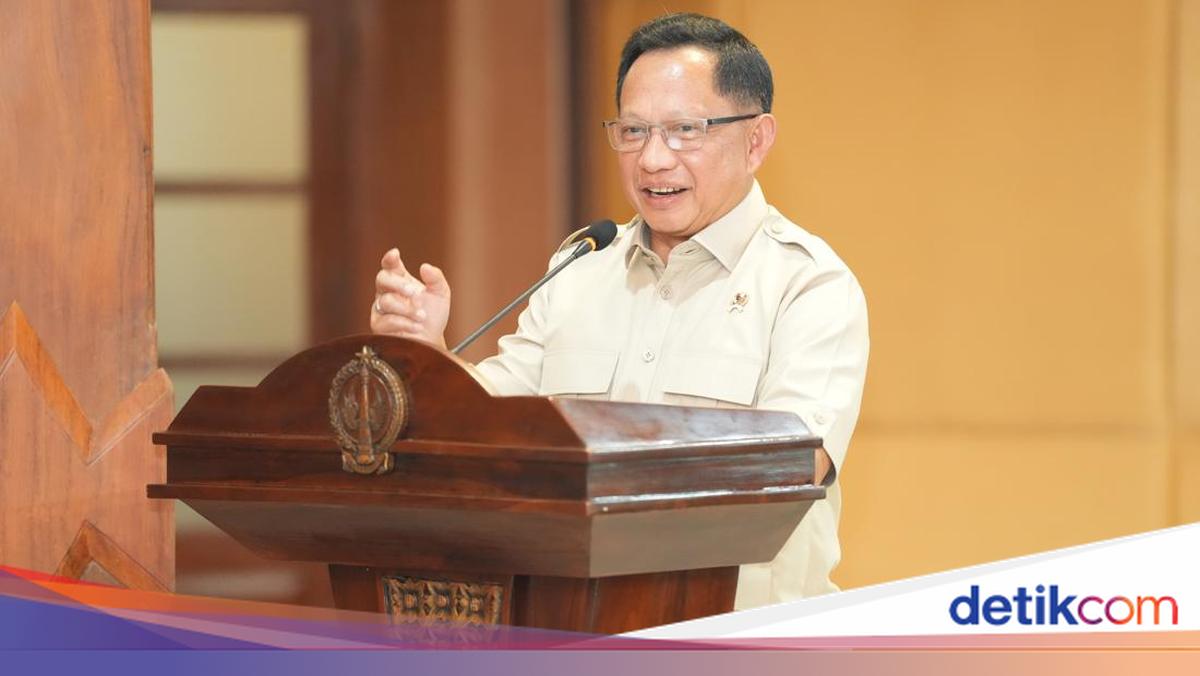
The Minister of Home Affairs, Tito Karnavian, delivered these remarks during a gathering of the Coordinating Minister for Political and Security Affairs, the Minister of Home Affairs, the Minister of Housing and Residential Areas, and the Head of the Central Bureau of Statistics with regional heads and Forkopimda members from the provinces of Java and Bali at the Gedhong Pracimosono, Yogyakarta, on Thursday.
In his address, Tito emphasised that Java and Bali hold a highly strategic position for Indonesia, serving as the hub for various national activities and housing nearly 60 per cent of the Indonesian population. “Therefore, it is extremely important for the unity of the nation and state sovereignty,” Tito stated in his briefing.
Consequently, Tito stressed the importance of maintaining political and security stability in every region. He noted that development can only proceed if regional conditions remain safe and conducive; conversely, past instances of unrest in several areas have disrupted both governance and development processes. He also warned that even small-scale conflicts or acts of violence can undermine the effectiveness of regional administration.
To address this, Tito urged all elements of the Forkopimda to continuously strengthen communication and coordination, both formally and informally. Drawing from various experiences, he noted that regions where leaders maintain cohesion tend to resolve issues more rapidly and prevent conflicts from escalating.
Furthermore, the Minister requested that local governments revitalise the Religious Harmony Forum (FKUB) as a vital instrument for maintaining harmony and preventing social conflicts rooted in religious issues. He also encouraged regional heads, particularly those with sufficient fiscal space, to allocate budgets through the Regional Revenue and Expenditure Budget (APBD) to support FKUB activities.
“Please also revitalise the FKUB. In regions vulnerable to religious issues, if the FKUB is active, they can prevent potential religious conflicts more quickly. Conversely, if the FKUB is inactive and only mobilised when a problem arises, it will be too late,” he concluded.