
Maintaining Flexibility and Open Access to Work: Several Online Taxi Communities Reject Worker Status Proposal
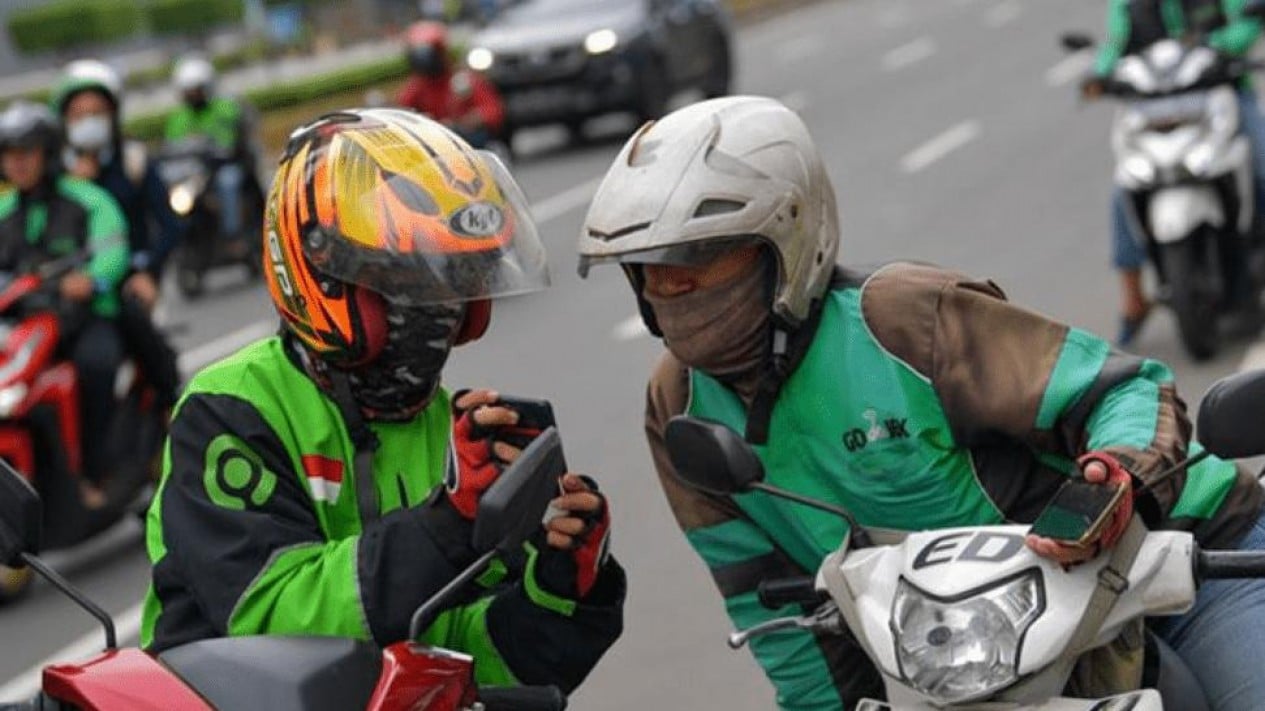
Jakarta, VIVA – The Draft Law on Labour Protection currently being discussed by Commission IX of the House of Representatives (DPR) has received a response from several online motorcycle taxi (ojol) driver communities.
Many of these driver communities reject the proposed employee status, requesting that the government maintain the existing partnership model, which provides flexibility and open access to work.
One such aspiration comes from the Indonesian Volunteer Deaf Ojol Community (Kotri), which represents more than 1,300 drivers with disabilities in the Greater Jakarta area, as well as hundreds of drivers in other regions.
During an audience with Commission IX of the DPR RI alongside the Online Taxi Brotherhood Communication Forum, the Chairperson of Kotri, Fika Chasasmeta, expressed concerns that the discourse regarding ojol status as employees could actually narrow job opportunities for persons with disabilities.
“(Drivers with disabilities) want to remain as partners. Their fear is that if they must become employees, they will be restricted and cut off,” Fika stated in a briefing on Wednesday, 30 September 2026.
These restrictions refer to Law Number 8 of 2016 concerning Persons with Disabilities, which stipulates that persons with disabilities can become employees in government agencies, State-Owned Enterprises (BUMN/BUMD), and private companies with a minimum quota of 1-2 per cent.
According to Fika, persons with disabilities who do not secure employment opportunities in companies can currently seek income by becoming online taxi drivers. However, Fika fears that if ojol drivers are formalised as employees, the opportunity for persons with enough skill to work without strict recruitment requirements will vanish.
In addition to work access, flexibility is also a key issue highlighted by the URC Bergerak ojol community. Representing URC Bergeruk, Roy William emphasised that his group rejects the employee status, which could eliminate the characteristic flexibility of online taxi drivers.
Currently, this flexibility allows online taxi drivers the freedom to determine their own working hours and earn income from more than one platform.
“There are many workers who choose to work as online taxi drivers to supplement their income. If the situation is reversed now, where ojol drivers are no longer allowed to work in more than one place, it would be quite strange,” he said.
Similarly, a representative from the Indonesian Online Taxi Transport Community (Kajol Indonesia), Denis, added the importance of considering the diverse work patterns of drivers. He noted that while some rely on ojol as their primary source of income, others utilise it as supplementary work.