
Maid's Bold Gamble on Shares Using Her Wages Yields Unexpected Results
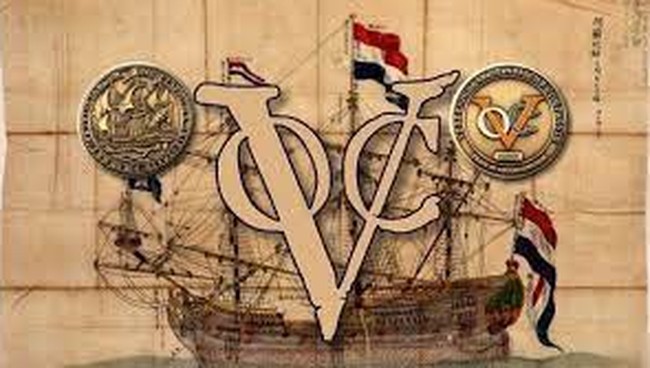
Jakarta, CNBC Indonesia - Share investment is often considered only for the wealthy. However, the story of a domestic servant named Neeltgen Cornelis proves that the courage to seize opportunities can come from anyone, even those with very small incomes.
Neeltgen’s interest in investing in the VOC began with her employer, Dirck van Os, who happened to be a director of the Vereenigde Oost-Indische Compagnie (VOC) in 1602, during the period when the Netherlands controlled Indonesia.
At that time, the VOC made a public share offering in one of the world’s first IPOs. There were no social status restrictions for prospective investors. Anyone was allowed to buy shares, including ordinary workers like Neeltgen.
Neeltgen boldly used all her savings to buy shares in the giant trading company VOC in 1602. That brave decision made her name recorded as one of the first retail investors in the history of the world’s capital markets.
From the bottom of her heart, she actually wanted to invest in the VOC. She believed the VOC would yield great profits. However, on the other hand, she was also confused: where would the money come from?
As a maid, her daily wage was less than fifty cents. That amount of money was only enough to meet daily needs. As a result, she wavered about investing from day to day.
Until finally, at the end of August when the VOC’s initial share offering was about to close, she changed her mind.
"She thought she would always regret it if she did not invest now. As a result, she took a deep breath and took out her savings," wrote Petram.
From the savings of her hard work as a domestic helper, she set aside 100 guilders to buy VOC shares. She then handed the money over to her employer.
The name Neeltgen Cornelis was thus recorded as a holder of VOC shares, albeit a very small stake compared to others. At that time, VOC bosses put in large sums of money. Some invested 85,000 guilders, 65,000, or even 45,000 guilders.
So, did Neeltgen profit from buying VOC shares?
According to Petram, yes, but only briefly because Neeltgen sold her VOC share ownership in October 1603, a year after making the purchase. She sold all her shares to Jacques de Pourcq.
In fact, if she had held on continuously, the 100 guilders could have turned into thousands of guilders. Or at the very least, according to Petram, VOC shareholders could receive spices at any time as a form of dividend.
This is considering that in the years following the IPO, the VOC proved to be the largest company in the world thanks to its success in selling and controlling spices from the Indonesian archipelago.