
Magyar Against Moscow: Hungary Moves Further Away from Russia
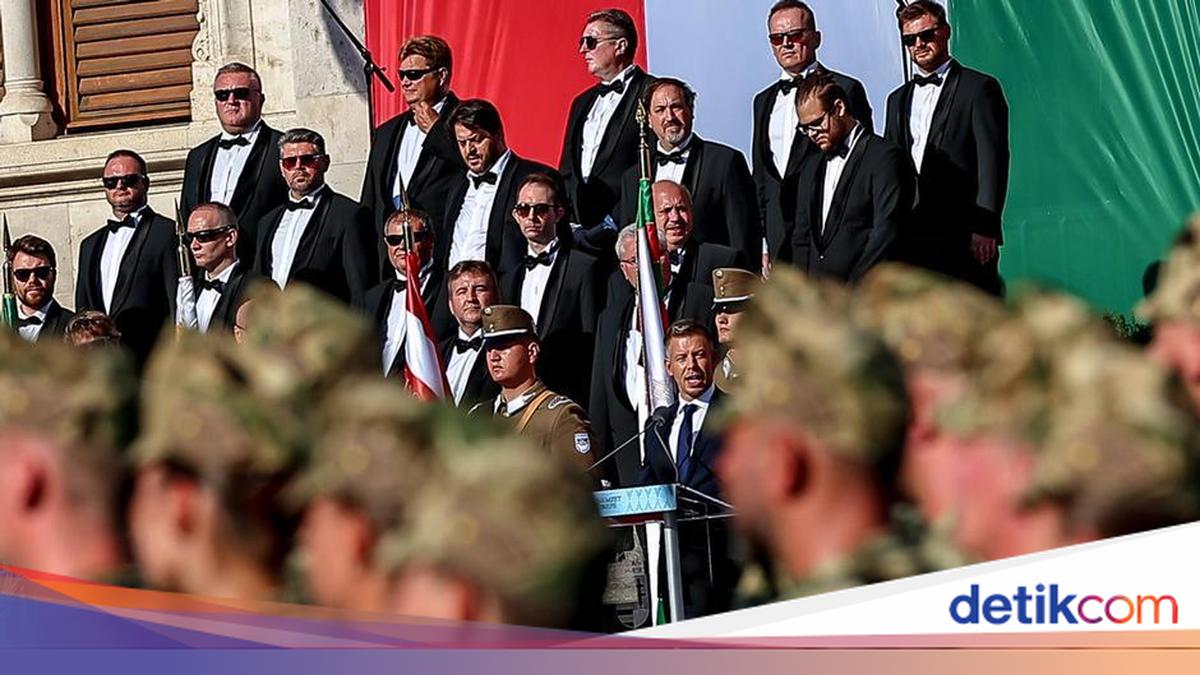
In the era of Viktor Orban’s rule, no European Union nation was more pro-Russian than Hungary. The figure, who lost the election after governing for almost 20 years, was even dubbed ‘Putin’s lapdog’ or ‘Kremlin agent’ due to his closeness to the Russian dictator.
For years, Hungary was considered a security risk within the EU and NATO, with Russian spies operating freely within the country. In the spring of 2026, it was revealed that former Foreign Minister Peter Szijjarto had personally leaked confidential information from EU meetings to Russian Foreign Minister Sergei Lavrov.
All of this changed when the new government under Peter Magyar took power in early May 2026. Unlike Orban, the new Prime Minister has repeatedly and strongly condemned Russian aggression against Ukraine. Recently, the Hungarian government even declared Russia a threat to national security.
Now, the new government has taken its most drastic step against Moscow to date. This week, the Hungarian Ministry of Foreign Affairs expelled 10 Russian diplomats deemed to have violated the Vienna Convention on Diplomatic Relations.
The Ministry in Budapest did not provide further details in its Facebook post. However, in diplomatic circles, the terminology used usually implies that those involved were spies. The government emphasised that the decision was made to protect Hungary’s security and sovereignty.
Nevertheless, this move does not mean severing diplomatic ties with Russia. Hungary still wishes to ‘maintain the necessary dialogue, mutual respect, and adherence to rules,’ wrote the Ministry of Foreign Affairs.
Returning to the Alliance
The statement from Hungarian Foreign Minister Anita Orban was brief, yet headlines and commentary emerged immediately. For the first time, the new Hungarian government has demonstrated a significant shift in Russian policy. This move also serves as one of the harshest diplomatic sanctions against Moscow since the change in the political system in 1989/90.
Intelligence expert Peter Tarjani told the portal Index that this issue is ‘not a diplomatic conflict, but a serious intelligence matter.’ With this step, he noted, Hungary is also returning to the ‘mainstream security policy’ of its allies.
Andras Racz, a prominent political scientist and Russia expert from Hungary and deputy director of the Hungarian Institute of Foreign Affairs (MKI), told the state news agency MTI that Hungary was the only EU and NATO member that had not carried out such expulsions in recent years. This step, according to Racz, ‘should have been done four and a half years ago.’ Now, ‘Hungary is paying its old debt to its allies.’
Closeness to Russia
Under Viktor Orban, Hungary was the only EU country that never explicitly condemned Russia’s full-scale war against Ukraine. In the final two years of his power, Orban even repeatedly blamed Ukraine and the West for provoking Russian aggression.
However, pro-Russian policies were adopted by Orban much earlier, since his return to power in 2010. He argued that Hungary was heavily dependent on Russian energy supplies for economic progress. The claim that Russian gas was more profitable has long been debunked.
Furthermore, the construction and expansion of the Paks nuclear power plant with Russian assistance will burden the national finances for decades. Without any real benefit, Orban’s closeness to Russia remained a mystery to many in Europe.
Ironically, for Hungary, closeness to Russia often created threats to national security. Orban continued to accuse his critics of violating Hungarian sovereignty. Until 2016, for example, Russian intelligence officers were able to participate in paramilitary training within extreme right-wing Hungarian groups without interference.
Since 2012, Russian intelligence agencies also stole large amounts of data from the Ministry of Foreign Affairs and other Hungarian government institutions for years without any open protest from the government.
In 2019, Russia was even permitted to move the headquarters of the International Investment Bank (IIB), known as the ‘spy bank’, to Budapest. The bank was only moved back in 2023 after the United States imposed sanctions. Overall, investigative journalist Szabolcs Panyi has repeatedly warned that Hungary had become a ‘logistics hub and operational base for Russian intelligence agencies,’ endangering the entire region.
Rejection by many Hungarian citizens
Orban’s highly pro-Russian policy eventually triggered growing rejection among Hungarian citizens. Peter Magyar’s clearly pro-European and pro-Western stance was a key factor in the victory of his party, Tisza (Honour and Freedom). During the spring 2026 campaign, European flags were frequently seen in various protests, and spontaneous cries of ‘Russia, go home!’ were heard.
Unlike the former Prime Minister Orban, Magyar and the leaders of the Tisza Party believe Hungary’s place is solely in Europe. Relations with Russia, according to them, should be maintained pragmatically and at a limited level. However, many observers and experts were surprised by how radical the Magyar government’s distancing from Russia has become.
Former deputy head of the Information Office (IH), Hungary’s foreign intelligence agency, Andras Telkes, wrote in the newspaper Nepszava that the expulsion of these diplomats suggests the presence of Russian intelligence in Hungary is ‘very deep.’ According to him, the country faces a serious problem.
For Telkes, expelling 10 diplomats helps restore the trust of NATO member state intelligence agencies in Hungary. However, he also noted: ‘Expelling two or three people would be a signal. Expelling 10 people means war.’ This step, he said, marks a significant turning point.
Source: jawawa.id (https://jawawa.id/newsitem/magyar-against-moscow-hungary-moves-further-away-from-russia-1789221386)
Originally published by detikcom (https://news.detik.com/dw/d-8659773/magyar-kontra-moskow-hungaria-semakin-menjauh-dari-rusia), translated from Indonesian