
Magnifica Humanitas: Reflections on Inflation Control in the Digital Age
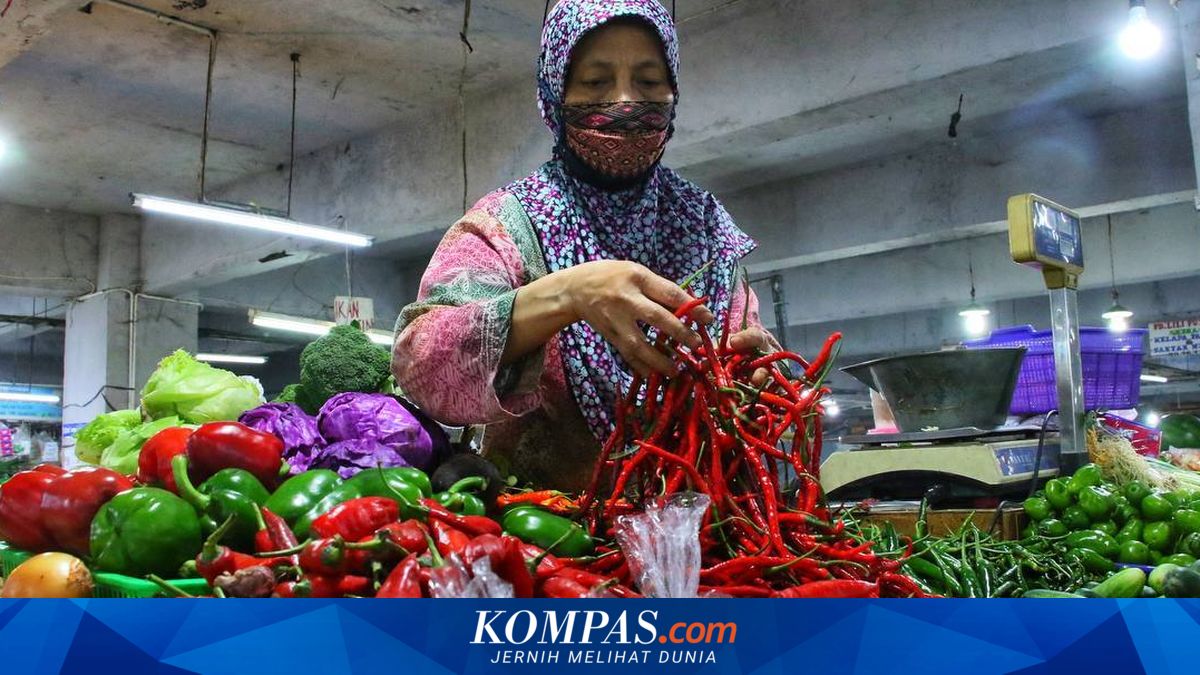
Every time one steps into a traditional market or opens a shopping app, a fundamental question arises: why do prices of essential goods keep fluctuating dynamically? For the general public, the rise and fall of prices for chillies, rice, or cooking oil are daily household concerns. For policymakers, this situation is meticulously measured through the Consumer Price Index (CPI) or inflation rates. Amid global uncertainties, Indonesia has successfully maintained inflation within the target range of 2.5% ±1 percentage point. Moreover, managing a nation’s economy is not merely about hitting numerical targets but safeguarding purchasing power at the grassroots level. Domestic economic stability is currently being tested by rising political tensions and international conflicts. The expanding Middle East conflict since the start of the year has disrupted global trade. A World Economic Forum (WEF) survey in late May 2026 revealed a surge in concerns over commodity price hikes accompanied by economic stagnation (stagflation) across multiple countries. For Indonesia, these uncertainties manifest partly through imported inflation—rising prices of imported goods. In this context, price stability policies require strategic measures that demand national resilience, innovative independence, and a strong moral compass. Amid global risks, the world recently turned its attention to Magnifica Humanitas, a moral guideline published by Pope Leo XIV. The document’s primary focus is safeguarding human dignity from social risks posed by the rapid advancement of Artificial Intelligence (AI). For Indonesians guided by Pancasila philosophy, this document offers a clear and aligned framework to balance digital technological progress with social considerations. In the context of inflation control, these values are relevant to national strategies through the 4K framework: Supply Availability, Price Affordability, Distribution Efficiency, and Effective Communication.