
Magnesium-Carbon Dioxide Battery: A Clean Energy Solution for the Future
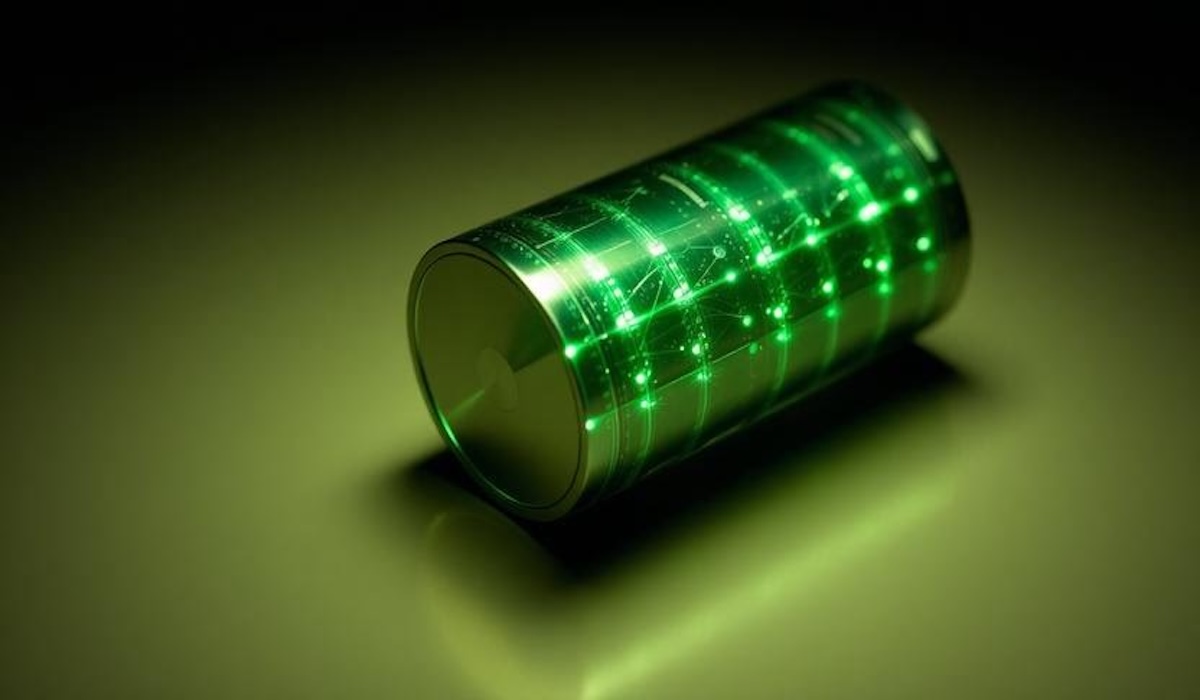
A joint research team from Peking University, Nankai University, Harbin Institute of Technology, and City University of Hong Kong has introduced a rechargeable magnesium-carbon dioxide (Mg-CO₂) battery. The technology is designed to store energy while utilising carbon dioxide emissions as an active component in power generation.
Unlike conventional lithium-ion batteries, the system works by oxidising magnesium at the anode during discharge. The released electrons react with CO₂ at the cathode to form solid compounds such as magnesium carbonate or oxalate. This process effectively binds carbon in a stable form while generating electricity.
Magnesium was chosen due to its abundance in the Earth’s crust compared to lithium, potentially significantly reducing production costs. Additionally, magnesium has a high theoretical capacity as it can donate two electrons per atom and is less prone to fire risks from dendrite growth.
Despite its promise, the technology faces challenges with the stability of magnesium carbonate, which is difficult to decompose during charging. To address this, scientists have modified the cathode structure with micro-defects and adjusted the electrolyte composition to steer the reaction towards forming more easily decomposable oxalate.
The innovation is projected to be an ideal solution for large-scale energy storage, such as in solar and wind power plants. By integrating carbon capture into energy storage systems, the Mg-CO₂ battery offers a new pathway towards industrial decarbonisation and more efficient renewable energy utilisation.
Development is ongoing to enhance the battery’s lifespan for future commercial implementation in stationary energy storage systems. (Z-10)