
Lyrics of "Rayuan Pulau Kelapa", history and meaning of Ismail Marzuki's song
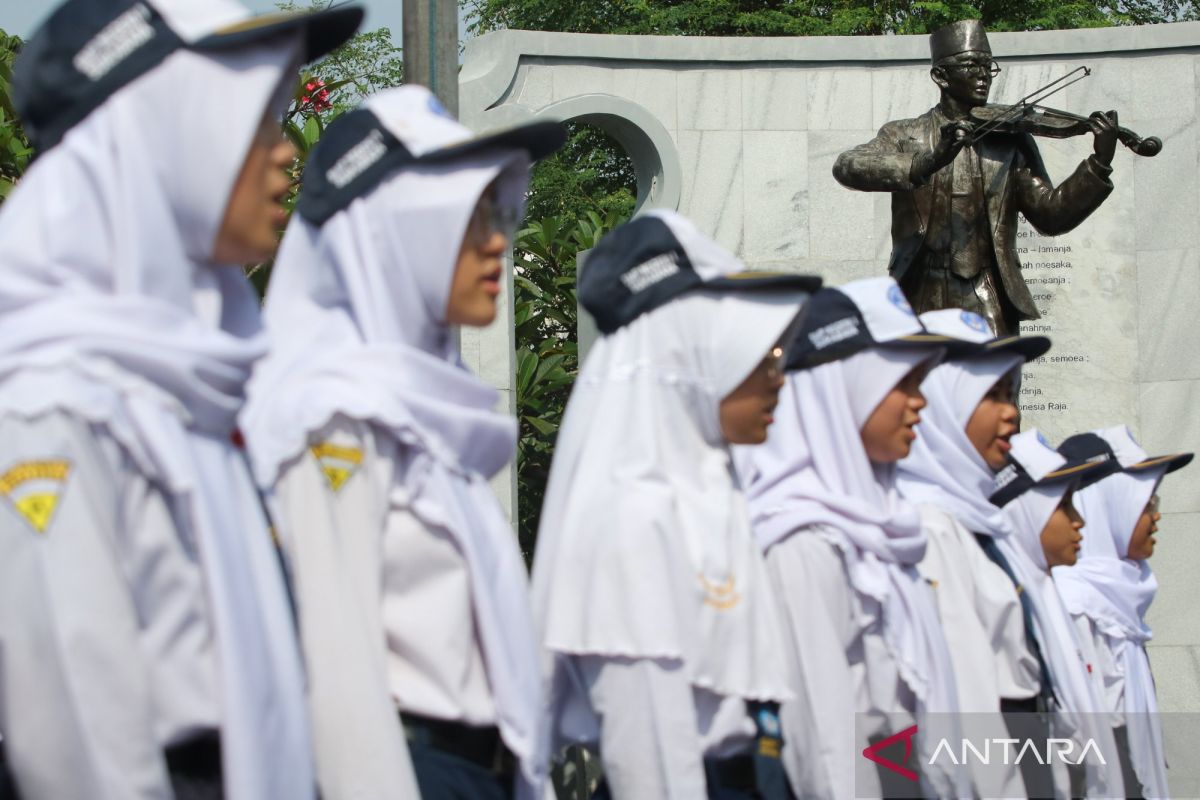
The song “Rayuan Pulau Kelapa” is one of the national works that depicts the natural beauty and love for the Indonesian homeland. The song, composed by Ismail Marzuki, is widely known as a work that portrays the richness of the archipelago.
“Rayuan Pulau Kelapa” was composed by Ismail Marzuki in 1944, when Indonesia was still under Japanese occupation. The song later developed into one of the works closely associated with the spirit of nationalism.
The lyrics of “Rayuan Pulau Kelapa” describe the beauty of Indonesia through images of the homeland, islands, beaches, and coconut trees. The lyrics are as follows:
Negeri Elok Amat Ku Cinta
Tanah Tumpah Darahku nan Mulia
Yang Ku Puja Sepanjang Masa
Tanah Airku Aman dan Makmur
Pulau Kelapa Yang Amat Subur
Pulau Melati Pujaan Bangsa
Sejak Dulu Kala
Melambai Lambai
Nyiur Di Pantai
Berbisik Bisik
Raja Kelana
Memuja Pulau
Nan Indah Permai
Tanah Airku Indonesia
“Rayuan Pulau Kelapa” was composed by Ismail Marzuki in 1944. Some records state that the song was written in October 1944, while other sources note the date of 15 November 1944 on the score of the work.
The song was born when Indonesia was still under Japanese occupation. Although the lyrics largely describe natural beauty, the work also carries a message of love for the homeland and the spirit of nationalism.
The coconut tree is one of the main images in the song. The presence of coconut trees spread across various regions of Indonesia became a symbol of the natural beauty of the archipelago that Ismail Marzuki expressed through music.
“Rayuan Pulau Kelapa” has had a long journey since its creation. The song later became widely known and became one of the works representing Indonesia abroad.
The song was also taken on a cultural diplomacy mission to the Soviet Union in 1956. Afterwards, an arrangement by Soviet composer Vitaly Geviksman and a Russian-language version sung by Maya Golovnya helped make the song known in that country.
In Indonesia, “Rayuan Pulau Kelapa” also became the closing song for television broadcasts during the New Order era. The song had previously been played on the radio and became one of the works familiar to the public.
Ismail Marzuki was one of Indonesia’s great composers. He was born in Kwitang, Jakarta, on 11 May 1914 and began working in music from a young age.
Throughout his career, Ismail Marzuki produced many musical works. Cultural award documents record that from 1931 to 1948, he composed around 193 songs, with a number of works becoming an important part of Indonesia’s struggle music.
Besides “Rayuan Pulau Kelapa”, several of Ismail Marzuki’s works that remain known today include “Gugur Bunga”, “Indonesia Pusaka”, “Halo-Halo Bandung”, “Sepasang Mata Bola”, and “Selendang Sutera”.
Ismail Marzuki died on 25 May 1958 in Jakarta at the age of 44. He was later awarded the title of National Hero for his services in the field of culture and struggle through music.
“Rayuan Pulau Kelapa” has a primary meaning of love for the homeland and admiration for Indonesia’s natural beauty.
The depiction of islands, beaches, flora, and coconut trees was Ismail Marzuki’s way of showing the richness and beauty of the archipelago. This depiction also shows pride in Indonesia as the homeland.
Because of this message, “Rayuan Pulau Kelapa” remains known as one of Indonesia’s national songs. The song not only invites the public to admire the beauty of the archipelago, but also reminds them of the importance of loving and protecting the homeland.
Source: jawawa.id (https://jawawa.id/newsitem/lyrics-of-rayuan-pulau-kelapa-history-and-meaning-of-ismail-marzukis-song-1786776817)
Originally published by Antara (Indonesian) (https://www.antaranews.com/berita/5695921/lirik-rayuan-pulau-kelapa-sejarah-dan-makna-lagu-ismail-marzuki), translated from Indonesian