
Lyrics of "Halo-Halo Bandung" and the history of its creation
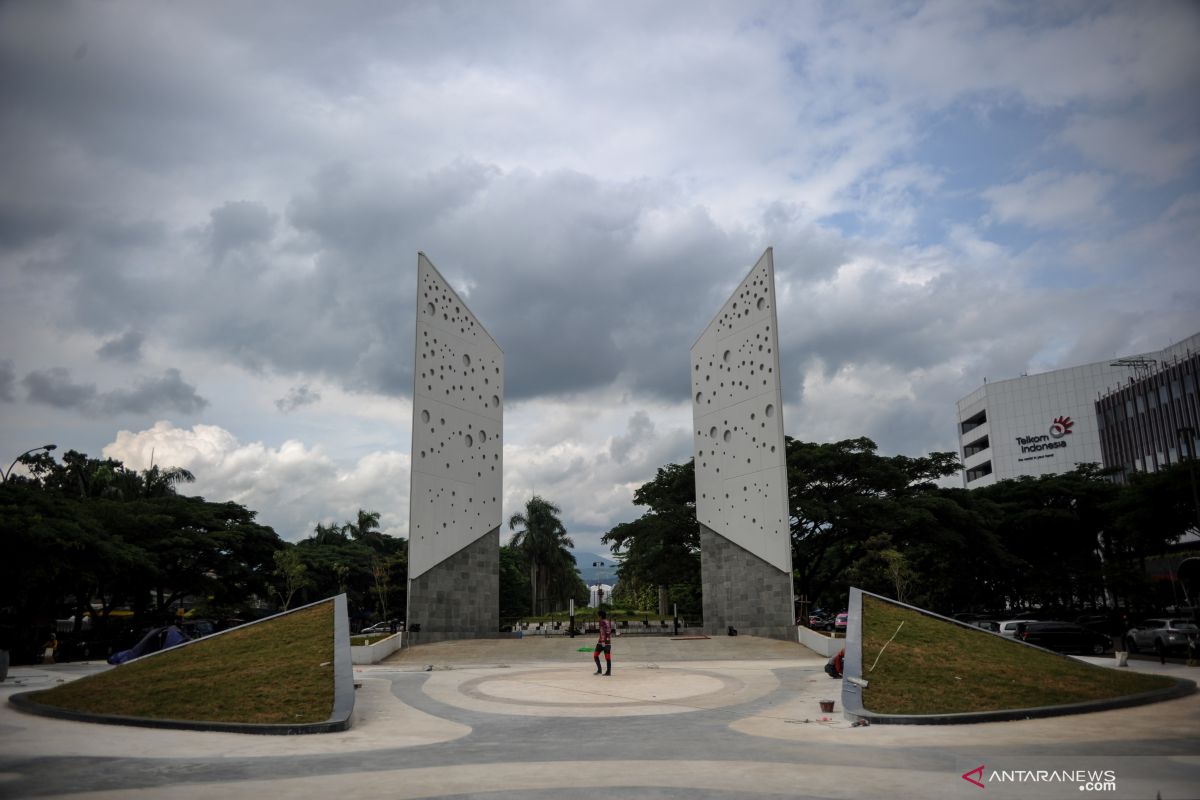
The song “Halo-Halo Bandung” is one of the struggle songs closely associated with the history of the Indonesian people’s fight for independence. The work of Ismail Marzuki depicts the spirit of the people of Bandung in facing the post-independence struggle.
The song “Halo-Halo Bandung” is known to be connected to the Bandung Sea of Fire incident in 1946. Over time, the song, which originally had a tone of longing for the city of Bandung, transformed into a patriotic anthem.
The lyrics of “Halo-Halo Bandung” express both a longing for the city of Bandung and the spirit to reclaim it. A excerpt of the lyrics reads:
Halo-halo Bandung
Ibu kota periangan
Halo-halo Bandung
Kota kenang-kenangan
Sudah lama beta
Tidak berjumpa dengan kau
Sekarang sudah menjadi lautan api
Mari Bung rebut kembali
“Halo-Halo Bandung” was composed by Ismail Marzuki in 1946, during the period of struggle after Indonesia’s independence. The song later developed into one of the works that embodies the fighting spirit of the people of Bandung.
Initially, Ismail Marzuki wrote the song with the opening line “Halo, halo Bandung” to express his longing for the city of Bandung. However, the post-independence struggle influenced the song’s development. The Bandung Sea of Fire incident became one of the backgrounds that gave the song a more patriotic tone. The tempo was also made faster, further strengthening the depiction of the people’s fighting spirit.
The Bandung Sea of Fire was an incident in which the people and fighters of Indonesia burned down parts of Bandung in March 1946 before leaving the city. The event took place on 23-24 March 1946. The scorched-earth action was carried out in the context of the struggle to defend independence and became one of the important events in the history of the people of Bandung. This fighting spirit is reflected in the final part of the song “Halo-Halo Bandung”, which calls for the recapture of the city that had been abandoned.
Ismail Marzuki was one of Indonesia’s great composers. He was born in Batavia on 11 May 1914 and began actively working in music from a young age. Throughout his career, Ismail Marzuki produced hundreds of musical works on various themes. Among his well-known works are “Rayuan Pulau Kelapa”, “Gugur Bunga”, “Indonesia Pusaka”, “Sepasang Mata Bola”, and “Halo-Halo Bandung”. During the struggle, Ismail Marzuki used music as a form of resistance in his capacity as an artist. His works often depict love for the homeland and the spirit of defending independence.
Ismail Marzuki died on 25 May 1958 at the age of 44. He was posthumously awarded the title of National Hero in 2004 for his services to the struggle and cultural development of Indonesia.
“Halo-Halo Bandung” carries the meaning of love for one’s region and homeland, as well as the spirit of struggle to defend independence. The use of the phrase “sea of fire” describes the condition of Bandung after the scorched-earth action during the struggle. Meanwhile, the call to recapture Bandung demonstrates the people’s determination to defend Indonesian territory from foreign forces. Because of its strong connection to the history of the independence struggle, “Halo-Halo Bandung” remains known to this day as one of Indonesia’s struggle songs and is often sung at various national events.
Source: jawawa.id (https://jawawa.id/newsitem/lyrics-of-halo-halo-bandung-and-the-history-of-its-creation-1786776797)
Originally published by Antara (Indonesian) (https://www.antaranews.com/berita/5695896/lirik-lagu-halo-halo-bandung-dan-sejarah-terciptanya), translated from Indonesian