
Luxury-Loving Sultan's Palace Attacked by Locals in North Sumatra
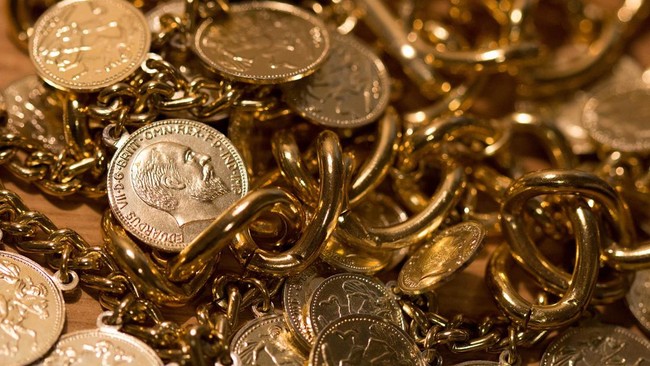
The luxurious lifestyle of one of Indonesia’s wealthiest families ended in tragedy. In 1946, the home of Sultan Mahmud of the Langkat Sultanate, one of the richest sultanates in Indonesia, was stormed by locals and his family’s possessions were looted during the East Sumatra Social Revolution.
Darussalam Palace, the residence of Sultan Mahmud (1927–1946), became a target of the masses. The building was left in ruins, while several members of the nobility were arrested and subjected to various forms of violence.
The extravagance of Sultan Mahmud’s family was not without reason. The Langkat Sultanate possessed abundant sources of wealth, particularly after petroleum was discovered at Telaga Said, Pangkalan Brandan, during the era of Mahmud’s grandfather, Sultan Musa (1840–1893).
According to the book Sejarah Pertumbuhan Pemerintahan Kesultanan Langkat, Deli, dan Serdang (1986), Langkat’s wealth grew even larger after the Dutch oil company Royal Dutch Petroleum arrived to conduct exploration and develop Pangkalan Brandan as one of the largest oil processing areas in Sumatra.
From these mining activities, the Langkat Sultanate earned substantial income. It was recorded that the Sultan of Langkat received around US$3,000 per year. In addition, Langkat’s wealth also came from tobacco plantations and timber from the forests. The large income allowed the Sultan’s family and the nobility to enjoy a life of luxury.
In the study “Gaya Hidup Bangsawan Langkat” (2023), during the era of Sultan Aziz (1897–1927), for example, Langkat built a magnificent palace and purchased a tanker ship. The sultanate family’s lifestyle also became increasingly modern, following the lifestyle of the Dutch, from clothing and culture to food.
This luxury became even more apparent during the time of Sultan Mahmud. He was said to own 13 limousines and two yachts.
Historian Anthony Reid, in The Blood of the People: Revolution and the End of Traditional Rule in Northern Sumatra (1979), revealed that Sultan Mahmud of Langkat was the wealthiest sultan of all the sultanates and kingdoms in East Sumatra.
In 1931, his personal income from oil royalties reached 472,094 guilders, far above the Sultans of Deli and Serdang, whose incomes were only a third of that amount.
However, this luxury also widened the gap between the sultanate family and the people, the majority of whom lived in hardship. This became a ticking time bomb when Indonesia entered the revolutionary period after independence. Social inequality and anti-sultanate sentiment became one of the sparks of conflict.
The 1946 Social Revolution ultimately brought that glory to an end. The wealth that had once been a symbol of prosperity was instead looted. Not long afterwards, Sultan Mahmud died in 1948.
The glory of the Langkat Sultanate as one of the richest sultanates in the archipelago gradually came to an end.