
Luwu Regency Government Plants Dwarf Sugar Palms for Business and Reforestation
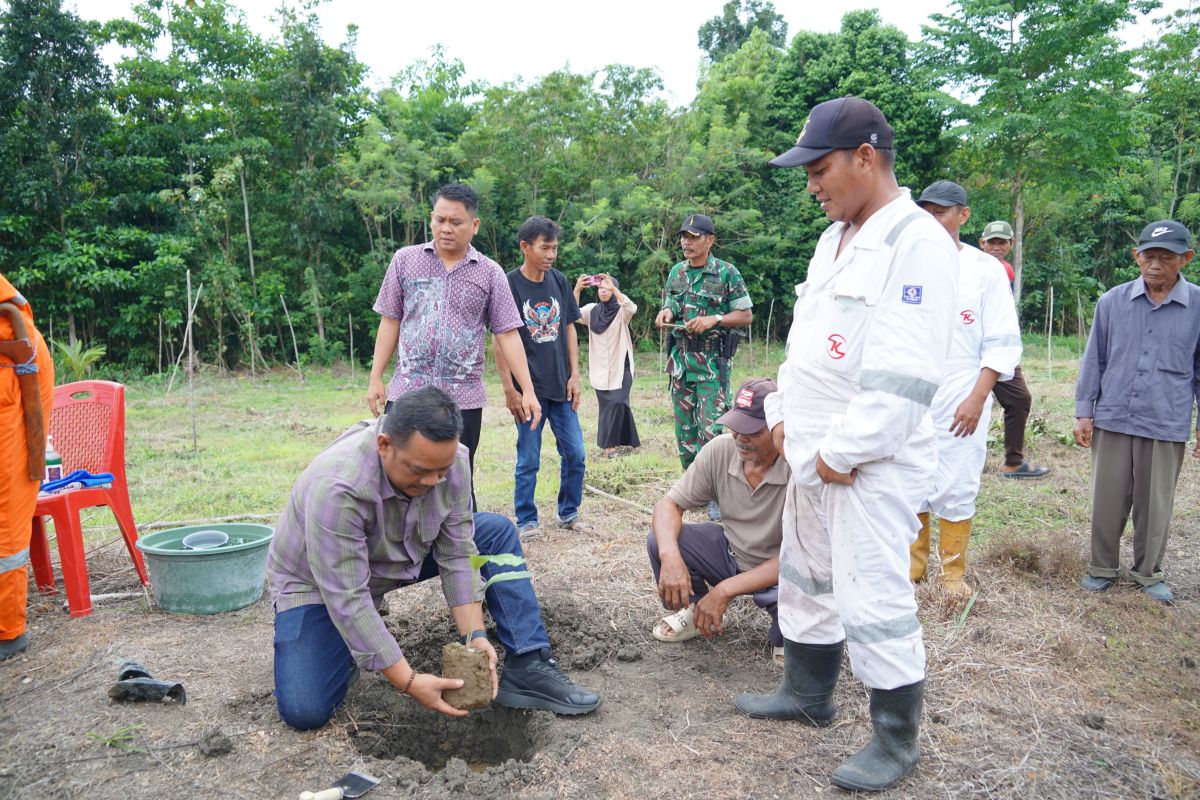
Makassar (ANTARA) - Luwu Regent Patahudding has conducted the inaugural planting of dwarf sugar palm trees in Pandoso Hamlet, marking the start of a programme to develop a plantation commodity with high economic value while supporting reforestation efforts. “This is a very good step. The sugar palm is a forest plant recommended for reforestation and also has high economic value,” Regent Patahudding stated on Thursday. The activity marked the commencement of planting approximately 2,400 dwarf sugar palm seedlings on six hectares of land owned by Kapten Islamuddin. The seedlings, originating from Medan, were cultivated independently at the location. “Hopefully this cultivation will continue to grow and not be limited to Tallang Bulawang Village,” he said. He also encouraged village heads to form forest farmer groups to access support through Corporate Social Responsibility (CSR) programmes, particularly for procuring seedlings. According to him, developing dwarf sugar palms can be an alternative for improving community welfare because almost all parts of the plant have economic value. Landowner Kapten Islamuddin explained that the dwarf sugar palm is a highly potential variety to develop because it is relatively easy to maintain and produces faster, around five to six years after planting, whereas regular sugar palms can take up to 10 years. He added that the sugar palm (Arenga pinnata) is an endemic Indonesian plant with high economic value. Besides producing sap as raw material for block sugar, granulated sugar, or liquid sugar, other parts such as the roots, trunk, bark, fruit, and leaf midribs can also be utilised. This dwarf variety has a short stature of around 2.5 to 4 metres, making maintenance and sap tapping easier, with each flower bunch capable of producing 12 to 15 litres of sap per day. From an ecological perspective, planting dwarf sugar palms also aids nature conservation because their strong fibrous roots are very effective at preventing erosion and maintaining groundwater reserves.