
Luhut Proposes to Prabowo That State Losses Should Not Constitute Corruption
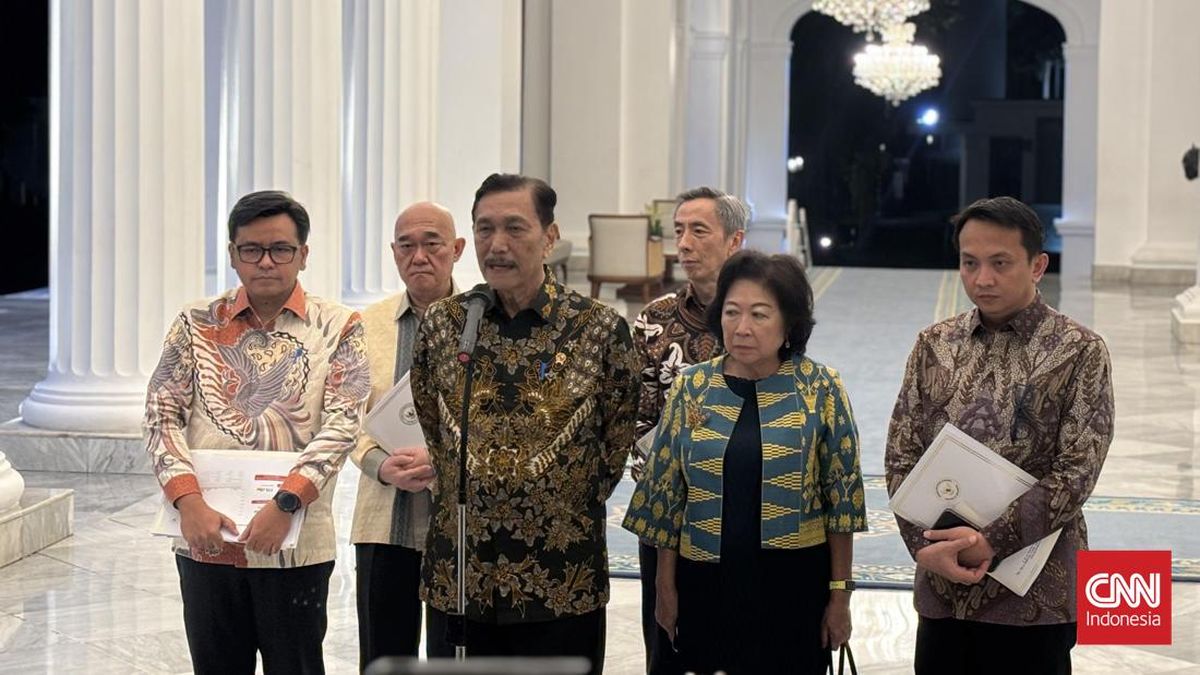
National Economic Council (DEN) chairman Luhut Binsar Pandjaitan said President Prabowo Subianto had approved a DEN study stating that corruption should be limited to practices such as bribery and should not include state financial losses as an element.
He said the study was based on the United Nations Convention Against Corruption (UNCAC), which Indonesia ratified through Law No. 7/2006.
“The President also agrees with the study conducted by the National Economic Council team on the definition of corruption, because it is important for handling corruption in Indonesia to meet international standards,” Luhut said at Merdeka Palace in Jakarta on Tuesday (20 October).
Luhut said Indonesia was the only country to include state financial losses in its definition of corruption. In his view, applying state losses as an element of a corruption offence places a burden on the business sector, including BPI Danantara, which oversees Indonesia’s state-owned enterprises. He said every business operation carries its own risks.
“Every kind of business inevitably carries risks. I think this is important,” he stressed.
The categories of corruption under UNCAC, ratified by Indonesia 20 years ago through Law No. 7/2006, include bribery of national public officials; bribery of foreign public officials and officials of public international organisations; embezzlement, misappropriation or other diversion of property by a public official; trading in influence; abuse of office or authority; illicit enrichment; bribery in the private sector; embezzlement of property in the private sector; laundering the proceeds of crime; concealment of the proceeds of crime; and obstruction of justice.
Meanwhile, Law No. 20/2001, the second amendment to Law No. 31/1999 on the Eradication of Corruption, lists at least 30 acts classified as corruption offences. One concerns state financial losses, as set out in Articles 2 and 3.