
Luhut: Downstreaming Benefits Must Be Fairer for Producing Regions
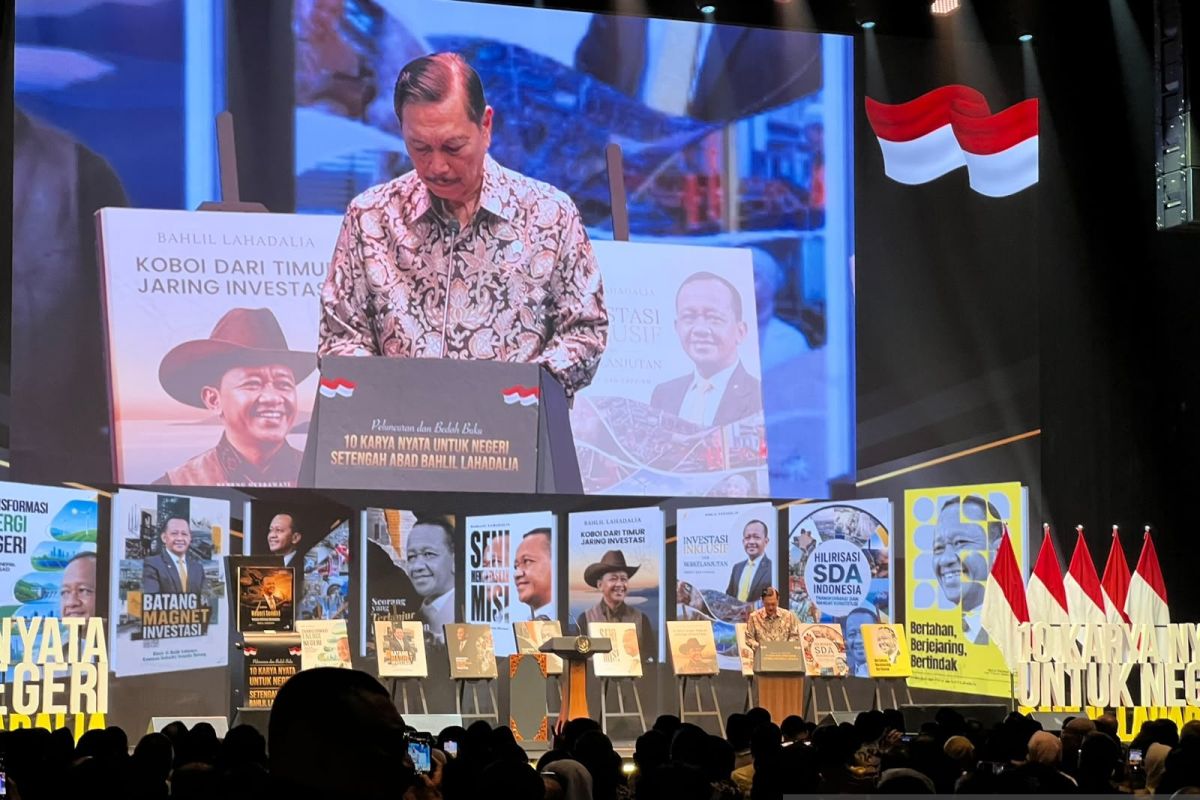
Luhut Binsar Pandjaitan, Chairman of the National Economic Council (DEN), has stated that the benefits of the downstreaming policy must be increasingly felt fairly by producing regions and communities around industrial zones. Although downstreaming has recorded various achievements, he noted there is still homework to be completed, ranging from equitable distribution of economic benefits and enhancing the role of local entrepreneurs to strengthening environmental and occupational safety aspects. “The benefits of downstreaming must be fairer for the regions and communities surrounding the industry. National and regional entrepreneurs must move up the value chain. Technology must be mastered by our own people, and environmental and safety standards are non-negotiable,” Luhut said at the launch of ‘10 Karya Nyata untuk Negeri: Setengah Abad Bahlil Lahadalia’ in Jakarta on Friday. He explained that the global market increasingly demands clean and sustainable supply chains, making the fulfilment of environmental standards no longer an option but a requirement to enhance competitiveness. “The world market is increasingly demanding clean supply. So this is no longer an option, it is a condition for being competitive,” he said. On that occasion, Luhut also touched on the journey of the mineral downstreaming policy which once drew criticism, including when the government banned nickel ore exports and faced a lawsuit at the World Trade Organization (WTO). “I still remember the early days of the nickel ore export ban; we were mocked, pressured from various directions, sued at the WTO, and many said Indonesia would not be able to handle it,” he said. However, the policy has now proven capable of increasing the added value of mineral commodities. This is reflected in the surge in downstream nickel product exports and economic growth in several industrial areas. “The results can be seen in the numbers, not just rhetoric. Exports of nickel products and their derivatives have multiplied. Morowali and Central Halmahera, which were once barely on the national economic map, are now growing at double digits and are part of the global industrial supply chain,” Luhut said. In his speech, Luhut appreciated the 10 books by Minister of Energy and Mineral Resources Bahlil Lahadalia, which he said successfully depict the state of the industry openly, including the various challenges still faced. He said what he had conveyed was well written in the 10 books. “This book is different. Mr Bahlil wrote it himself with very rich data. That the job is not finished, of course. The part about producing regions not being treated fairly, local entrepreneurs still largely being spectators in their own homes. There are environmental issues, there are worker skill issues, and this was written by Mr Bahlil openly,” Luhut said.
Source: jawawa.id (https://jawawa.id/newsitem/luhut-downstreaming-benefits-must-be-fairer-for-producing-regions-1786096645)
Originally published by Antara (Indonesian) (https://www.antaranews.com/berita/5684295/luhut-nilai-manfaat-hilirisasi-harus-lebih-adil-bagi-daerah-penghasil), translated from Indonesian