
Ludruk at the Crossroads of Time
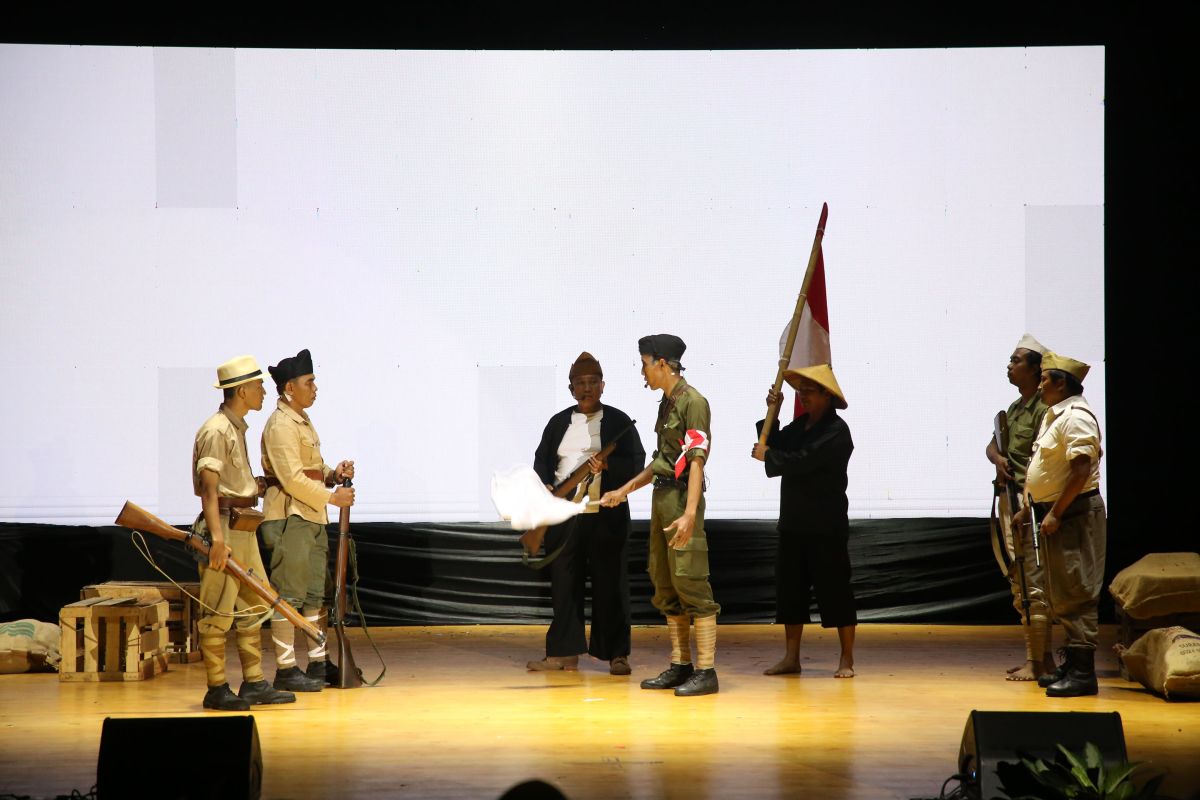
Laughter erupted on a simple stage in a corner of the city. A comedian tossed out a parikan, met with the characteristic witty retorts that drew peals of laughter from the audience. Amid the humour, sharp social critiques were woven in, sometimes poignant, yet always closely tied to daily life.
That is ludruk, a distinctive performing art from East Java born from the people, growing alongside them, and truly speaking for them.
In the city of Surabaya, ludruk is more than mere entertainment. It is a social mirror, a space for expression, and a medium of communication that was once profoundly influential in its time.
Amid the torrent of modernisation and shifting entertainment preferences, ludruk’s existence now stands at a crossroads: between surviving as a heritage or transforming into part of the future.
The question is no longer whether ludruk is still alive, but how far it can adapt without losing its soul.
Romanticism and Reality
History records that ludruk was once the darling of urban society entertainment in Surabaya. From the 1970s to the 1990s, ludruk performances took place almost every night on various stages, including in the People’s Entertainment Park (THR) area.
Plays like “Sarip Tambak Oso” became legends that endure, telling tales of the little people’s resistance in straightforward, grounded language.
Now, the landscape has changed dramatically. Modernisation has brought new forms of entertainment that are faster, more instant, and visual. Television, social media, and digital platforms have shifted consumption patterns. Ludruk, with its long duration and traditional format, is slowly losing its regular stages.