
Lubricant Prices Soar: The Real Culprit Revealed
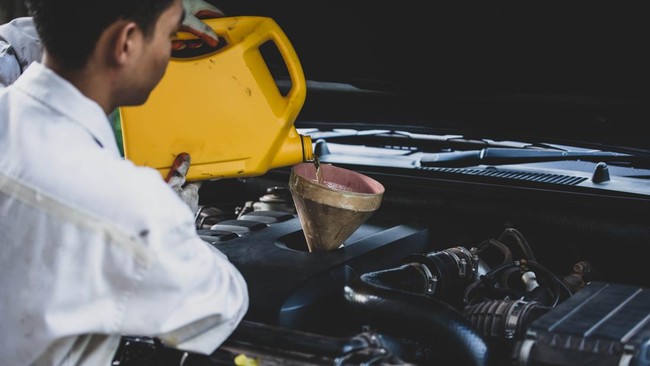
Jakarta, CNBC Indonesia - The recent steep rise in oil prices is putting pressure on national inflation. Data from the Central Statistics Agency (BPS) recorded that lubricant or engine oil experienced inflation of 3.85% in May 2026, contributing 0.01% to the monthly inflation figure. The increase occurred amidst soaring transportation costs, which were also influenced by rising fuel prices. Amidst this scrutiny, Corporate Secretary of Pertamina Lubricants, Rika Gresik Wahyudi, explained that the dynamics of lubricant pricing cannot be separated from global market conditions, particularly regarding the supply and price of the main raw material for lubricants, base oil. “Base oil is the main raw material in lubricant production and, as a derivative of petroleum products, its price and supply conditions are affected by current global geopolitical dynamics. These constraints are certainly one of the factors for adjusting the selling price of lubricant products. As a company that upholds good corporate governance, we continuously conduct analyses and evaluations and maintain the competitiveness of the nation’s own lubricant products,” Rika told CNBC Indonesia, quoted on Friday (5/6/2026). Pressure from global supply is indeed an unavoidable challenge for the lubricant industry. Nevertheless, the company assured that maintaining supply sustainability remains a priority so that domestic market needs can be met. “It cannot be denied that the current global situation affects the supply of raw materials. However, we continue to strive to provide the best service to all business partners by prioritising the quality and availability of our lubricant products,” she said. Rika emphasised that the national lubricant market is currently still very competitive. The many brands and variants circulating give consumers the freedom to choose products according to their vehicle needs as well as their individual spending power. Furthermore, she acknowledged that price increases could potentially influence consumer behaviour, including determining the frequency of oil changes or choosing products in a lower price range. However, Pertamina reminded the public not to neglect vehicle maintenance aspects simply due to cost considerations. “Certainly, the potential for changes in lubricant consumption patterns cannot be avoided. But we urge consumers to always be diligent in maintaining their motor vehicle engines, including carrying out regular servicing, changing oil as recommended, and avoiding the use of counterfeit oil,” said Rika. Previously, the BPS noted that Indonesia’s inflation in May 2026 reached 0.28% month-on-month. The transportation group was one of the main contributors to inflation with an increase of 0.61%. Deputy for Methodology and Statistical Information at BPS, Pudji Ismartini, explained that besides petrol and air transport tariffs, the rise in lubricant prices was a contributing factor driving inflation during that period. Lubricant or engine oil recorded inflation of 3.85%, while vehicle maintenance or servicing fees rose by 0.70%. This condition shows that the cost of motor vehicle ownership is increasingly rising, from refuelling to routine vehicle maintenance needs.