
LRT Jabodebek to Add Peak-Hour Trips Starting 8 June 2026
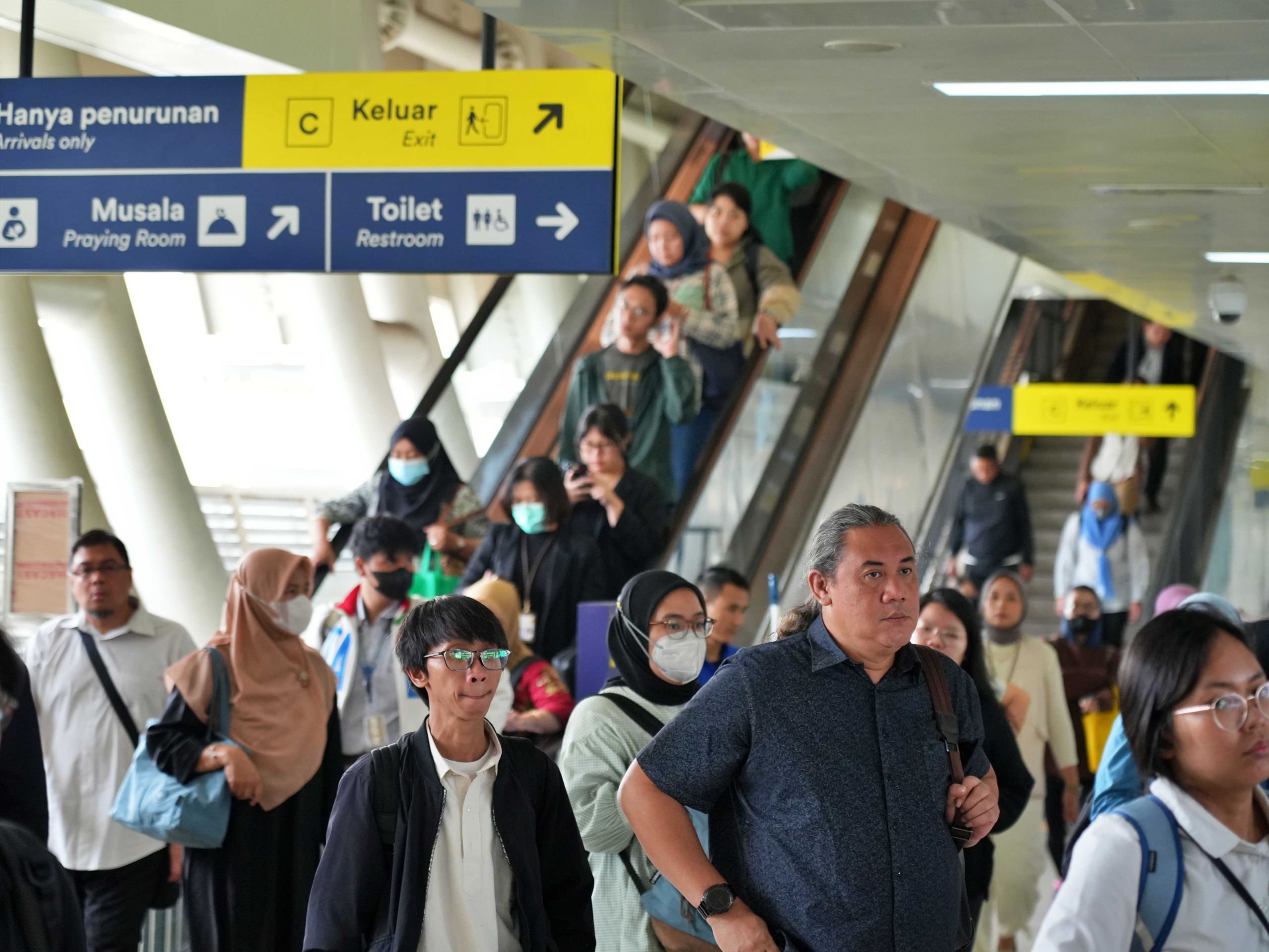
PT Kereta Api Indonesia (Persero) has officially announced a trial for increasing the frequency of LRT Jabodebek trips during morning peak hours. This strategic move is intended to enhance passenger comfort and alleviate the overcrowding that frequently occurs on weekdays.
The trial operation of these additional Special Trains (KLB) is scheduled to take place over five days, commencing from Monday, 8 June 2026, until Friday, 12 June 2026.
To accommodate high passenger mobility towards the city centre, the additional schedules will be implemented on two main routes.
Radhitya Mardika, Manager of Public Relations for LRT Jabodebek, explained that this policy is a response to analyses of passenger movement patterns, which show a significant surge every morning, particularly between 06:00 and 08:00 WIB.
“This trial is a form of our adaptation in responding to the public’s mobility needs. We have observed increasing density, especially at the initial stations heading towards activity centres in Jakarta,” said Radhitya.
Based on operational data, Cikoko Station is a particular focus due to its role as a strategic integration point with the KRL Commuter Line and Transjakarta, which consistently triggers large passenger flows.
During the KLB trial period, regular LRT Jabodebek operations are guaranteed to continue as normal. The addition of these time slots is expected to create a more even distribution of passenger loads, thereby reducing long queues on platforms and overcrowding within the carriages.
KAI has emphasised that a thorough evaluation of the trial results will be conducted. If proven effective, this travel pattern may be made permanent to realise a public transport service that is safer, more comfortable, and more responsive to the dynamics of urban society in the Jabodebek area.