
LRT Jabodebek Introduces Interactive Screens at Seven Stations, Enabling Real-Time Feedback
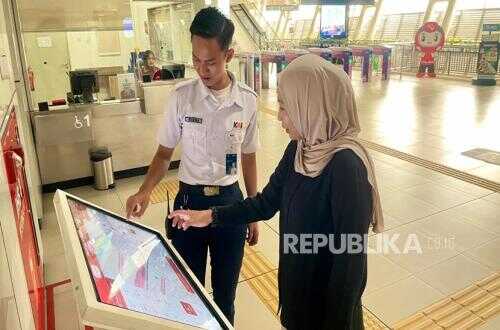
REPUBLIKA.CO.ID, JAKARTA – PT Kereta Api Indonesia (Persero) is introducing a digital-based service innovation through the implementation of Interactive Screens at seven LRT Jabodebek stations. This facility is part of strengthening the technology-based service system to facilitate access to information for users.
The Interactive Screens provide three main features, namely customer satisfaction surveys using a star rating or emoticon method, interactive maps to help find facilities and travel routes, and a digital complaint service that is integrated in real-time.
Manager of Public Relations for LRT Jabodebek, Radhitya Mardika, explained that the presence of this facility is part of a technology-based service transformation that is oriented towards customer needs. According to him, digitalisation is not just about providing devices, but about building an integrated and data-driven service system.
“Digital transformation is not just about providing devices, but about building an integrated and data-driven system. With the Interactive Screens, KAI can monitor service assessments directly, receive complaints in real-time, and ensure more structured follow-up. This is part of the commitment to providing modern, transparent, and responsive public transportation services,” said Radhitya.
He added that the system not only displays maps of facilities within the station, but also maps of the area outside the station, including road access and connectivity with other modes of transportation. Thus, customers can obtain more comprehensive travel information through a single device.
In the complaint feature, each reported issue will be recorded in the system and users will receive a report number as a reference for follow-up. This mechanism is expected to increase transparency and accountability in handling complaints.
To ensure optimal implementation, front-line staff have received special training to support the transition to digital-based services and educate customers on how to use them.
This step is considered part of KAI’s commitment to strengthening technology-based corporate governance and providing public transportation services that are adaptive to the needs of urban communities.
“In the future, the integration of service data will continue to be developed to support an increasingly efficient and technology-based public transportation system,” said Radhitya.