
LPSK Receives Protection Request for Domestic Worker Allegedly Subjected to Violence in South Jakarta
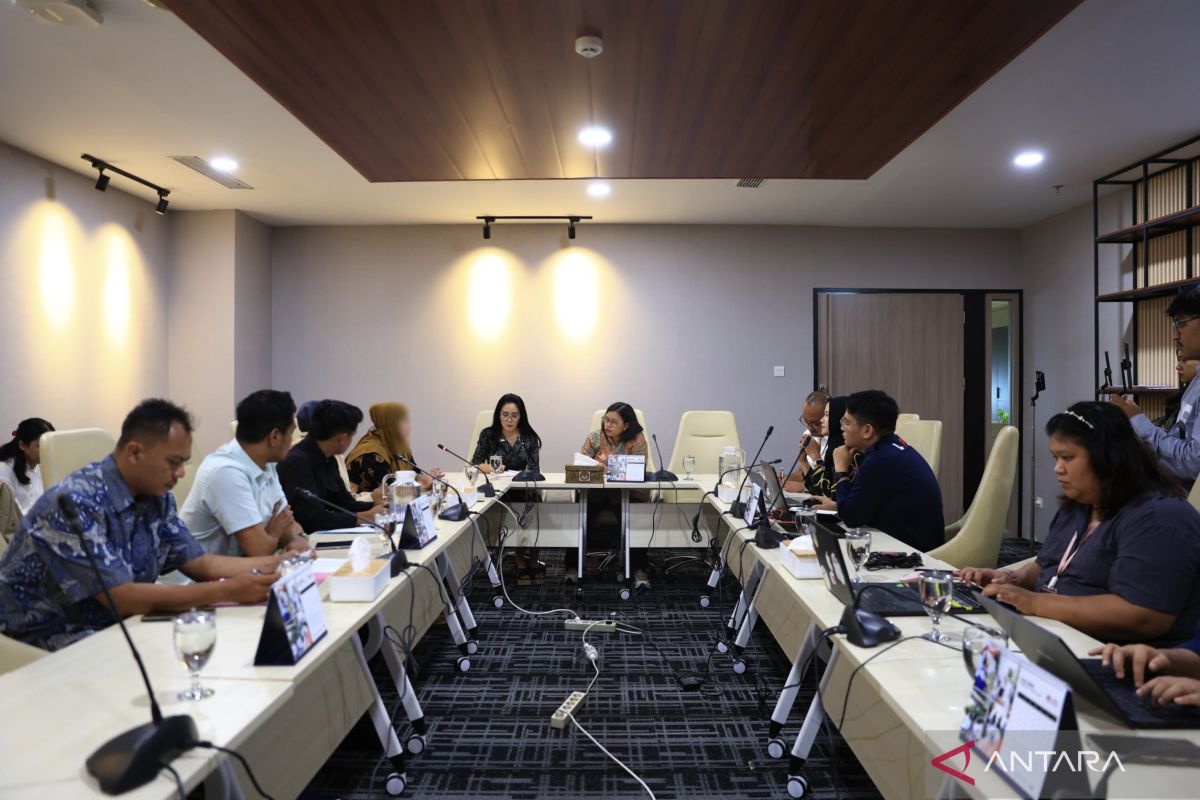
The Witness and Victim Protection Agency (LPSK) has received a protection request from a domestic worker (PRT) in relation to a case of alleged abuse by the employer identified by the initials RWT in the South Jakarta area. Susilaningtias, Deputy Chair of LPSK, said the request covers procedural rights, legal protection, psychological rehabilitation, and restitution. ‘LPSK views ensuring comprehensive protection for victims and witnesses—covering security, legal accompaniment, and psychological recovery—as essential,’ Susilaningtias said in a written statement in Jakarta on Tuesday. He added that the case involves not only alleged violence but also power imbalances between the employer and domestic workers, making victims vulnerable to violence and intimidation. He also stressed that every crime victim has the right to state protection, including domestic workers who are often vulnerable to violence and exploitation. ‘Article 10 of the Witness and Victim Protection Act provides guarantees that witnesses, victims, and complainants who give information in good faith cannot be prosecuted criminally or civilly,’ he said. According to initial information received by LPSK, the victim, referred to as H, began working as a domestic worker at the end of March 2026. During employment, the victim is alleged to have endured verbal abuse, including shouting and humiliation, as well as repeated physical violence. On 28 April 2026, the victim was reportedly struck with the handle of a broom, kicked, choked, and scratched. The victim then sought assistance from a placement foundation to be picked up from the respondent’s house. However, during the evacuation process with police officers, the victim reportedly experienced further violence. After leaving the location, the victim underwent a medical examination and reported the alleged abuse to the South Jakarta Metropolitan Police. ‘As an initial step, LPSK has conducted psychological assessments of the applicants on 17 May 2026. The assessment results show the victim and witnesses experience trauma and require psychological recovery,’ Susilaningtias said. He noted that psychological recovery is an important part of protecting victims because the impact of violence not only causes physical wounds but also affects the victim’s sense of safety and willingness to participate in the legal process. ‘At present, LPSK is coordinating with the South Jakarta Metropolitan Police regarding developments in the handling of the case and the fulfilment of the rights of victims and witnesses during the investigation,’ he added. LPSK also emphasised the importance of applying Article 10 of Law No. 31 of 2014 on the Protection of Witnesses and Victims to guarantee the safety of complainants and witnesses who provide information in good faith. Susilaningtias said the case illustrates the ongoing vulnerability of domestic workers to violence and that the courage of victims to report is crucial in breaking the cycle of violence and ensuring that law enforcement is fair and protective of human rights.