
LPSK Identifies Child Victim Losses in Sexual Exploitation TPPO Case for Restitution Assessment
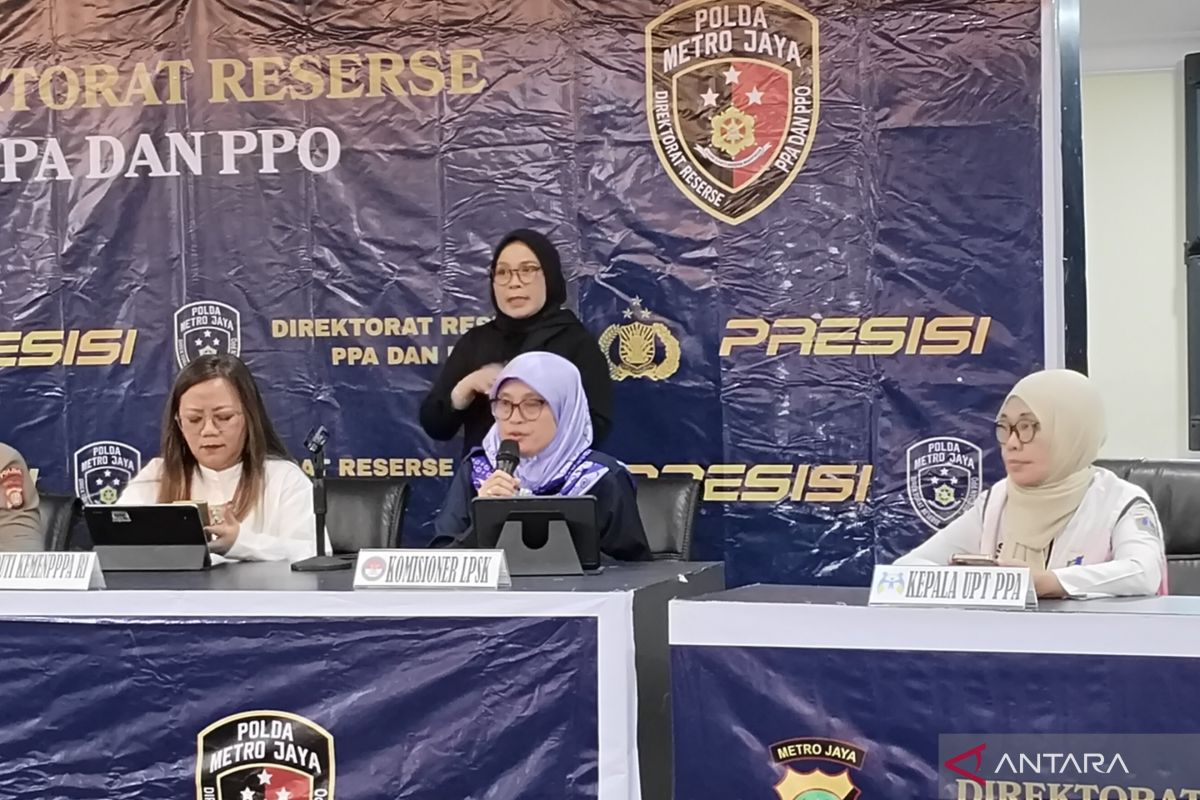
The Witness and Victim Protection Agency (LPSK) is identifying various forms of loss suffered by child victims of the criminal act of human trafficking (TPPO) involving sexual exploitation in Bekasi and West Jakarta to assess restitution or compensation from the perpetrator. LPSK Commissioner Sri Nurherwati explained that this step is crucial given that the crime is exploitative and repetitive; in this particular case, the perpetrator is indicated to have earned profits of up to Rp1.7 billion per year over a three-year period. “LPSK, as the agency tasked with providing protection and fulfilling the rights of witnesses and victims, has been requested to conduct a restitution assessment in this a quo case. We are identifying various forms of loss experienced by the victims,” she said at a press conference in Jakarta on Wednesday. She explained that the identification of losses includes aspects of civil rights and freedoms, including the social stigma the children will face in the future. Furthermore, LPSK is highlighting secondary victimisation and deep psychological suffering, such as trauma, disruption to family relationships, and impaired parenting patterns resulting from the repeated violence. “The long-term impact on these children is very significant. We must materialise the non-material losses in the restitution assessment, as these relate to psychological impacts, the loss of dignity, self-esteem, and their childhood,” she stated. Herwati further detailed losses in the education and social sectors, including the phenomenon of dropping out of school, decreased learning ability, and loss of playtime, which disrupts the children’s emotional development within their social environment. LPSK is also anticipating long-term health impacts commonly suffered by child sexual exploitation victims, such as sexually transmitted infections (STIs) and psychiatric disorders. Regarding the rise of digital-based TPPO cases, Herwati asserted that the agency is exploring the right to be forgotten for victims to address the dissemination of sexual violence content in cyberspace.