
LPSK Awaits Next Steps from Sony Sanjaya
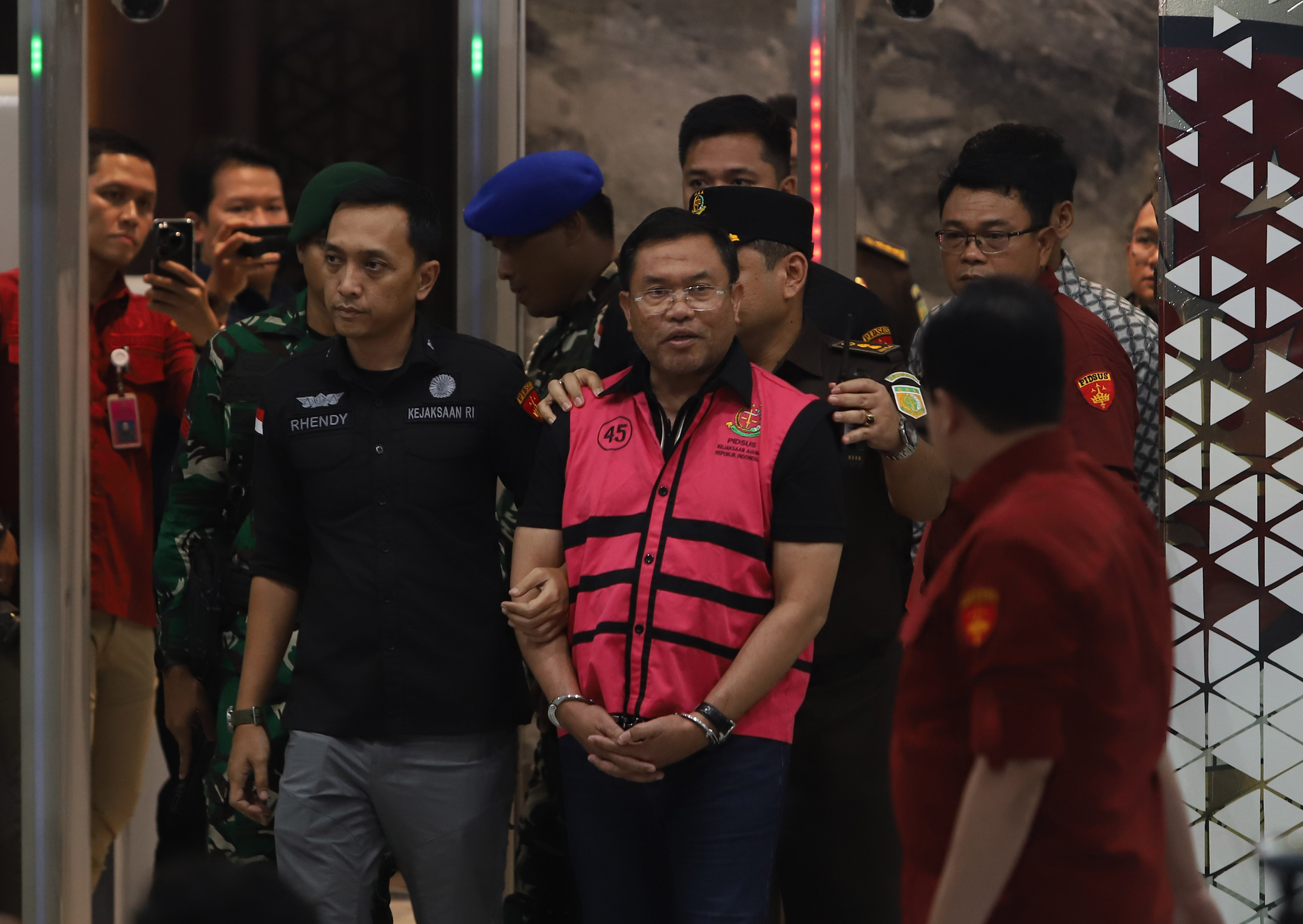
The intention of Sony Sanjaya, a suspect in the alleged corruption of the Free Nutritious Meal (MBG) programme, to become a justice collaborator (JC) and expose other parties allegedly involved in the case has not yet reached the desk of the Witness and Victim Protection Agency (LPSK).
LPSK Vice Chairperson Susilaningtias stated that, as of now, her agency has not received a protection request from Sony regarding the proposed justice collaborator status. “So far, there has been no application from Mr Sony to the LPSK; there has only been consultation,” Susilaningtias said when contacted on Monday (8/6).
Nevertheless, she explained that the LPSK has the authority to provide protection to perpetrator-witnesses or justice collaborators as regulated under the Witness and Victim Protection Act. However, not all perpetrators of a crime can obtain this status. According to Susilaningtias, a justice collaborator is a perpetrator involved in a crime who is willing to cooperate with law enforcement agencies to uncover a broader case. Furthermore, the individual’s role in the criminal act must be relatively minor and they must not be the main perpetrator.
“LPSK is authorised under the Witness and Victim Protection Act to provide protection to perpetrator-witnesses or justice collaborators who, in this instance, are part of the criminal act but are willing to cooperate with law enforcement, and whose role in the crime is minimal or can be described as not being the primary perpetrator,” she noted.
She further explained that the mechanism for applying for protection as a justice collaborator begins with a formal application to the LPS_K. Once the application is received, the agency will conduct an in-depth review to ensure the applicant meets all prescribed requirements. The assessment process does not only look at the confession or willingness to cooperate but also investigates the extent of the individual’s role in the crime being investigated. To this end, the LPSK must coordinate with the law enforcement agencies handling the case.
“LPSK will further examine whether the individual meets the criteria to be a JC or not,” said Susilaningtias. If the review shows that the applicant meets the criteria for a justice collaborator, the LPSK can provide protection in accordance with applicable regulations. However, such a determination must be based on information obtained from investigators and relevant law enforcement, including the applicant’s contribution to uncovering the crime and their status in the case.
“To determine how the individual can uncover the crime and whether they are indeed not the main perpetrator, we must certainly coordinate with the law enforcement agencies handling the case,” concluded Susilaningtias.