
LPS Urges ASEAN Halal Recognition to Boost Regional Competitiveness
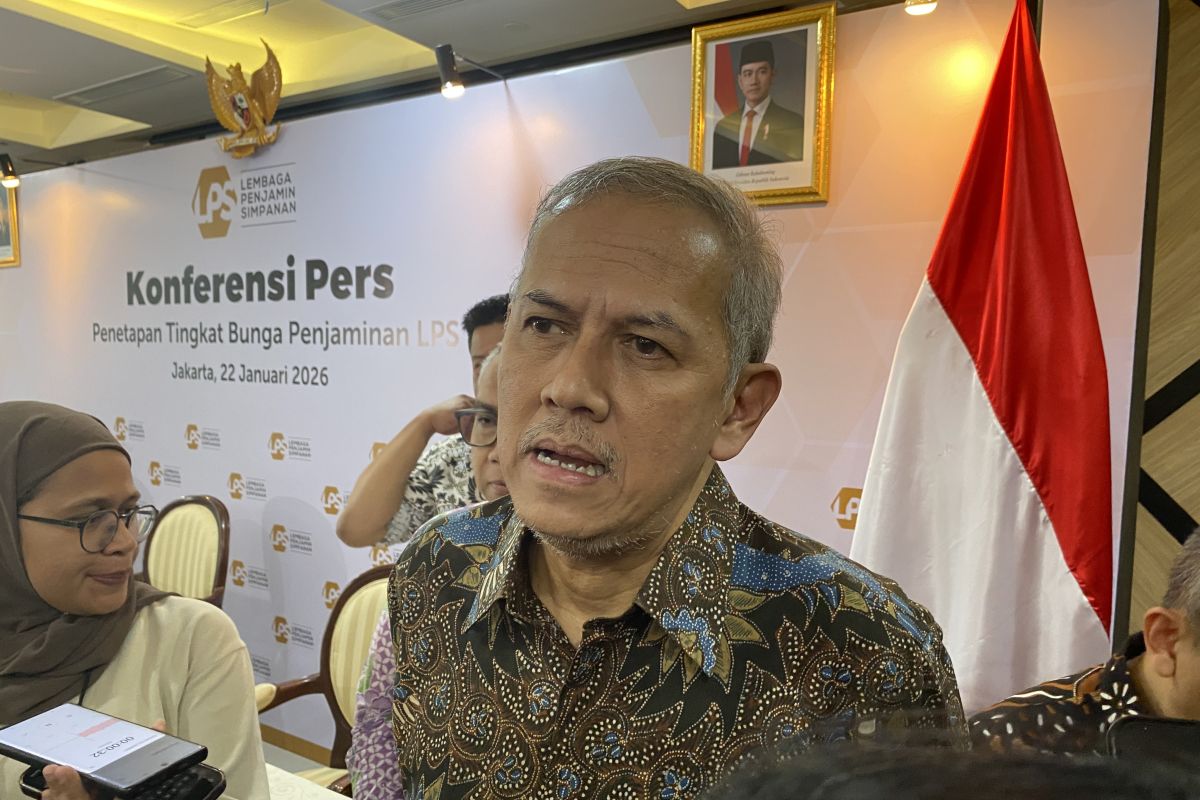
The Chairman of the Board of Commissioners of the Deposit Insurance Corporation (LPS), Anggito Abimanyu, stated that Indonesia needs to encourage the formation of a mutual recognition framework for halal certification at the ASEAN level to facilitate the flow of halal product trade and increase regional competitiveness.
According to Anggito, there are currently barriers to halal product trade between ASEAN countries because halal certificates issued in one country are not automatically recognised by others. As a result, businesses must still undergo re-certification processes when they wish to market their products in destination countries.
“At a minimum, ASEAN should have halal recognition. Therefore, if a product has already obtained halal certification in one member state, it should not need to undergo further halal testing when entering other ASEAN countries,” Anggito said in a statement received in Jakarta on Thursday.
He assessed that the re-certification mechanism actually increases costs, extends product time-to-market, and ultimately reduces the competitiveness of halal trade in the region. This is despite the fact that, according to him, ASEAN has great potential to become a global centre for halal product trade.
Anggito revealed that several halal certification bodies in ASEAN countries, such as Singapore, Malaysia, and Thailand, have expressed similar grievances.
Products that have obtained halal certification in their country of origin must still undergo a re-verification process when entering the Indonesian market, except for countries that already have a Mutual Recognition Agreement (MRA) scheme.
Therefore, he urged the government to take the initiative to build a halal certification recognition framework at the regional level. With such a system in place, the process of exporting and importing halal products is expected to become more efficient without compromising the halal guarantee of the products.
In addition to promoting regional cooperation, Anggito noted that Indonesia still has homework to do in strengthening the domestic halal ecosystem. One of the challenges is accelerating the halal certification process, which currently only covers about 30 per cent of products circulating in the market.
“When we talk about potential, everyone knows that our domestic halal market is among the highest in the world. We know the potential is huge, but the economic benefit for Indonesia is relatively low; if we look at our entire GDP consumption, only 30 per cent has halal certification, which is a paradox,” he said.
According to Anggito, strengthening certification governance, simplifying processes, digitising services, and increasing international cooperation are essential steps to ensure that Indonesia is not only the largest market for halal products but is also able to develop as a major exporter of halal products in the global market.