
LPPOM to Launch Pilot Project for Halal Raw Material Stores in Three Provinces
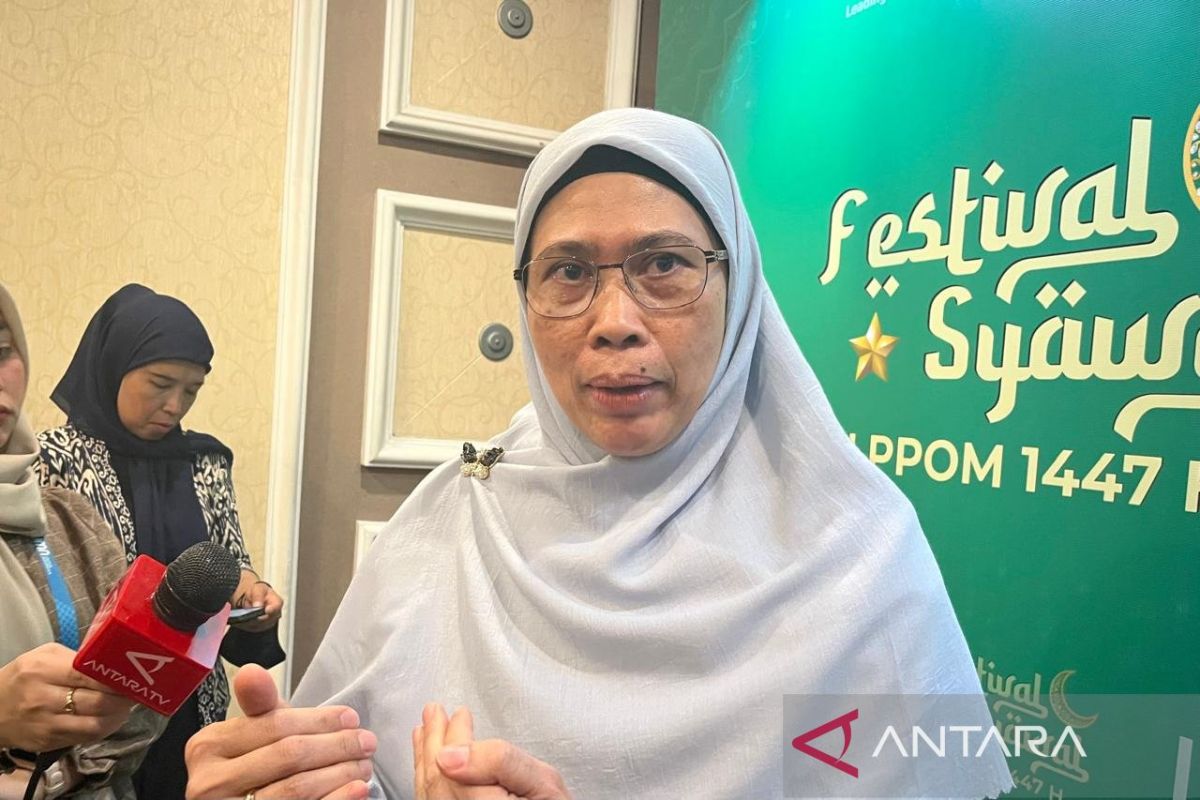
The halal raw material store is one of the important links in the chain. It can take the form of a meat shop, bakery ingredients shop, or even a cooperative, ensuring that halal integrity is maintained from producers to UMKM.
Jakarta (ANTARA) - The Food, Drug, and Cosmetic Assessment Institute (LPPOM) plans to develop a pilot project or model halal raw material store in three provinces as an effort to strengthen the halal supply chain for micro, small, and medium enterprise (UMKM) actors.
“Going forward, this will continue to be developed. Specifically for the pilot project that is expected to serve as a model, it will be built in three provinces, namely Bengkulu, East Java, and East Nusa Tenggara,” said LPPOM President Director Muti Arintawati at the Peak of the Syawal 2026 Festival event in Jakarta on Thursday.
Muti explained that the halal raw material store initiative has actually been started by LPPOM by opening two branches of raw material meat and frozen product stores in Bogor.
In 2026, LPPOM also facilitated halal certification for halal raw material stores as part of the Syawal Festival activities involving 61 business actors from 19 provinces.
She emphasised that the development of the project cannot be done independently, but requires collaboration from various parties. Cross-sector cooperation is deemed important to realise an ideal halal raw material store model that can be replicated in other regions.
“UMKM must feel confident when buying materials, for example meat, that it is already guaranteed halal. Even if they need a halal certificate, the store can provide it,” said Muti.
She also highlighted common practices in the field, such as buying materials in small packaging without clear producer information, which could potentially cause halal uncertainty.
Through the halal raw material store concept, LPPOM wants to encourage business actors’ awareness to only sell products with proven halal guarantees. In addition, it will facilitate the halal certification process for UMKM actors.
Furthermore, she stated that this pilot project is part of strengthening the upstream sector in the halal ecosystem.
With the certification of sales services at halal raw material stores, she hopes UMKM can more easily obtain certainty and information regarding the materials used, so that their product halal certification process becomes faster and more efficient.
“The halal raw material store is one of the important links in the chain. It can take the form of a meat shop, bakery ingredients shop, or even a cooperative, ensuring that halal integrity is maintained from producers to UMKM,” said LPPOM President Director Muti Arintawati.