
LPPOM Highlights the Importance of Building a Halal Ecosystem in the Meatball Industry, Bringing Suppliers and MSMEs Together
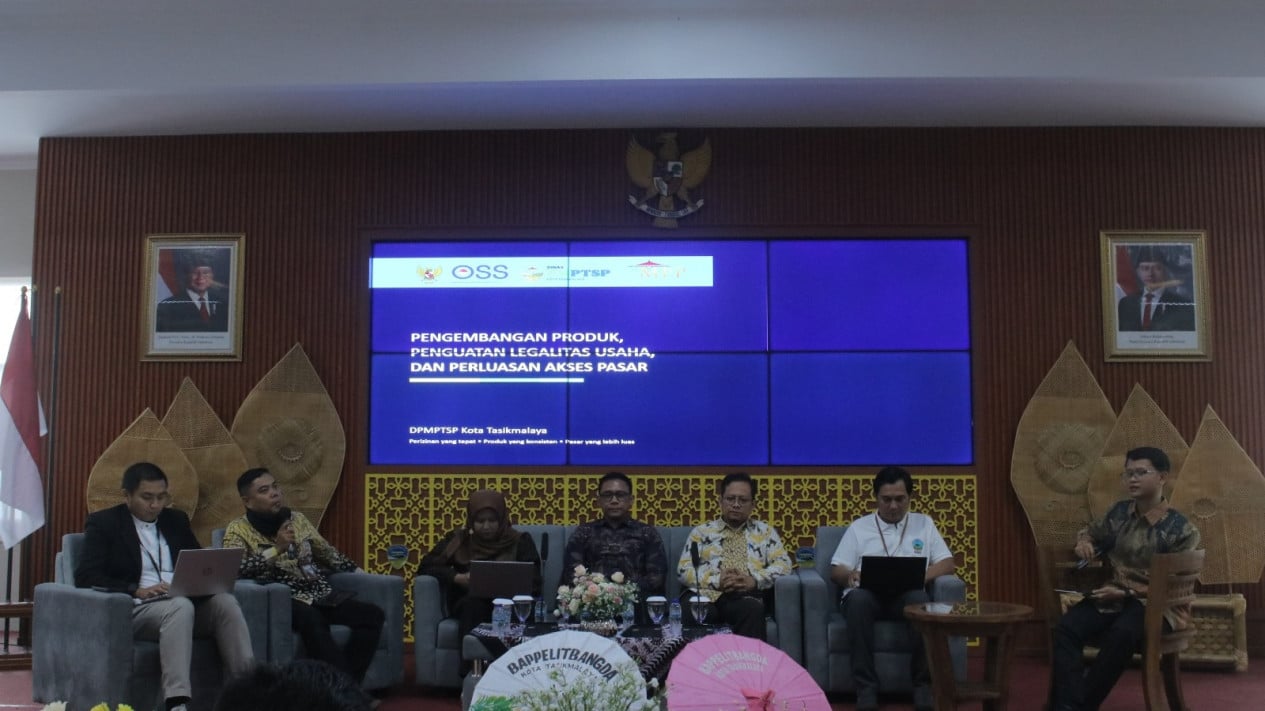
The meatball industry, particularly in Tasikmalaya, West Java, has the potential to grow and reach wider markets.
To support the industry’s development, LPPOM is promoting a stronger halal ecosystem through its LPPOM Halal Connect event, themed “Taking Tasikmalaya’s Culinary Businesses to the Next Level: Building Competitive, Trusted and Sustainable Enterprises”.
The event brought together meatball noodle businesses, raw-material suppliers and other stakeholders. It was also intended to create opportunities for collaboration and strengthen business relationships across the culinary industry’s supply chain.
Djunaedi Susanto, LPPOM Central’s Regional Strategic Halal Partnership Manager, said halal culinary businesses must be developed comprehensively. In his view, halal assurance needs to apply from the procurement of raw materials until products reach consumers.
“Making meatballs part of a halal ecosystem is entirely possible,” Djunaedi said in a statement quoted on Tuesday (3 November 2026).
He explained that building a halal ecosystem for the meatball industry requires the involvement of every party in the supply chain. These include abattoirs, meat suppliers, meat-grinding services, suppliers of seasonings and food additives, as well as businesses that process and sell the products.
Halal assurance depends on more than the main ingredients. The origin of additives, processing stages, production facilities, storage and distribution must also meet the requirements to protect the integrity of halal products.
For meatballs, for example, the use of meat as the main ingredient must be accompanied by certainty about its source and handling.
“When we talk about meatballs, we are not talking only about the vendors, but also about the supply chain,” he said.
According to Djunaedi, a supply-chain approach is necessary because businesses cannot ensure a product’s halal status in isolation. Raw-material producers, suppliers, processors and vendors need to be connected so that every stage of production can be reliably verified.
With such a system, consumers can enjoy not only good-tasting products but also assurance that the food they eat is halal.
A stronger halal ecosystem is also considered capable of adding value to business development. Certainty over raw materials and production processes can increase consumer confidence, strengthen business reputations and open access to wider markets.
Source: jawawa.id (https://jawawa.id/newsitem/lppom-highlights-the-importance-of-building-a-halal-ecosystem-in-the-meatball-industry-bringing-suppliers-and-1793658023)
Originally published by VIVA.co.id (https://www.viva.co.id/bisnis/1940592-lppom-soroti-pentingnya-bangun-ekosistem-halal-di-industri-bakso-gandeng-pemasok-dan-pelaku-umkm), translated from Indonesian