
LPG vs CNG Safety Comparison: Which Is Safer for Vehicles and Households?
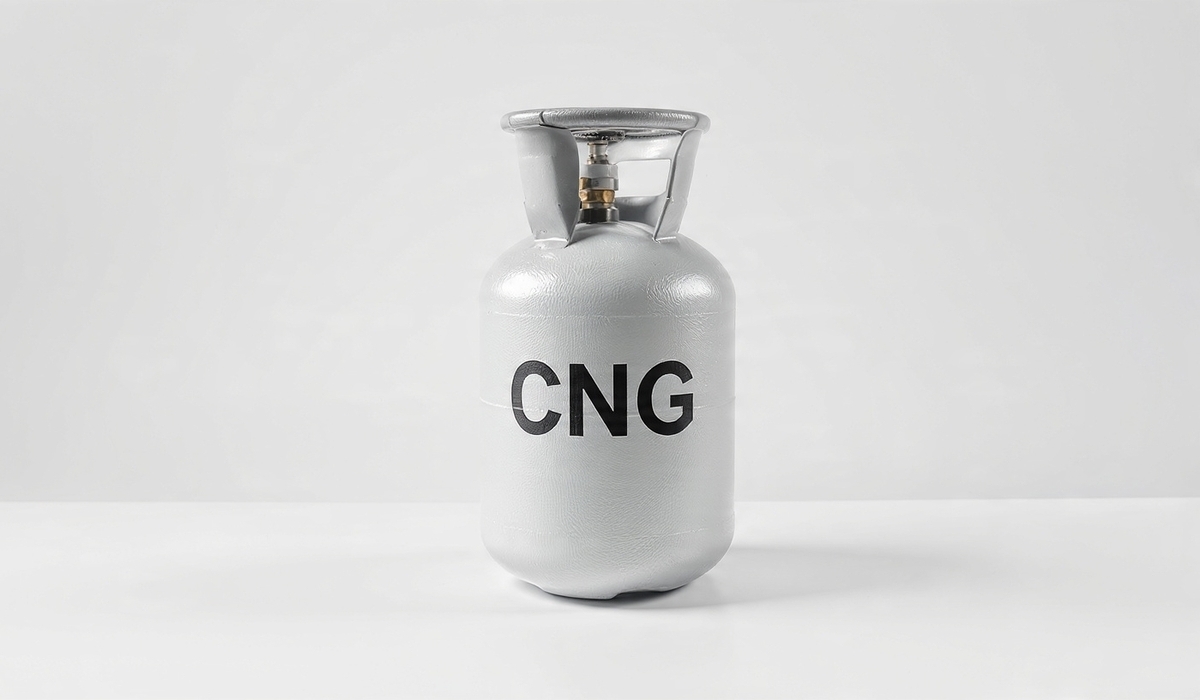
In the energy transition towards cleaner fuels, Liquefied Petroleum Gas (LPG) and Compressed Natural Gas (CNG) are two primary options for industrial, transportation, and household needs. However, the most common question among users is: which is safer? The safety of a gas fuel depends heavily on its physical characteristics, storage methods, and how it behaves during a leak.
The primary factor determining safety during a leak is the gas’s density relative to air. LPG consists of a mixture of propane and butane. Its key characteristic is that it is heavier than air. If a leak occurs, LPG does not rise but instead flows downwards and accumulates on floor surfaces, in corners, or in drains. This condition makes LPG more prone to causing explosions if an ignition source is present at ground level, as the accumulated gas is difficult to disperse through natural air circulation unless there is low-level ventilation.
CNG, on the other hand, is primarily composed of methane. Unlike LPG, CNG is lighter than air. In the event of a leak, CNG will quickly rise and disperse into the atmosphere. This property provides a significant safety advantage, especially in open spaces or rooms with good overhead ventilation, because the gas concentration is less likely to reach a flammable limit in areas where people are active.
A second safety aspect relates to how the gas is stored in cylinders or tanks. Although CNG is stored at a much higher pressure, its cylinders are designed to extremely stringent safety standards. CNG cylinders are typically made of seamless special steel capable of withstanding severe impacts, even in serious traffic accidents, making the risk of rupture smaller than that of conventional LPG cylinders. Furthermore, CNG has a higher self-ignition temperature of around 540°C, compared to LPG’s range of 410-480°C. This means CNG requires a hotter source to ignite spontaneously. CNG also has a narrower flammability limit in air, making it technically more difficult to ignite accidentally compared to LPG in the event of a minor leak.
Based on physical characteristics and behaviour during a leak, CNG is considered safer than LPG due to its lighter-than-air property, which allows it to dissipate quickly, and its more robust storage cylinders.