
LPEI Defendant Denies Using Fictitious Documents for Loan Disbursement
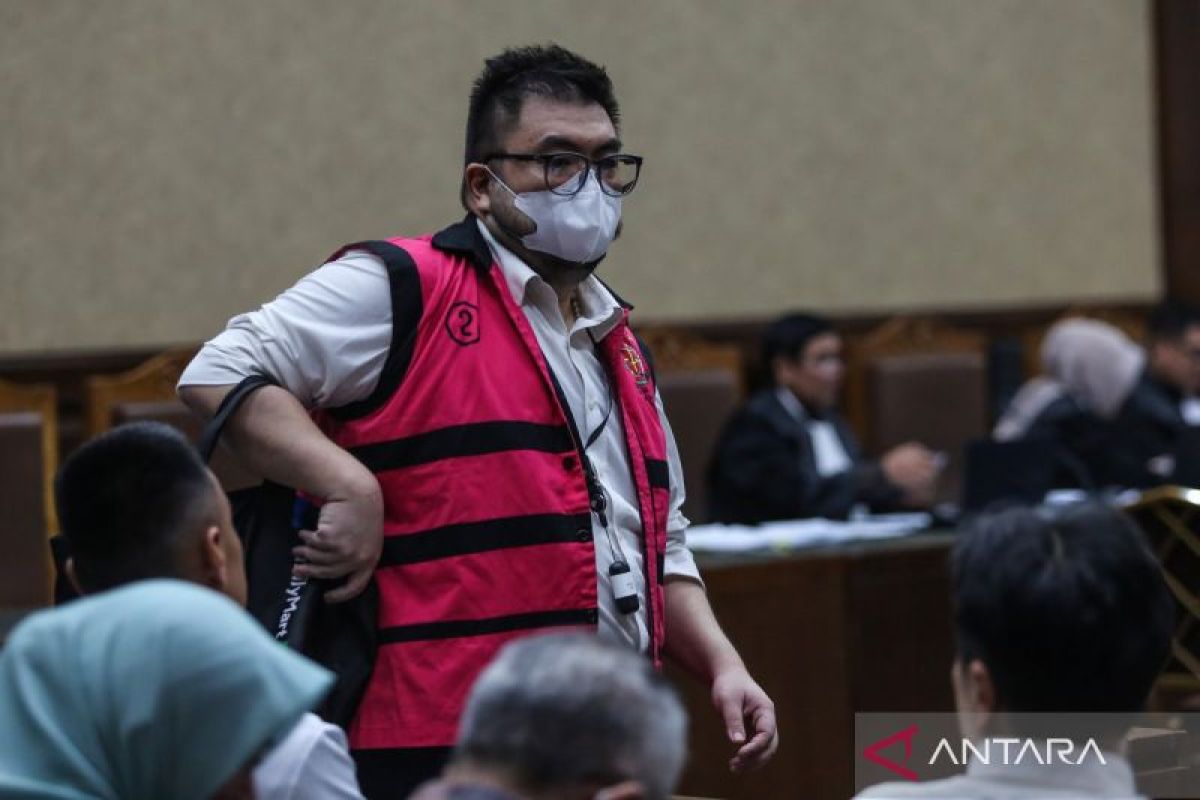
Handoko Limaho, a director and beneficial owner of PT Tebo Indah, has rejected accusations that he used fictitious documents in the process of disbursing financing from the Indonesian Export Financing Institution (LPEI). Handoko made the denial while testifying as a defendant in a hearing for the alleged corruption case involving LPEI’s national export financing at the Corruption Court in the Central Jakarta District Court on Friday. “Logically, why would anyone create fictitious documents with a value smaller than the revenue?” Handoko said. He stated that PT Tebo Indah’s revenue from the sale of crude palm oil (CPO), palm kernel, and fresh fruit bunches (FFB) in 2018 reached Rp71 billion. According to Handoko, the company’s business activities were also running with the operation of a palm oil mill whose capacity was increased from 30 tonnes to 45 tonnes. Handoko said the company’s sales were supported, among other things, by purchasing fruit from third parties and operating a palm oil mill handed over from PT Duta Marga Lestarindo. On that basis, Handoko assessed that the transaction values deemed fictitious in the case were below the sales value which he claimed the company genuinely generated. Handoko also denied any issues with the appraisal of the collateral used in the financing process. According to him, LPEI and the company used the services of the Public Appraisal Service Office (KJPP) Nirboyo to conduct the asset valuation. “The use of KJPP Nirboyo proves the validity of our asset valuation. So the entire collateral evaluation process was in accordance with applicable banking principles,” he said. The case relates to alleged corruption in LPEI’s national export financing for the 2015-2020 period, which according to the public prosecutor’s indictment resulted in state losses of approximately Rp992.83 billion. There are eight defendants in the case from LPEI and private sector elements, including Handoko Limaho and PT Tebo Indah Director Liu Raymond. According to the indictment, Handoko and Liu allegedly applied for financing facilities using feasibility study documents and asset appraisal reports that contained planted oil palm areas inconsistent with actual conditions. They are also accused of using fiduciary deed documents related to inventory and trade receivables that did not match the audited financial statements. The public prosecutor also charged Handoko and Liu with submitting disbursement applications for financing facilities using supporting documents in the form of allegedly fictitious invoices and contracts. The prosecutors charged the defendants with jointly committing a series of interconnected acts, considered as a continuing offence, which resulted in state financial or economic losses. The eight defendants are charged under Article 603 or Article 604 in conjunction with Article 20 letter c of the National Criminal Code in conjunction with Article 8 of Law Number 31 of 1999 concerning the Eradication of Criminal Acts of Corruption as amended by Law Number 20 of 2001.