
LPDP Scholarship Alumni Goes Viral, Sarmuji Demands Major Policy Evaluation
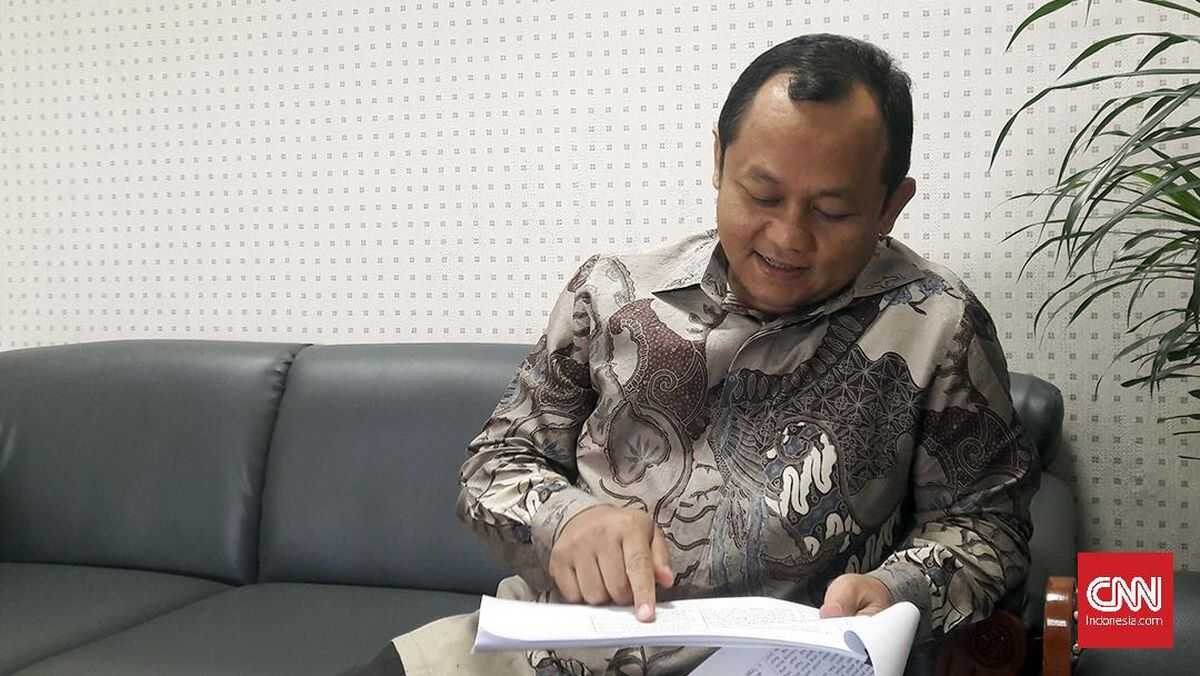
Chairman of the Golkar Party faction in the House of Representatives (DPR RI), Muhammad Sarmuji, has responded to remarks by an alumna of the Education Fund Management Institution (LPDP) scholarship programme who stated “it’s enough that I’m an Indonesian citizen — my children don’t need to be,” a comment that recently went viral on social media.
Sarmuji said the LPDP scholarship must be accessible to all segments of society and should not become a benefit enjoyed exclusively by the wealthy.
“I myself raised this issue during a working meeting between DPR Commission XI and the Ministry of Finance in early 2022. I conveyed that if there is no clear emphasis and affirmative action, LPDP will become a closed circle enjoyed only by the rich,” Sarmuji said.
Previously, LPDP scholarship recipient Dwi Sasetyaningtyas drew widespread criticism from netizens after uploading a video expressing her joy at her second child officially becoming a British citizen.
Dwi Sasetyaningtyas is an alumna of a master’s programme at Delft University of Technology in the Netherlands, graduating in 2017. Her husband, Arya Iwantoro, pursued master’s and doctoral studies at Utrecht University in the Netherlands from 2017 to 2022, also through the LPDP scholarship scheme, which is funded by the national education endowment and Indonesian taxpayer money.
Sarmuji emphasised that this issue is not merely about personal choice, but about policy design that must uphold social justice.
“Without affirmative action, only the wealthy will benefit, because the requirements are extremely demanding. The TOEFL English score must be such-and-such. And the people who can meet these criteria are, on average, certainly wealthy,” Sarmuji said.
“The primary consideration should be academic potential — whether the candidate is capable of undertaking rigorous study. Language skills can be upgraded. The state can step in to help. But if from the outset only those who have been afforded the best schools and courses since childhood can qualify, then the same people will keep benefiting,” he added.
He also noted that affluent segments of society fundamentally have more alternatives available to them. When one option is unavailable, they can relatively easily seek other opportunities, including education or career prospects abroad, without needing to return to Indonesia.
“This is different for children from disadvantaged families. For them, an opportunity like LPDP could be the only ladder to change their fate,” he said.
He therefore stressed that the more pressing priority is the state’s willingness to provide affirmative measures for structurally disadvantaged groups, without lowering academic quality standards.
“This is not about lowering standards. Academic standards must remain high. But the state must pay attention to disadvantaged groups who cannot meet the established criteria due to structural limitations,” Sarmuji said.
Sarmuji also specifically highlighted the access of Islamic boarding school (pesantren) alumni to LPDP scholarships.
“Take pesantren, for example. Without attention from the state, pesantren alumni will find it difficult to obtain LPDP scholarships. Pesantren that must divide their curriculum between religious studies and general subjects will struggle to secure LPDP funding without affirmative measures,” he said.
Sarmuji expressed hope that this controversy could serve as a catalyst for policy evaluation, ensuring that the national education endowment is truly felt by the nation’s children from all social backgrounds.
“The education endowment comes from the people’s taxes. Its spirit must therefore be one of social justice. We must not allow a situation where, without realising it, only certain social groups benefit repeatedly. The state must step in with affirmative measures so that the disadvantaged also have a ladder to climb,” Sarmuji said.