
Lower-middle class purchasing power key to second-half economic performance: Economist
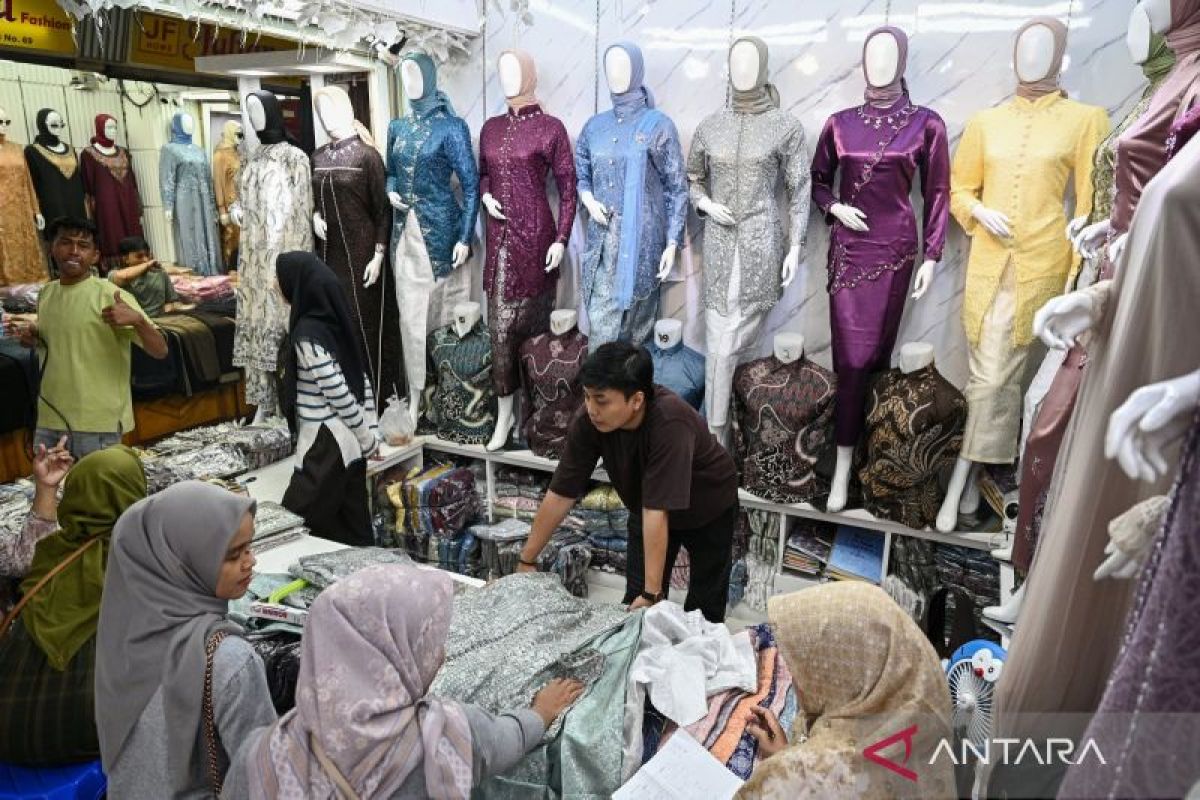
Economist M Rizal Taufikurahman from the Institute for Development of Economics and Finance (INDEF) has assessed that public purchasing power, particularly among the lower-middle class, is a crucial key to maintaining national economic growth performance in the second half of 2026. “In the third and fourth quarters, the government needs to focus on maintaining purchasing power, especially for the lower-middle group,” Rizal said when contacted by ANTARA in Jakarta on Monday. In the second quarter of 2026, Statistics Indonesia (BPS) announced that household consumption grew by 5.06 percent year-on-year (yoy). This growth slowed compared to the first quarter of 2026, which recorded growth of 5.52 percent (yoy). According to Rizal, the slowdown in household consumption in the second quarter warrants attention because consumption remains the main pillar of economic growth, contributing 2.67 percent to the national economic growth performance, which reached 5.29 percent (yoy). When consumption weakens while national economic growth remains around 5 percent, Rizal continued, it means the sources of growth are starting to rely more on other components such as investment and government spending. Therefore, efforts are needed to boost household consumption performance again for the remainder of the year. A number of steps he highlighted include controlling food inflation, more targeted assistance, transport incentives, and policies that suppress the cost of living. However, he underlined that consumption stimulus must not stop at temporary aid. Stimulus should be directed more towards efforts to improve household income sources through the creation of formal jobs, preventing layoffs, encouraging real wage increases, and strengthening micro, small, and medium enterprises (MSMEs). If consumption is forced to grow without income improvement, Rizal argued that the possible risk is that people will erode their savings or increase their debt. “So, the strategy for the third and fourth quarters must combine short-term stimulus with income strengthening so that consumption recovers in a healthier and more sustainable manner,” he said.