
Low-Wage Workers More Vulnerable to Early Death, Study Finds
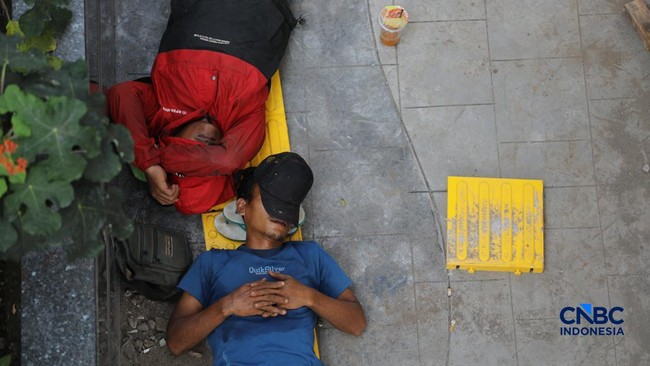
A recent study published in the Journal of the American Medical Association (JAMA) has found that low-wage workers are more vulnerable to early death. Researchers from Columbia University’s Mailman School of Public Health tracked the employment and health metrics of approximately 4,000 workers in the United States over a 12-year period, using data from the University of Michigan’s Health and Retirement Study collected between 1992 and 2018. All participants were at least 50 years old at the start of the study and in their 60s by its conclusion.
The findings indicate that middle-aged workers who tend to earn low wages face a higher risk of mortality, with the risk being twice as high for those in unstable employment who persistently receive low pay. The study noted that low-wage workers are more frequently exposed to workplace hazards, tend to experience higher stress levels, and face greater health risks. Data showed that these workers were significantly more likely to report poor health, symptoms of depression, and a lack of employer-sponsored health insurance.
‘[W]ages are a modifiable and actionable risk factor for improving health and health inequities,’ the researchers wrote. While shifts in the labour market composition and regional labour shortages have driven wage increases in the US over the past two years, these gains have generally failed to keep pace with high inflation. According to the Bureau of Labor Statistics’ Employment Cost Index, when adjusted for inflation, wages and salaries actually fell by 1.2 percent over the year. Low- and middle-income workers, particularly in the leisure and hospitality sectors, typically experience faster wage growth than higher earners, but household incomes remain uneven and are continually eroded by inflation. A researcher from the Federal Reserve Bank of Dallas noted that the majority of low-income household earnings are spent on daily necessities such as food, fuel, and rent, leaving them with little to no savings.