
Low Interest in People's Schools at Primary Level Prompts DPR Member to Call for Thorough Evaluation
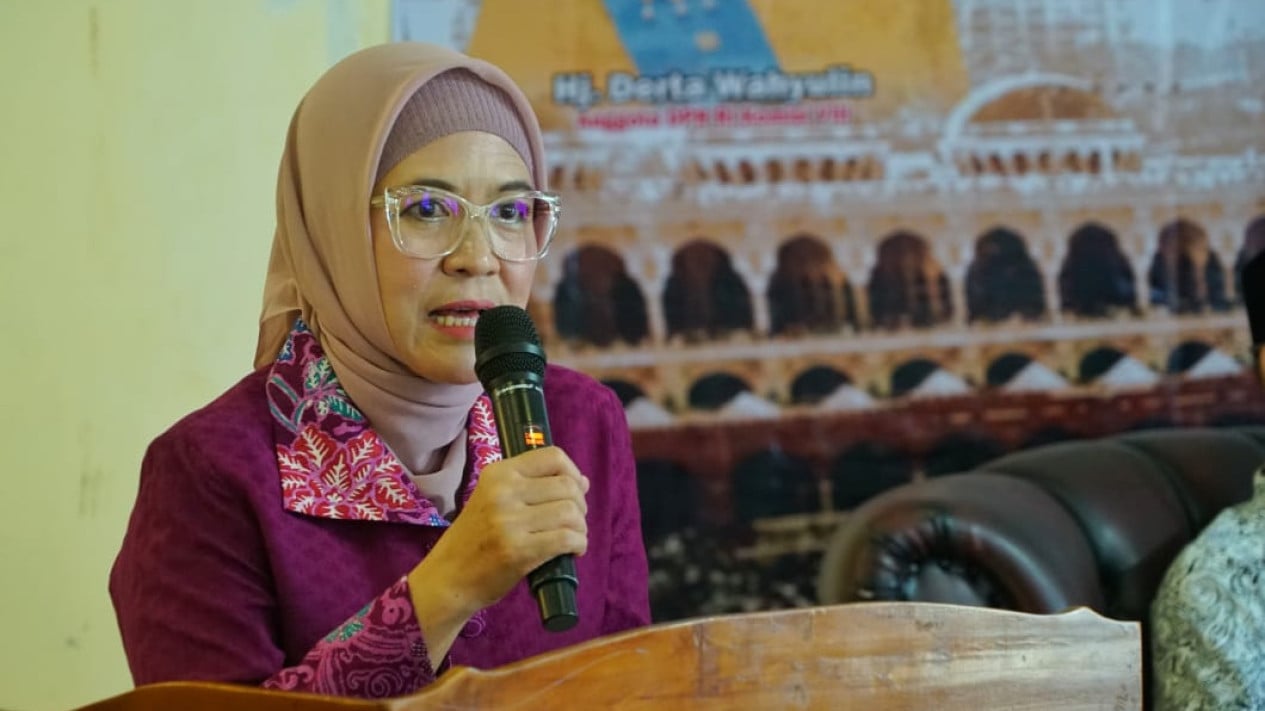
A member of the Indonesian House of Representatives (DPR RI) has raised concerns over the low public interest in the government’s boarding-based People’s School (Sekolah Rakyat) programme at the primary school level in several regions. Derta Rohidin, who serves on Commission VIII, stated that this situation must serve as a serious evaluation point for the government to ensure the programme’s implementation is not merely target-oriented but genuinely considers children’s developmental needs. “The low interest in People’s Schools at the primary level should not be viewed solely as a problem of insufficient socialisation. The government needs to examine this issue more deeply. There are psychological, social, and cultural aspects that greatly influence parents’ decisions,” Derta said in a written statement on Thursday, 16 July 2026. Minister of Social Affairs Saifullah Yusuf acknowledged the shortage of applicants for the primary school level, noting that only 5,000 of the 9,000 available places have been filled, while enrolment for the junior and senior secondary levels is relatively full. Derta argued that primary school-aged children are in a developmental phase that requires strong emotional attachment to their parents, with the family serving as the primary environment for shaping character, security, self-confidence, and moral and spiritual development. “Parental affection cannot be fully replaced by a boarding care system, no matter how good the facilities are. Many parents feel they are not ready to be separated from their children at such a young age. This concern is natural and must be respected,” he said. He assessed that while the boarding school concept has benefits in certain conditions, particularly for children who genuinely lack access to education or come from highly vulnerable families in remote areas, its implementation cannot be standardised for all community groups without considering the specific needs of the child. The Golkar Party politician requested that the Ministry of Social Affairs, along with related ministries and agencies, conduct a thorough evaluation of the People’s School programme design, especially at the primary level. This evaluation should not only measure student numbers but also consider psychological aspects, family readiness, the effectiveness of caregiving, and community acceptance.