
Low-Cost Hezbollah-Sent Drones Baffle the Israeli Military
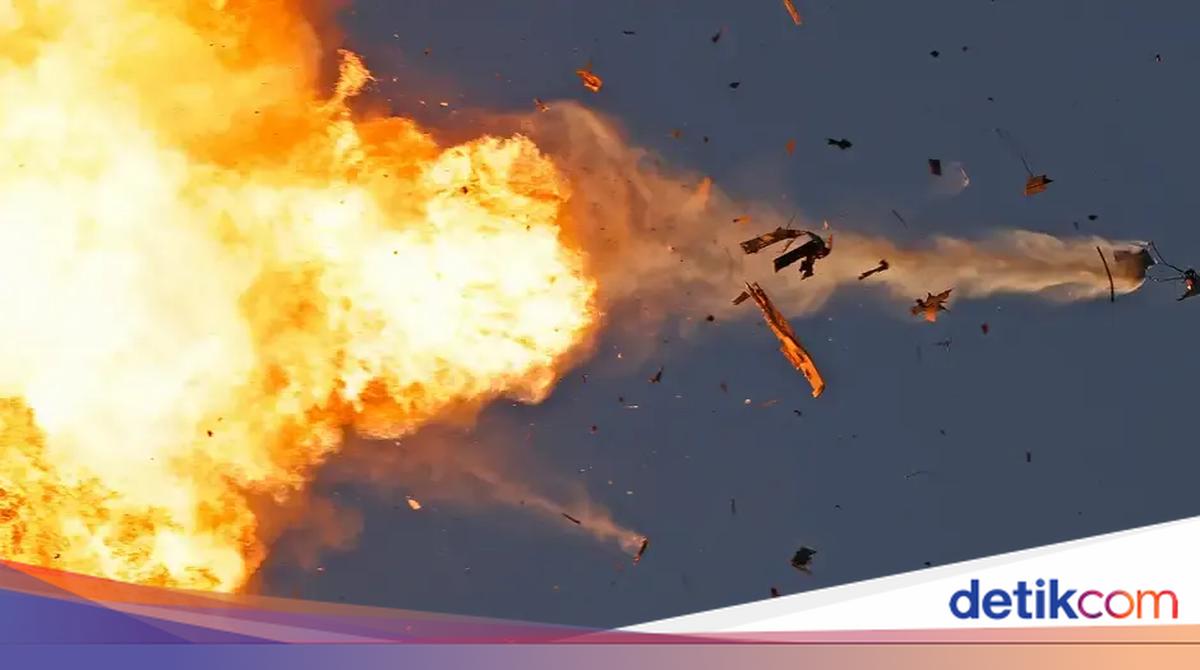
Video footage of the attack was released about a week ago by Hezbollah, the Iran-backed Shia militia in Lebanon. The organisation is designated a terrorist group by several countries, including Germany, the United States, and some Sunni Arab states. For Hezbollah, the footage represents a propaganda victory, illustrating that the Israeli military is more vulnerable now than at any time previously.
Optical-fibre drones as a new weapon
Since March, Hezbollah has intensified its use of FPV (First Person View) drones in southern Lebanon. These drones allow operators to view targets directly through a camera mounted on the device. Hezbollah drone strikes have reportedly killed several Israeli soldiers and wounded many more.
What worries Israeli military experts is that an increasing number of drones are no longer controlled via radio signals, but via optical-fibre cables. The signal is transmitted through a thin fibre that unspools from a reel to the operator. As a result, drones are far harder to detect or disrupt with conventional electronic warfare methods such as jamming.
In the Russia–Ukraine war, optical-fibre drones have been widely used since 2024, by both Ukrainian and Russian forces. But to date there has been no robust defence strategy. In addition to protective nets, field troops often resort to simple methods such as shooting drones with shotguns. Nevertheless, the main problem remains unsolved: these drones are almost impossible to trace electronically.
Israel is seen as unprepared
This development puts the Israeli military in a difficult position, as it does not appear to be fully ready to face the drone threat. ‘The armed forces, long prepared for large-scale war, are suddenly facing a completely new challenge,’ drone expert Neri Zin told DW.
According to the CEO of Israeli defence start-up Axon Vision, the military tends to be slow to adapt to technological change. ‘A tank that costs tens of millions of dollars can now be attacked by an FPV drone available for around $400 on Alibaba,’ he said.
The Ukrainian ambassador to Israel, Yevhen Korniichuk, even expressed astonishment that Israel has not engaged more actively with Ukraine’s drone warfare experience. ‘Sadly, we do not see much interest from Israeli leadership in this regard,’ he told Israel’s Ynet News.
An Israeli military spokesperson told DW that they continue to monitor similar challenges on battlefields around the world. He said the Israeli military is ‘at the forefront in the race to develop solutions to confront this threat.’
Political pressure mounts
The drone issue is also beginning to exert political pressure on Prime Minister Benjamin Netanyahu. In an interview with Israeli media, he said he had ordered the creation of a ‘special project to counter the drone threat.’ But he also urged the public to be patient. ‘This will take time,’ Netanyahu said.
Various technical solutions are now being discussed. From visual and acoustic detection systems capable of recognising drones early to electronic-disruption technologies using microwaves or lasers, all supported by artificial intelligence, governments are considering a range of approaches.
Solutions must be affordable
According to Neri Zin, the solutions needed should be simple and quick to implement. ‘We need easy solutions—and we need them now. We cannot wait years to develop them,’ he said.
His start-up is developing a drone-defence system designed to protect small field units and can be mounted on vehicles. The system uses visual and thermal cameras to monitor the surrounding environment. Camera data is analysed in real time by the AI system before target information is relayed to the weapon system.
Zin emphasised that humans remain in the decision-making loop. However, in highly intense combat situations the system can be authorised to take automatic actions for a limited period.
He said his company already has customers in several countries, including in Europe. Ultimately, he said, drone warfare is also an economic war. Defence solutions must remain affordable, or an absurd situation will arise. ‘I just saw a general from the United Arab Emirates talking about the cost of warfare against Iran last month,’ he said. ‘They shoot down Shahed drones with interceptor missiles—yet one of those missiles costs eight million dollars.’