
Loss of Y Chromosome in Men Not Just Ageing, but a Serious Health Threat
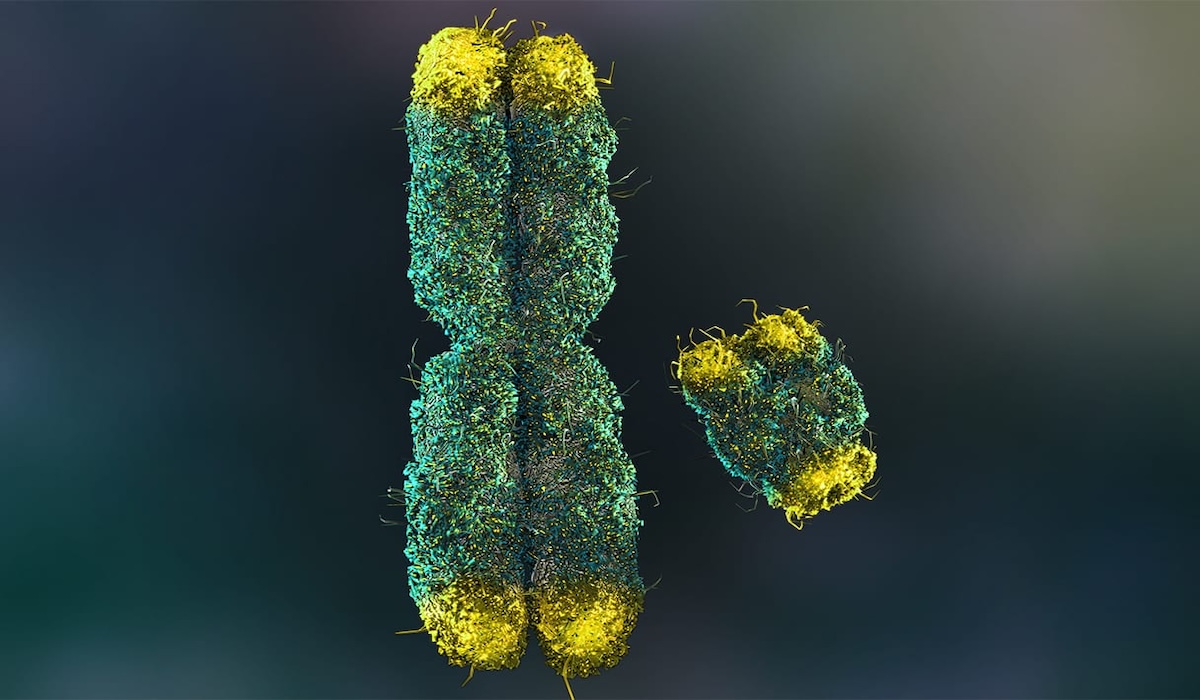
The phenomenon of the loss of the Y chromosome in elderly men is no longer considered merely a normal ageing process. Various recent studies show that the condition, known as mosaic loss of Y chromosome (LOY), has serious health impacts, ranging from the risk of heart disease to cancer.
The Y chromosome, which has long been identified as the determinant of male sex and reproductive function, turns out to have a vital role in maintaining the immune system. Data shows that approximately 40% of men aged 70 experience the loss of the Y chromosome in some of their blood cells, and this figure surges to 57% by the age of 93.
Researchers have found a strong correlation between LOY and an increased risk of premature death. Based on studies progressing through 2025, the loss of this chromosome in immune cells makes the body less effective at recognising and attacking cancer cells and triggers dysfunction in vital organs.
Research on humans and animal models shows that men who lose the Y chromosome tend to be more vulnerable to degenerative diseases. In 2022, a study on mice proved that the loss of the Y chromosome in immune cells causes significant impairment of heart function.
In addition to the heart, LOY is also linked to the risk of kidney disease and Alzheimer’s. Scientists suspect that without an intact Y chromosome, the immune system undergoes functional degradation that accelerates tissue damage in elderly men.
Approximately 40% of men suffering from bladder cancer were found to have lost the Y chromosome in their tumour cells. This explains why men have a higher risk of developing this type of cancer compared to women.
On the other hand, evolutionary experts highlight the shrinkage of the Y chromosome that has been occurring for millions of years. Currently, the chromosome retains only about 3% of its ancestral genes. This condition has sparked debate among scientists regarding the possibility of the complete loss of the Y chromosome in the future.
Nevertheless, evolutionary biologist Jennifer Hughes argues that the genes remaining today have a very crucial function for human survival, so evolutionary pressure will continue to maintain it. Conversely, other experts suggest that these important genes could potentially migrate to other chromosomes in the future.
To date, advancements in genome sequencing technology continue to be used to unravel the mysteries of the Y chromosome. Although it contributes only 0.9% of DNA in male cells, its role has proven to be far greater in determining the health quality and longevity of a man.
Source: jawawa.id (https://jawawa.id/newsitem/loss-of-y-chromosome-in-men-not-just-ageing-but-a-serious-health-threat-1781617901)
Originally published by Media Indonesia (https://mediaindonesia.com/humaniora/901117/bukan-sekadar-penuaan-hilangnya-kromosom-y-pada-pria-ternyata-mengancam-nyawa), translated from Indonesian