
Long weekend travel spreads across cities as KAI serves 956,265 passengers over five days
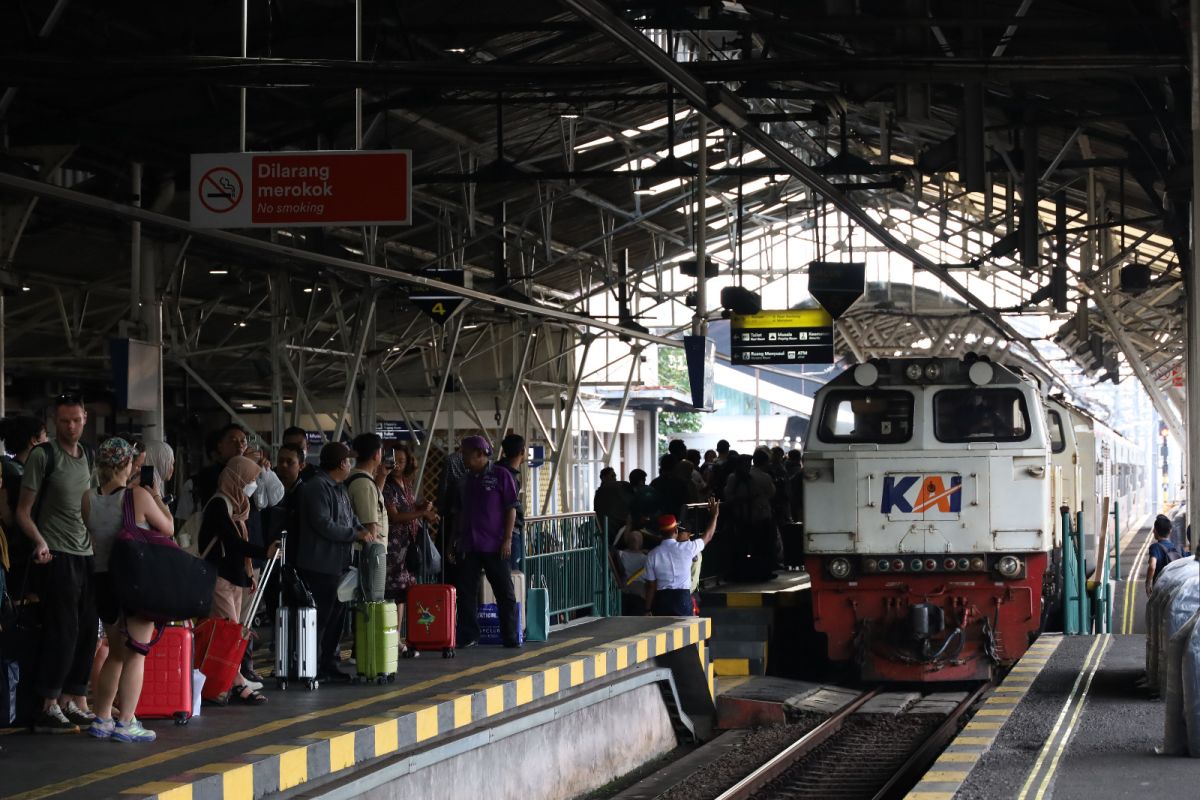
The Iduladha 1447 Hijriah long weekend coinciding with Pancasila Day has created an interesting travel pattern. Unlike previous mudik periods when movement was concentrated on specific days, this time passenger travel was more evenly spread throughout the holiday. Cities across the archipelago saw simultaneous movement, with diverse travel stories connected through rail transport.
PT Kereta Api Indonesia (Persero) reported that by 10:00 WIB on Sunday, 31 May 2026, ticket sales for the departure period from 26 May to 1 June 2026 had reached 1,308,106 tickets, with numbers likely to rise as sales continue. During the first five days of the long weekend (26-30 May), KAI served 956,265 passengers across its operations in Java and Sumatra.
KAI Vice President of Corporate Communications Anne Purba said this year’s long weekend travel pattern showed more flexible mobility. Passengers used trains for various needs, including tourism, visiting family, attending religious activities, and business travel that continued during the holiday.
‘We see people are increasingly free to choose their travel times. Mobility is not concentrated on a single day but spread throughout the holiday period. This pattern shows trains are being used for multiple simultaneous activities across many regions,’ Purba said.
Daily passenger numbers during the long weekend (26 May–1 June 2026) were as follows:
• 26 May: 215,311
• 27 May: 155,653
• 28 May: 176,866
• 29 May: 192,957
• 30 May: 215,478
• 31 May: 184,509
• 1 June: 167,332
The data shows sustained high demand throughout the holiday. After exceeding 215,000 passengers at the start of the long weekend, daily numbers remained above 155,000. This spread-out movement indicates more evenly distributed economic, social, and tourism activity across regions.
This travel pattern is reflected in the list of favourite trains used during the long weekend. Notably, the list shows how rail services connect diverse regions across Indonesia, from coastal areas, mountains, cultural centres, to industrial and commercial cities.
The top 10 trains during the long weekend were:
Joglosemarkerto (Yogyakarta-Solo-Semarang-Purwokerto, return): 34,256 passengers
Pariaman Express (Naras–Pauhlima, return): 32,509
Airlangga (Pasarsenen–Surabaya Pasar Turi, return): 31,499
Siliwangi (Sukabumi–Cipatat, return): 30,742
Serayu (Purwokerto–Pasarsenen/Kiaracondong, return): 28,832
Ambarawa Express (Semarang Poncol–Surabaya Pasar Turi, return): 27,136
Kahuripan (Blitar–Kiaracondong, return): 27,076
Pangrango (Bogor Paledang–Sukabumi, return): 26,619
Putri Deli (Medan–Tanjung Balai, return): 26,172
Sancaka (Yogyakarta–Surabaya Gubeng, return): 25,828
The dominance of the Joglosemarkerto train reflects high mobility in Central Java and the Special Region of Yogyakarta. As its name suggests, the service connects Yogyakarta, Solo, Semarang, and Purwokerto in an integrated travel network. This route links educational, cultural, governmental, commercial centres, and popular tourist destinations during the extended holiday. Passengers enjoy scenic views of rice fields, historic urban areas, and characteristic Central Java landscapes as part of their rail journey.
In West Sumatra, the Pariaman Express remained a favourite for coastal travel. Passengers could enjoy views of beaches, fishing activities, coastal villages, and the distinctive West Sumatra coastline from their train windows. Meanwhile, the Siliwangi and Pangrango trains offered journeys dominated by mountainous scenery, green valleys, and sprawling rice fields in Sukabumi and Cianjur.
For intercity travel, the Airlangga, Serayu, Ambarawa Express, Kahuripan, and Sancaka trains remained popular choices for journeys to economic, educational, and tourism hubs across Java. The Putri Deli train played a key role in connecting mobility in North Sumatra via the Medan–Tanjung Balai route, a strategic transport corridor in the region.
The diversity of routes in the top list demonstrates that railways have become integral to broader societal activities. Each journey brings benefits to many: families reuniting, business opportunities for entrepreneurs, and destinations receiving tourists and community movement from various cities.
‘Behind every journey are parents waiting for their children to return, families reuniting, friends meeting again, and hopes being pursued. Railways facilitate these gatherings. When a journey takes place, its benefits are often felt far beyond the distance travelled,’ Purba concluded.