
Lombok Tengah Residents Turn Waste into Fertiliser and Valuable Crafts
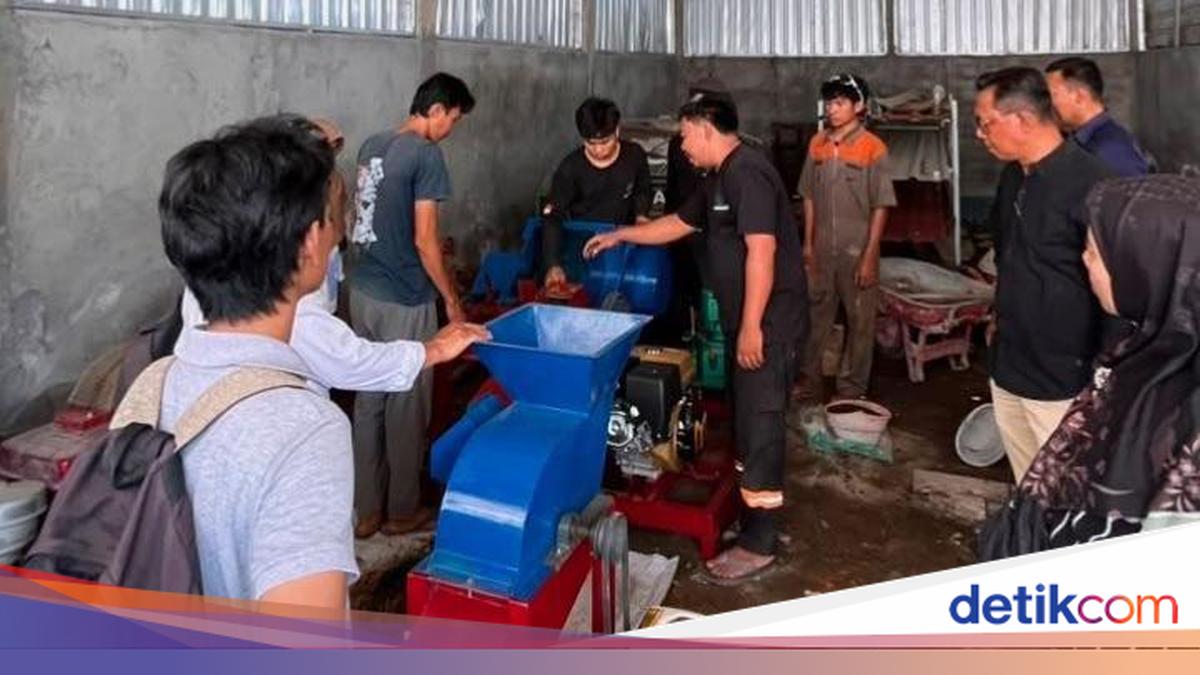
Residents of Segala Anyar village, Pujut district, Central Lombok, West Nusa Tenggara (NTB), have begun developing a community-based Waste Station to collect and process rubbish. They gather animal waste, plastic bottles and cups, cardboard and used cooking oil to turn them into products with economic value.
The programme is being run by a team from Mataram University (Unram) under the BIMA programme of the Ministry of Higher Education, Science and Technology (Kemendiktisaintek). It involves the Climate-Aware Community Group (MSI) and micro, small and medium-sized enterprises (MSMEs) in Segala Anyar village.
Nurtaat, a resident of Segala Anyar, said she was delighted to have access to the facility. The programme, she said, was beginning to change residents’ perceptions of waste, which had previously been considered useless.
“Thankfully, with the BIMA programme in Segala Anyar village, we are starting to get organised and realise that the waste around us, both organic and inorganic, can still be put to use,” Nurtaat told detikBali on Wednesday (21 October 2026).
The head of the Climate-Aware Community Group (MSI) explained that animal waste, which had previously accumulated and risked polluting the environment, was now being processed into organic fertiliser. Inorganic waste is collected for sale or reuse.
“Animal waste that used to pile up and potentially cause pollution is now being processed into organic fertiliser. Items such as plastic cups and bottles, cardboard and used cooking oil are also being collected because they have economic value,” Nurtaat said.
Although the initiative has not yet generated substantial income, residents are beginning to see its benefits. Nurtaat said proceeds from waste sales provided the community group with at least some additional income.
“Although the proceeds are not enough to meet our daily needs, they are helpful because the collected waste can be sold at a fair price, with weighing carried out more transparently,” Nurtaat said.
Another resident, Rosmilawati, said the Waste Station had also created opportunities for people to earn income from inorganic waste. Through the programme, residents were beginning to recognise that waste once seen as an environmental threat could be put to productive use.
“With the BIMA programme in Segala Anyar village, we are starting to get organised and realise that inorganic waste still has economic value,” Rosmilawati said.
Rosmilawati said the programme’s benefits extended beyond income, helping to build public awareness of the importance of keeping the environment clean. She hoped it would continue so residents could manage waste effectively.
“We hope this programme can continue and not stop here, so that more people become aware of how to manage waste better,” she said.
The community-service team’s leader, Baiq Yulfia Elsadewi Yanuartati, said the Waste Station was being developed in stages, with residents involved as the main participants. The programme is expected to continue for several years.
“The Waste Station in Segala Anyar village is being developed through a participatory and collaborative approach. Residents are not merely beneficiaries; they are directly involved in waste management and business development,” Yulfia said.
In its first year, the programme is focusing on improving organic-waste processing and encouraging residents to collect inorganic waste. Support includes the provision of an organic-waste chopper, improvements to the organic-fertiliser grinder and the development of a pellet-making machine.
“Through this support, we hope residents will become more skilled at processing waste, managing production and developing the village’s potential into productive activities,” Yulfia said.
In its second year, the programme will focus on strengthening organic- and inorganic-waste businesses, developing craft products, building management capacity and expanding marketing networks. Market development is considered essential to ensure the products made by residents can generate sustainable added value.
“Going forward, organic fertiliser and craft products are expected to become flagship products of Segala Anyar village, creating economic value and supporting local businesses,” Yulfia said.
The Waste Station programme is designed for the long term. Yulfia aims for Segala Anyar to become an educational tourism village focused on waste management. Its location in the buffer zone of the Mandalika Special Economic Zone (SEZ) is seen as an opportunity to introduce the processed-waste products to visitors.
“The programme’s success requires sustained cooperation between residents, universities, the village government and other stakeholders. We hope the Waste Station will continue to grow, benefiting the environment while improving the local economy,” Yulfia said.
Source: jawawa.id (https://jawawa.id/newsitem/lombok-tengah-residents-turn-waste-into-fertiliser-and-valuable-crafts-1792572638)
Originally published by detikBali (https://www.detik.com/bali/nusra/d-8717445/warga-di-lombok-tengah-sulap-sampah-jadi-pupuk-kerajinan-bernilai-ekonomi), translated from Indonesian