
Local Fish Consumption Key to Making Indonesia’s Fisheries Industry More Sustainable
Jakarta (VIVA) — Strengthening Indonesia’s fisheries industry depends not only on the country’s abundant marine resources and export markets. Increasing domestic fish consumption and adopting responsible fishing practices are also important to safeguarding the sustainability of the national fisheries sector.
Indonesia has considerable fisheries potential, including tuna, one of its leading export commodities. However, that potential needs to be matched by greater public awareness of locally sourced fisheries products and attention to the origins of the fish people buy.
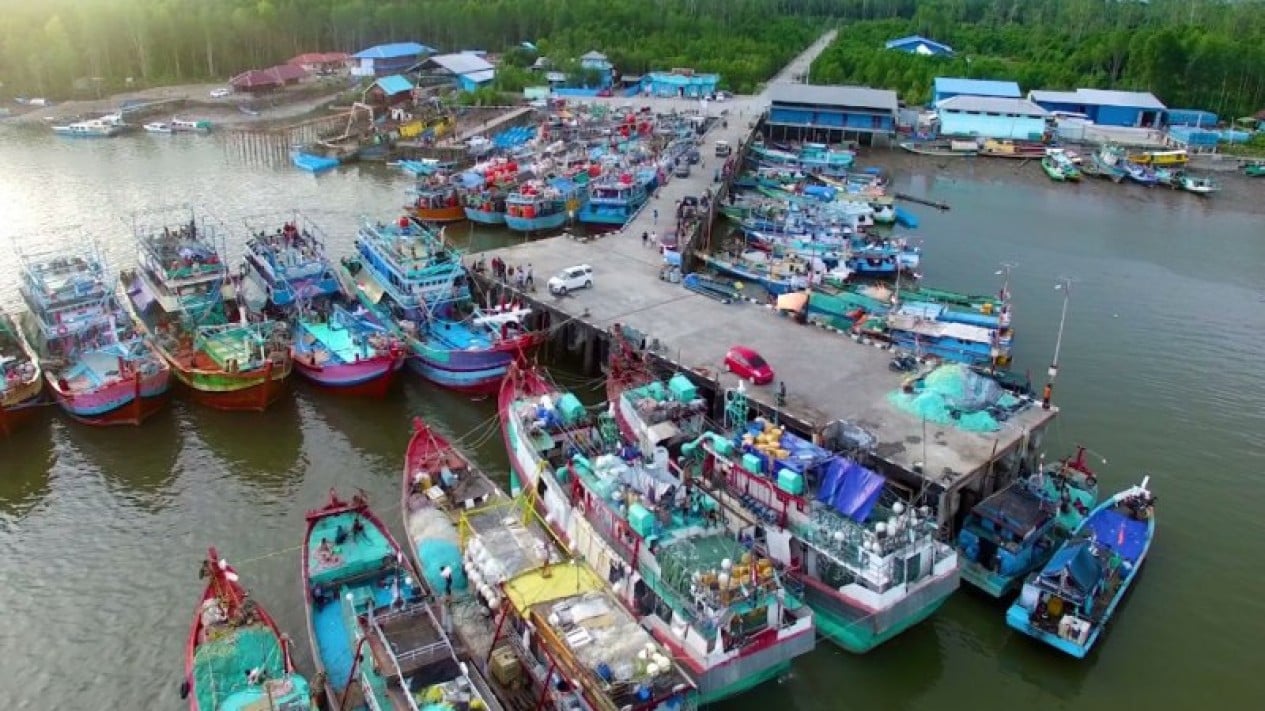
Small-scale fishers also play an important role in the national fisheries supply chain. According to the 2018 State of the Sea: Indonesia study, around 97 per cent of Indonesia’s fishing fleet consists of vessels of up to 10 gross tonnes (GT).
These small vessels are the backbone of the country’s capture fisheries. Using modest fleets, fishers head to coastal waters every day to catch fresh fish, which is then supplied to meet demand in communities across the country.
Given the substantial contribution of small-scale fishers, strengthening the domestic market is seen as a way to create broader economic opportunities for the fisheries industry and fishing communities.
Indonesia’s tuna potential needs support from domestic consumption
Tuna is one of Indonesia’s fisheries commodities with strong prospects in international markets. The value of Indonesian tuna exports exceeded US$1 billion in 2025.
That trade value underscores tuna’s importance to the national fisheries industry. However, market development should focus not only on exports but also on increasing domestic consumption.
Stronger domestic consumption could expand the market for fisheries products, encourage innovation in processed goods and generate greater economic value for industry players and fishers.
Tuna should also become better known as a source of protein for Indonesians. Indonesia’s marine wealth should not merely be an international trade commodity, but should also be more widely enjoyed by people at home.
Nutritionally, tuna has potential as a source of animal protein. According to the National Food Agency’s Indonesian Fresh Food Composition Table, tuna contains about 25.76 grams of protein per 100 grams.
Source: jawawa.id (https://jawawa.id/newsitem/local-fish-consumption-key-to-making-indonesias-fisheries-industry-more-sustainable-1794045038)
Originally published by VIVA.co.id (https://www.viva.co.id/bisnis/1941781-konsumsi-ikan-lokal-jadi-kunci-industri-perikanan-indonesia-didorong-lebih-berkelanjutan), translated from Indonesian