
Local creative industries poised to withstand geopolitical pressures
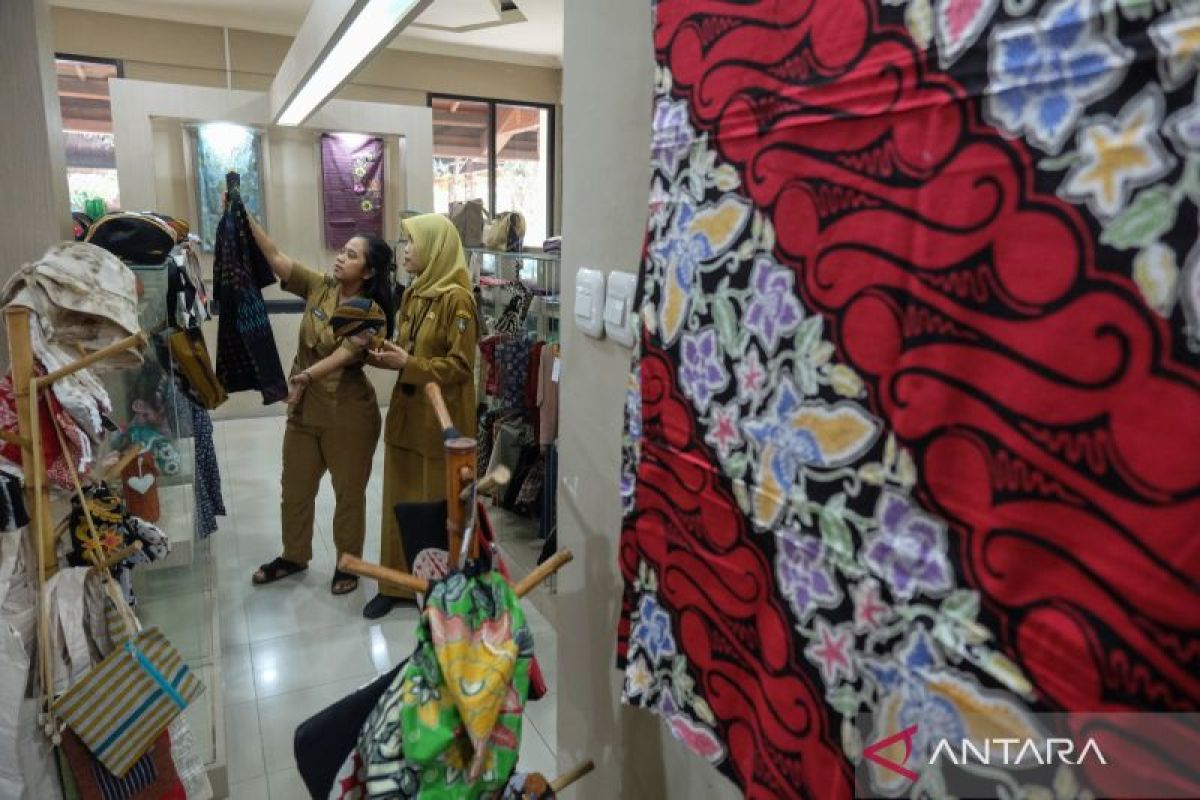
Jakarta - Director of Strategic Studies and Management at the Ministry of Creative Economy, Agus Syarip Hidayat, stated that local industries rooted in human creativity possess resilience in the current geopolitical and global economic climate. He explained that, in line with the seven priority subsectors mapped out in President Prabowo’s National Medium-Term Development Plan (RPJMN) and data obtained from a working meeting with Commission VII of the Indonesian House of Representatives, MSMEs and the creative economy are human creativity-based subsectors that can serve as a buffer for the Indonesian economy amid geopolitical escalation because they cannot be subjected to tariffs, embargoes, or disrupted by commodity volatility. Among these subsectors, gaming, digital applications, and animation are considered the most resilient, as their source lies in creativity. “This subsector is the most resilient because added value comes from human talent and creativity, not imported raw materials. It is unaffected by tariffs or global supply chain disruptions,” Agus said in an official statement received by ANTARA in Jakarta on Wednesday. Additionally, Agus noted that intellectual property subsectors such as music, film, and digital content also hold high royalty potential, thereby increasing the economic value for local creative economy players. Throughout 2025, more than 90 percent of Netflix Indonesia subscribers watched local content, and 35 Indonesian titles entered Netflix’s Global Top 10. This has brought the market value of the content creator industry to Rp1,000 trillion, with potential for creator growth of four to five times over the next five years. Intangible assets also carry minimal supply chain risk and high international royalty potential. In this regard, the Ministry of Creative Economy is actively working within the WIPO forum to promote fairer copyright royalty governance for Indonesian creators, ensuring their economic rights are upheld. Meanwhile, three other subsectors—culinary, fashion, and crafts—remain the backbone of the creative economy industry, with export values reaching 26.68 billion US dollars from January to October 2025. Tourism-based and wellness creative economy sectors also continue to attract cross-border investors and tourists, demonstrating high resilience to global shocks. Agus stated that the Ministry of Creative Economy is implementing concrete programme strategies whose results can be directly felt by the public amid the current global situation. These include consistently raising quality to international standards, export certification, professional packaging, and brand strengthening. “The goal is not to sell more, but to sell at a higher value in the global market,” he added. The ministry is also providing access to People’s Business Credit (KUR) financing for 170,000 micro creative economy business units, with a projected Rp40 trillion per year, along with digital training and facilitation of certification and business matching through Ekrafhub. Creative economy players are also urged to maintain product quality sustainably and obtain international certification, expand markets by leveraging digital marketing, differentiate products based on culture, and consider alternative ASEAN markets as export destinations. The Ministry of Creative Economy is also promoting downstream processing to reduce imports of raw materials, strengthen the domestic value chain, and lower production costs.