
Local Bus Modernisation Must Go Hand in Hand with Safety
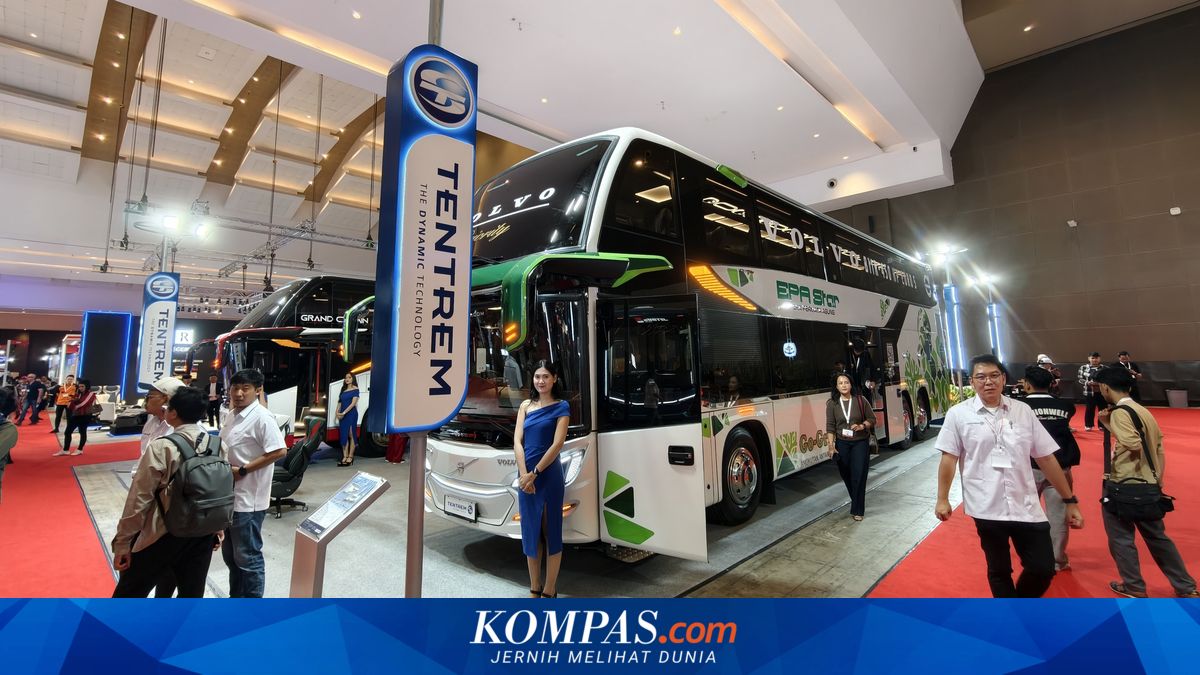
Jakarta — The growth in domestic bus body manufacturing capacity and the modernisation of buses in Indonesia must not overlook crucial safety aspects on the roads. Regulators emphasise that no matter how advanced the innovations, the protection of service users remains the top priority. This was stated by Utomo Harmawan, Head of the Non-Dedicated Transport Sub-Directorate, Directorate of Road Transport, Directorate General of Land Transportation, Ministry of Transportation (Kemenhub), at the opening of Busworld Southeast Asia 2026 at JIExpo Kemayoran, Central Jakarta, on Wednesday, 20 May 2026.
“Vehicle modernisation and industry expansion must walk hand in hand with raising safety standards, meeting vehicle technical requirements, protecting service users, and strengthening a safety culture in the operation of road transport,” Utomo said.
Utomo added that the modernisation of fleets by new bus body manufacturers could be said to bring real positive impacts if the benefits are felt directly by the wider public in terms of safety on the ground.
Aligned with the safety corridor emphasised by regulators, the global mass transit industry is also shifting its innovation focus. The trend in modern buses today is no longer only about luxury design; it is increasingly embedding active safety features based on digital technology.
Vincent Dewaele, General Manager of Busworld International, revealed that the leap in digital technology in modern fleets significantly helps improve efficiency while reducing potential road risks.
“Today we see smarter buses, interconnected fleets, all maintenance driven by AI, advanced safety systems, autonomous technology, and a mobility experience that puts passengers at the centre,” Vincent said.
Nevertheless, Vincent cautioned that a future of safe, modern, and sustainable transport cannot be achieved if progress only comes from manufacturers’ moves.
Concrete on-the-ground collaboration is needed, involving the entire ecosystem from bus operators and infrastructure providers to government oversight in order to ensure that these global safety standards can be implemented in daily operations.