
Literacy, Numeracy, and Online Loans & Gambling
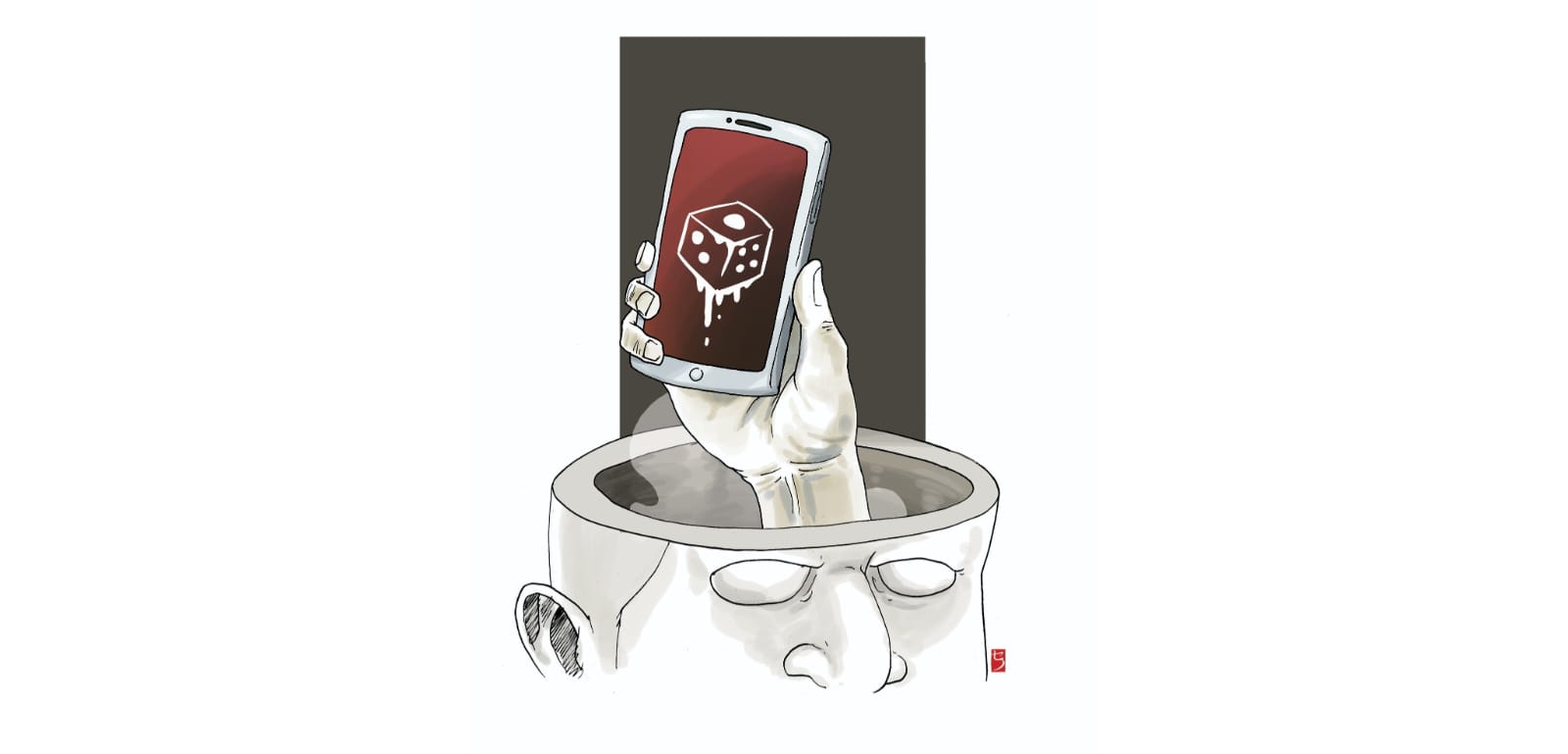
When hearing the word literacy, many people immediately imagine the activity of reading books. When hearing numeracy, what usually comes to mind is the ability to count. This understanding is not entirely wrong, but it is far outdated compared to the development of literacy and numeracy concepts used by UNESCO, the OECD, and various international institutions today. In the latest understanding, literacy is no longer merely the ability to read and write, just as numeracy is no longer merely the ability to count. Both are seen as the ability to understand, interpret, evaluate, and use information to make decisions and solve problems in real life. Therefore, a person who can read is not necessarily literate. We often encounter people who remain seated in chairs marked priority for the elderly, pregnant women, and persons with disabilities even though they can read the text and understand the symbols displayed. We also find people who smoke in areas marked no smoking or ignore various safety signs that are clearly posted. They can read the words and recognise the symbols, but fail to use that information to guide their behaviour. A similar phenomenon occurs with numeracy. Many people can solve mathematical problems at school but struggle to understand financial risks, read graphs, interpret statistical data, or compare various options based on available quantitative information. They can calculate, but are not necessarily numerate. If examined more deeply, literacy and numeracy actually share the same conceptual structure. The only difference lies in the form of information processed. Literacy deals with information represented through language and text, whereas numeracy deals with information represented through numbers, data, graphs, measurements, and probability. However, both demand the same mental processes: understanding, interpreting, evaluating, and using information to act appropriately. Therefore, literacy and numeracy are more accurately viewed as two sides of the same coin. Both are the ability to make meaning from information representations. One operates primarily on verbal representations, while the other operates primarily on quantitative representations. In real life, the two almost never work separately. The widespread problem of online loans and online gambling in Indonesia provides a very clear illustration. Many victims of online loans can actually read the terms and conditions listed in the application. However, they do not fully understand the consequences of interest, penalties, debt accumulation, and the financial risks they will face. Conversely, this understanding also demands numeracy, namely the ability to interpret figures, calculate the payment burden, and estimate its impact on the family’s economic condition. Similarly, in the case of online gambling. A person may understand the various warning messages conveyed by the government, media, and community leaders. However, without the numeracy skills to understand probability, risk, and long-term losses, people remain easily trapped by the illusion of momentary victory. Data from PPATK shows that millions of online gambling transactions still occur in Indonesia, with the majority of perpetrators coming from low-income groups. In the first quarter of 2025 alone, more than 1 million online gamblers were recorded, with around 71 percent earning below Rp5 million per month. Although the government continues to shut down thousands of illegal online loan platforms and eradicate online gambling, the number of victims trapped remains very large. These facts show that the problem faced by society is not merely a lack of reading ability, but an inability to understand and use information appropriately in decision-making. Therefore, efforts to tackle online loans and online gambling cannot be sufficiently addressed through law enforcement, platform blocking, or warning campaigns alone. The long-term solution must include strengthening public literacy and numeracy. Literacy helps a person critically read various offers that appear profitable, recognise misleading persuasive language, verify the truth of information, and understand the rights and obligations contained in a contract or digital transaction. Meanwhile, numeracy enables a person to calculate the true total cost of a loan, estimate the accumulation of interest and penalties, compare various financial alternatives, and understand probabilities and risks rationally. Individuals with good literacy and numeracy are not easily trapped by promises of instant fund disbursement and enticements of big wins because they can assess the long-term consequences based on reasonable evidence and calculations. In this context, literacy and numeracy education needs to be linked to real-life situations faced by students. Students do not only need to learn to understand readings or solve abstract mathematical problems, but also need to practice analysing online loan advertisements, examining the terms and conditions of a digital financial service, calculating compound interest, interpreting statistical data, and understanding the concept of probability that underlies all forms of gambling. Such learning helps students see the direct connection between the knowledge learned at school and the decisions they must make in daily life. Thus, literacy and numeracy do not stop as academic competencies, but develop into provisions to protect themselves, their families, and society from various socio-economic risks.