
List of Essential Items and Documents for Disaster Preparedness Kits
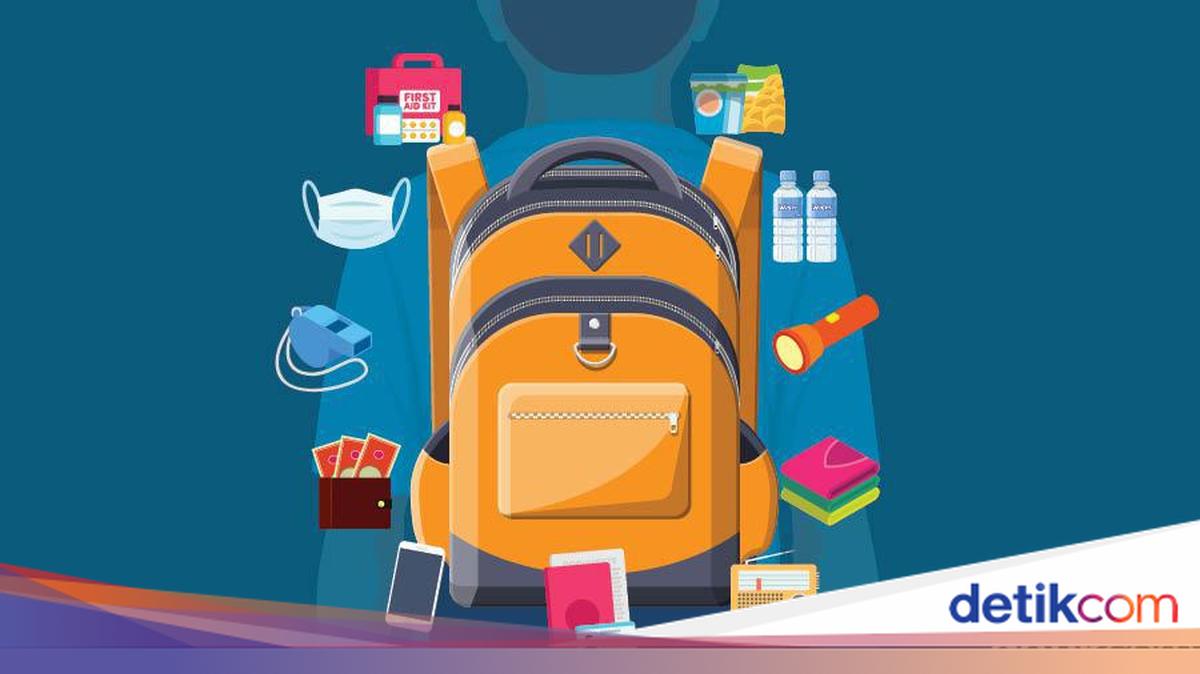
Indonesia is a region prone to natural disaster threats, making individual preparedness essential to anticipate risks and minimise emergency impacts. One form of preparedness is preparing an Emergency Preparedness Kit (Tas Siaga Bencana or TSB) in every household.
An Emergency Preparedness Kit is an emergency backpack or bag prepared by family members before a natural disaster or other critical conditions occur. The primary goal is to meet the minimum basic needs of a family to survive independently for at least 72 hours (the first 3 days) before external aid arrives, while also facilitating the emergency evacuation process.
To ensure this self-protection function works optimally, items placed in the Emergency Preparedness Kit should be categorised based on their level of urgency, including both daily logistical supplies and official documents.
Below is the list of essential items and documents that must be included in an Emergency Preparedness Kit, as recommended by the National Disaster Management Agency (BNPB).
Essential Items List:
Drinking Water: Sufficient bottled water supplies to meet hydration needs for approximately 3 days; it is recommended to use small bottles for easy arrangement within the bag.
Long-lasting Food: Ready-to-eat foods or durable snacks such as biscuits, instant noodles, shredded meat (abon), and chocolate that do not spoil quickly.
Clothing: Change of clothes for 3 to 5 days, including long trousers, long-sleeved shirts, underwear, jackets, towels, emergency blankets, and raincoats.
First Aid Kit and Medicines: Including personal medications for those with specific medical histories, as well as general medicines for emergency medical handling.
Toiletries and Hygiene: Personal sanitation supplies such as soap, toothbrush, toothpaste, shampoo, combs, and cotton buds.
Lighting Equipment: Flashlights, headlamps, candles, or matches, along with spare batteries, which are vital during power outages.
Communication and Power Devices (Mobile Phones and Power Banks): Mobile phones, chargers, spare batteries, or radios to monitor real-time disaster information updates.
Whistle: A simple tool to provide signals or emergency calls to rescue teams.
Masks: Disposable respiratory protection to filter dirty, dusty, or contaminated air.
Cash: An adequate supply of cash in appropriate denominations for emergency transactions.
Mandatory Document List:
Personal Identity Cards (KTP, Driver’s License, Passport): Official documents or copies stating identity to facilitate evacuation registration.
Population Documents (Family Card, Birth Certificate): Family identity files that are crucial for post-disaster administrative processes.
Educational Certificates (Diplomas): Valuable academic documents that are difficult to replace if lost or damaged.
Ownership and Financial Documents: Land titles, vehicle registration, savings books, and insurance policies.
Additional Information:
In addition to primary logistics, the emergency kit can be supplemented with supporting tools such as multi-purpose pocket knives, nylon rope, maps, paper and pencils, and family photographs. To prevent damage from water or flooding, all important documents and electronic items are highly recommended to be wrapped in waterproof plastic bags before being placed in the backpack.
Given that natural disasters can occur unexpectedly, this individual preparedness should be prepared by every household early without delay. Having thorough preparations from the start is a crucial step in anticipating risks and minimising emergency impacts for oneself and one’s family.