
List of 2026 Rest Areas with Adequate Facilities on Trans Java Toll Road
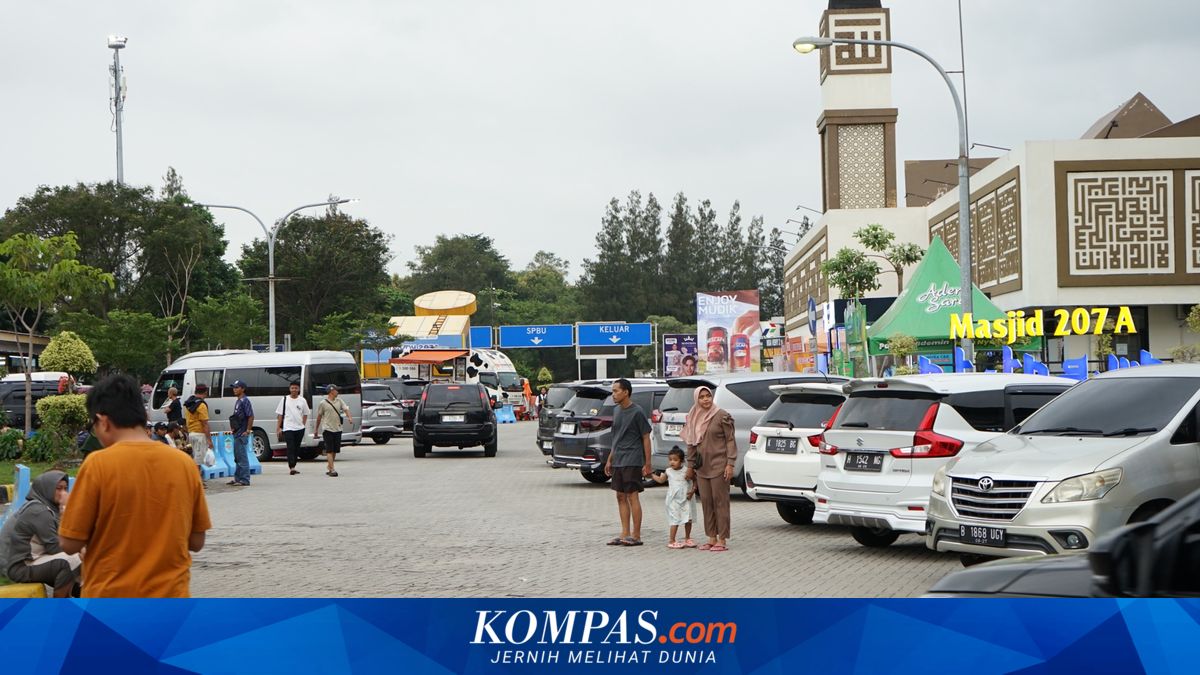
For private vehicle users on the Trans Java toll road, maintaining physical fitness during the journey home for the holidays is crucial. Consequently, travellers must familiarise themselves with the list of rest areas as part of planning for the 2026 mudik period. After driving for 2.5 to 3 hours, a break is mandatory.
“The ideal driving duration is 2.5 to 3 hours under normal conditions, or a maximum of four hours during traffic congestion,” stated Sony Susmana, Training Director at Safety Defensive Consultant Indonesia, cited on Thursday (12 March 2026).
The following rest areas on the Trans Java toll road offer adequate facilities for brief stops during the 2026 holiday exodus.
During peak travel periods and return journeys, rest areas enforce time limits for stops. However, whether these apply during the 2026 Eid period remains unclear.
This mechanism resembles traffic management measures such as one-way systems and contraflow operations.
“It’s essentially similar to traffic engineering on the Jakarta–Cikampek toll road or other routes—one-way, contraflow. So for rest areas, we also have parameters,” explained Ria.
If congestion persists continuously, toll operators inform users directly through various information channels.
“When a rest area becomes sufficiently full, we will announce across all our information platforms that the rest area is full and direct users to alternative facilities,” Ria stated.
“Based on historical patterns, peak hours during homebound travel typically occur around the time of Maghrib prayers. Everyone wants to break fast, so the area at kilometre 57 is usually quite busy,” Ria noted.
To identify rest area locations and monitor traffic congestion on the Trans Java toll road, travellers can download Travoy, the official toll road travel assistant application by Jasa Marga. Further guidance on its use is available.