
Lipstick Effect in Indonesia, Not a Sign of Strong Consumer Spending
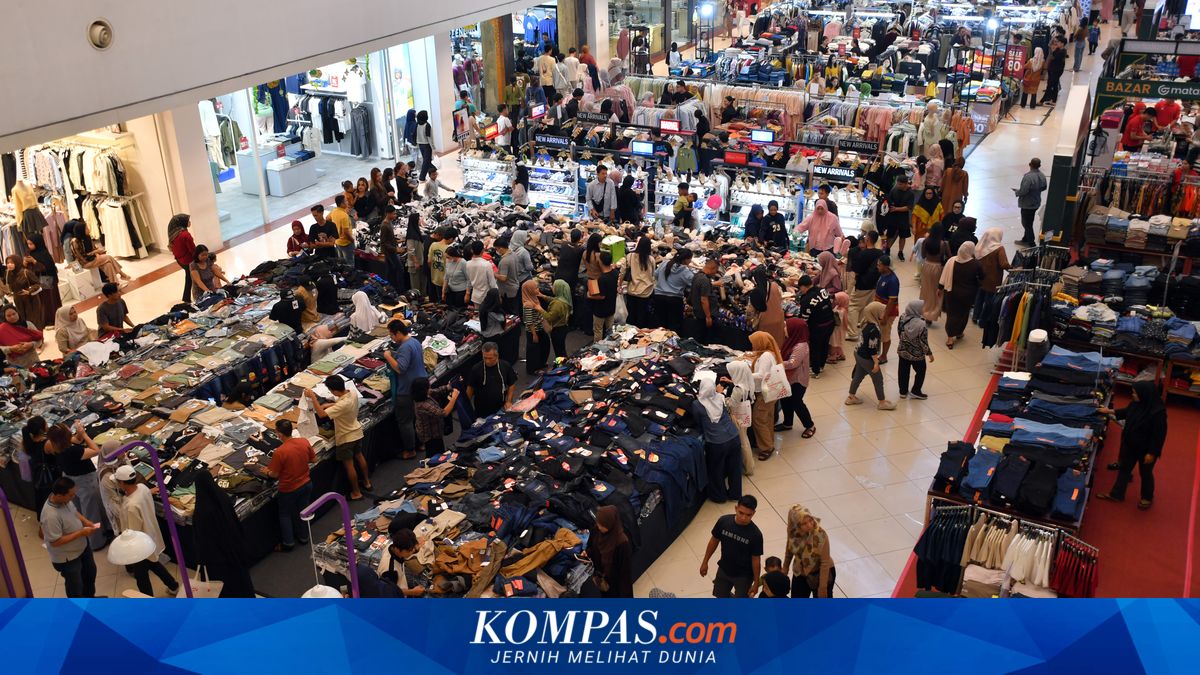
Jakarta — The lipstick effect is beginning to appear in the consumption patterns of Indonesian people amid economic pressure. Yusuf Rendy Manilet, an economist at the Centre of Reform on Economics (CORE) Indonesia, said the phenomenon is visible in shifting consumer priorities. People tend to refrain from purchases of large assets, then switch to lifestyle products at more affordable prices. ‘In a tough economy, people usually hold back on big purchases such as houses, cars, or expensive items, but still buy small luxuries like skincare, coffee, perfume, or lifestyle products whose prices remain within reach,’ Yusuf said when contacted on Tuesday, 19 May 2026. He added that robust spending in these categories cannot be read as a sign that households’ finances are secure. ‘That is why some categories of small consumption still appear robust even as economic pressures rise. The phenomenon does not mean the economy of households is in good shape,’ he said. He assessed that such shopping behaviour tends to be a shortcut to emotional satisfaction amid deteriorating financial capacity. ‘It is often a sign that people are seeking psychological compensation under pressure on purchasing power,’ he noted. This strategy is being employed so that consumers can maintain their daily shopping habits. ‘Moreover, there are now signs of downtrading, with consumers switching to cheaper products, smaller packaging, or making use of paylater services to sustain their lifestyle,’ he said. Yusuf warned policymakers and market players not to misread the seemingly active micro-consumption data. ‘The lipstick effect should be read as a signal of caution, not as an indication that consumption is strong,’ he insisted. Yusuf also warned of the long-term impacts on household financial resilience if income stagnation and economic pressures persist without improvement. ‘If economic pressure lasts too long while incomes do not rise, the next risks are household savings being depleted, debt-financed consumption increasing, and the population’s resilience weakening,’ he said.