
Limited Internet Access Hinders Digital Public Services
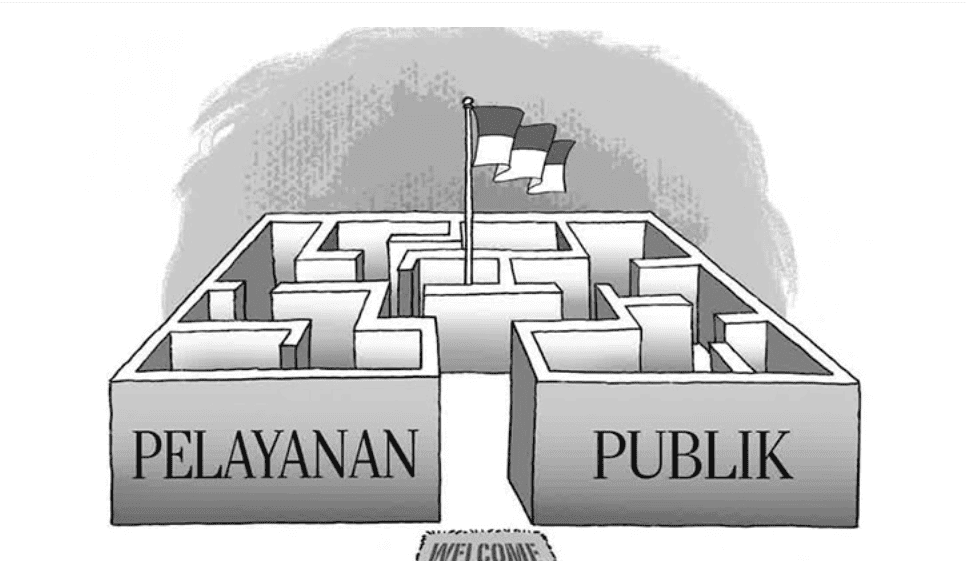
The Indonesian Ombudsman has highlighted limited internet access in several regions, which affects the fulfilment of citizens’ rights to obtain digital public services. Ombudsman member Partono said equitable internet access still faces obstacles, especially in certain areas experiencing network limitations.
“As a result, population administration, health, education, licensing and village services cannot yet operate optimally,” Partono said in a statement confirmed in Jakarta on Friday (7/8).
To improve the quality of digital public services and prevent maladministration, the Ombudsman met with Minister of Communication and Digital Affairs Meutya Hafid in Jakarta on Thursday (23/7).
During the meeting, the Ombudsman highlighted a number of strategic issues, including equitable internet access in frontier, outermost and disadvantaged (3T) regions, utilisation of the National Data Centre as infrastructure for the Electronic-Based Government System, and data interoperability.
The Ombudsman also discussed strengthening complaint channels, including content blocking services and personal data protection. Partono proposed strengthening coordination between the Ombudsman and the Ministry of Communication and Digital Affairs, particularly to accelerate the resolution of public reports and strengthen assessments of digital public service quality.
According to him, inter-agency synergy is important to drive sustainable improvements in communication and information services.
“We hope that by strengthening coordination we can accelerate reports submitted to us by improving responses to public complaints,” he said.
Partono also appreciated the ministry’s achievements in the Public Service Delivery Assessment, which has received the Highest Quality rating from 2022 to 2025.
In 2025, the ministry obtained the Highest Quality Opinion without Maladministration with a final score of 91.41. According to Partono, this achievement demonstrates the ministry’s commitment to improving service quality for the public.
The Ombudsman will again conduct the Public Service Delivery Assessment in 2026, scheduled for August to September. The assessment is carried out to encourage improvements in public service quality through measuring compliance and service quality aspects at ministries, agencies and regional governments.
Meanwhile, Minister Meutya Hafid welcomed the strengthening of synergy between the Ombudsman and the ministry, including input regarding internet access in 3T regions.
“We are open to input from the Ombudsman regarding ministry services as well as services in the ecosystem we regulate. Thank you for the input,” Meutya said.