
Lighting Up the City After Dusk: Surabaya's Night Culinary Economy as a Model for Urban Development
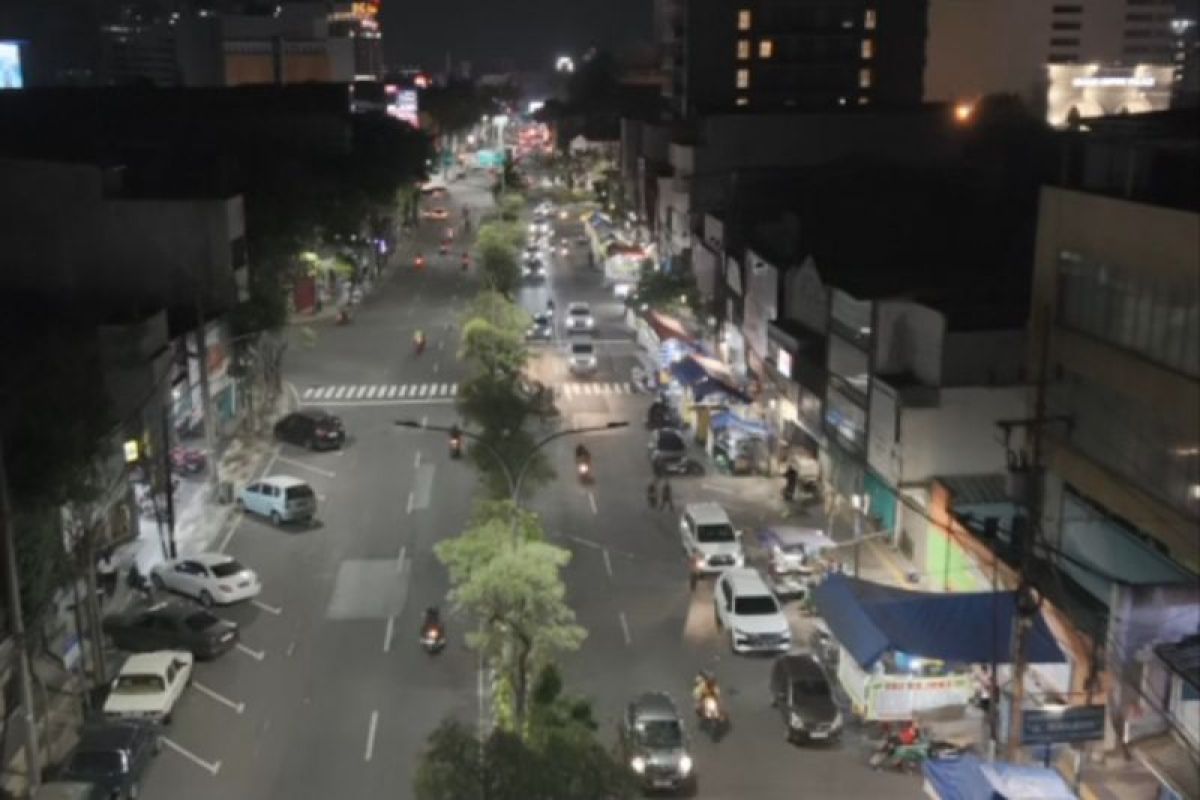
The sky began to lose its orange hue as the aroma of garlic, charcoal, and spices slowly took over the air in Surabaya, East Java. Across various corners of the city, plastic chairs started to fill up, woks were reheated, and conversations flowed amidst the steam of cooking food. Nighttime is not merely a change of time; it transforms into a space for gathering, where the economy moves, traditions endure, and the city reveals a different face.
Night culinary culture has long been part of Surabaya’s identity. From the legendary areas of Kedungdoro and Genteng to the ever-growing number of culinary centres, economic activity thrives when most offices have closed. The city seems to possess a second pulse that only becomes palpable after the sun sets.
This phenomenon is increasingly interesting because the city government no longer views night culinary activity as merely informal trade. The arrangement of areas, strengthening of legal status, and development of culinary tourism centres indicate that this activity is now positioned as part of urban development, a driver of the creative economy, and a tourist attraction.
Urban Space
The debate regarding street vendors almost always pits two interests against each other. On one side is the community’s need to earn a living; on the other is the government’s obligation to maintain the function of roads, pavements, cleanliness, and public order.
Surabaya is attempting to take a more balanced path. The city government asserts that the night culinary areas on Jalan Kedungdoro and Jalan Genteng have a legal basis that has been in effect for decades. This status makes the two areas an exception to road function regulations.
However, this exception does not mean freedom from rules. Trading activities must still respect public space, maintain drainage, avoid using pavements for selling, and minimise traffic congestion.
This approach is important because it demonstrates that preserving culinary heritage can coexist with enforcing urban planning regulations. Many major cities face the dilemma of maintaining legendary areas while upholding the rules. Not a few ultimately lose their character by choosing eviction as the easiest solution. Conversely, some allow areas to grow uncontrollably until new problems arise.
Surabaya appears to be choosing a middle path. Areas with historical value are preserved, but their management quality is continuously improved. This approach is more sustainable than simply relocating problems from one point to another.
This step also reflects a shift in perspective towards the informal sector. Street vendors are no longer positioned merely as objects of enforcement, but as part of the urban economic ecosystem that needs to be organised to grow healthily.
Data from the Ministry of Tourism over recent years shows that culinary tourism is one of the main reasons tourists visit various regions in Indonesia. This means food is no longer just a consumption need, but a tourism experience that provides multiplied economic value. A city that can maintain the quality of its culinary areas has the opportunity to reap economic benefits far greater than just food transactions.