
Lifelong Learning Drives Children's Ability to Learn and Adapt
The development of artificial intelligence (AI), which is changing the landscape of the world of work, is making lifelong learning skills increasingly necessary. Amidst very rapid changes, it is no longer enough for children to merely pursue academic achievement; they must also possess an adaptive, creative mindset and be ready to continue learning throughout their lives. CEO & Founder of Gentem Lifelong Learning Group, Kish Gill, stated that future challenges demand a transformation of the education system. According to him, a person’s future success is determined not only by the mastery of knowledge but also by the ability to continue learning and adapting.
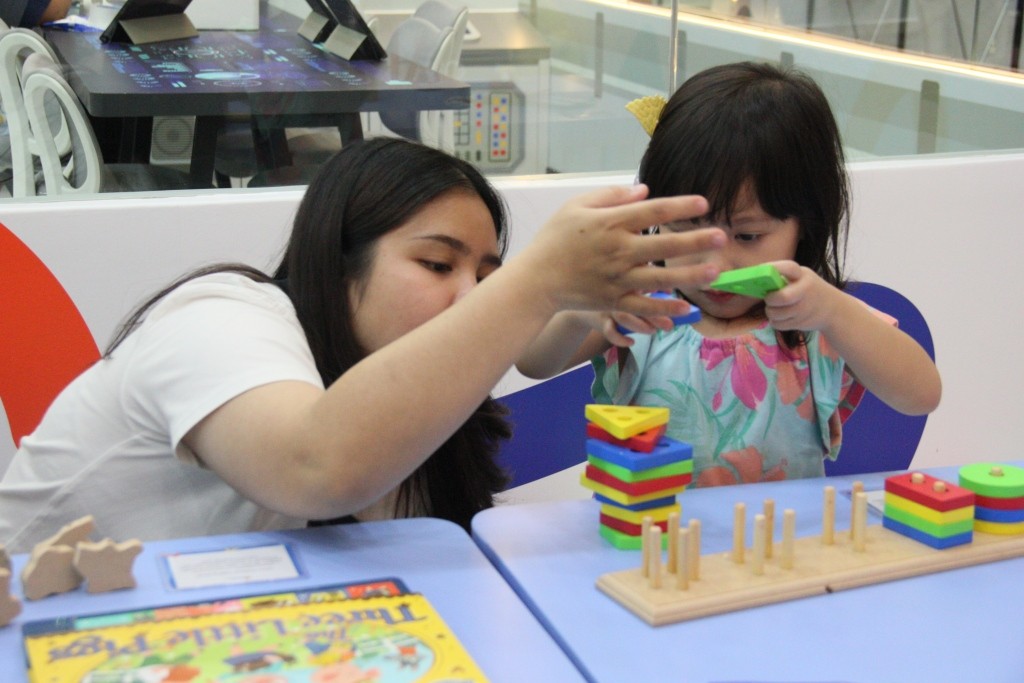
‘Genstarkids is here to help children aged 2.5 to 12 years old fall in love with the learning process itself. When curiosity, creativity, and a growing spirit develop naturally, that foundation will become an important provision for their success, both in the world of education and when entering the workforce in the future,’ said Kish at the launch of Genstarkids. The learning programme was introduced alongside the inauguration of the 12th Gentem Center at Living World Kota Wisata, Cibubur. The presence of Genstarkids is part of Gentem’s commitment to building an educational ecosystem that prepares the younger generation to face global changes through a lifelong learning approach.
The launch also featured a talk show titled ‘Thriving in Uncertainty: The Lifelong Learning Advantage’ with Kish Gill, Pritta Tyas, Gisela Thesa, and Dr Schott. The discussion highlighted the importance of a lifelong learning culture as a provision for facing an increasingly dynamic world. Kish explained that the urgency of lifelong learning is becoming more apparent along with the transformation of the world of work due to the development of AI. Referring to the Future of Jobs Report 2025 from the World Economic Forum (WEF), an estimated 170 million new jobs will be created by 2030. However, at the same time, around 92 million jobs are projected to be displaced, while 40% of the skills needed in the workplace will change. The report also estimates that around 66% of jobs in 2030 will involve collaboration between humans and technology. This condition makes skills such as communication, critical thinking, collaboration, creativity, adaptability, and the willingness to continue learning increasingly important.
‘Change is unavoidable. Therefore, what needs to be prepared is not only children’s knowledge today, but also their ability to continue learning when the world changes. That is the essence of lifelong learning,’ said Kish. He added that this challenge is also reflected in the condition of education in Indonesia. Based on the 2022 PISA results cited by UNICEF Indonesia, only 26% of 15-year-old students have basic creative thinking skills, while only about 5% reach a high level. According to Kish, this condition shows the need for a learning approach that not only pursues academic grades but also develops thinking skills and character from an early age.
On this basis, Genstarkids developed a curriculum focusing on three main pillars: communication, character, and cognitive development. Children are encouraged to master English as a provision for facing a global environment, build character through resilience and collaboration, and develop curiosity, critical thinking skills, creativity, and initiative. The learning process combines various methods such as project-based learning, experiential learning, cross-curricular integration, and inquiry-based learning. The curriculum also refers to international standards such as the Cambridge English Assessment and CEFR, and utilises various global learning platforms, including Oxford Reading Tree, Code.org, Canva for Education, and AI integration as part of the learning process.
Founder of Sekolah Bumi Nusantara Montessori, Pritta Tyas, assessed that this approach can answer the needs of future education because it places child development as the main focus. ‘What is interesting about Genstarkids is that this programme is built based on children’s needs, not just pursuing academic results. Communication, character, and cognitive growth are important foundations for the future generation,’ she said. Through Genstarkids, Gentem hopes that more Indonesian families will understand that lifelong learning skills are the main capital for facing the era of technological disruption. By instilling a love for the learning process from an early age, children are expected to grow into adaptive, creative individuals ready to face the challenges of an ever-changing world.