
Life-saving viruses: Phage therapy amid antibiotic resistance
Clinical therapy requires phages that are safe, stable, well-characterised, and do not carry toxin genes or antibiotic resistance genes.
Jakarta (ANTARA) - For some people, antibiotics are often considered a “miracle drug”. When a fever or cough persists, they immediately seek old prescriptions, buy them without consulting a doctor, or keep a stock for “just in case”.
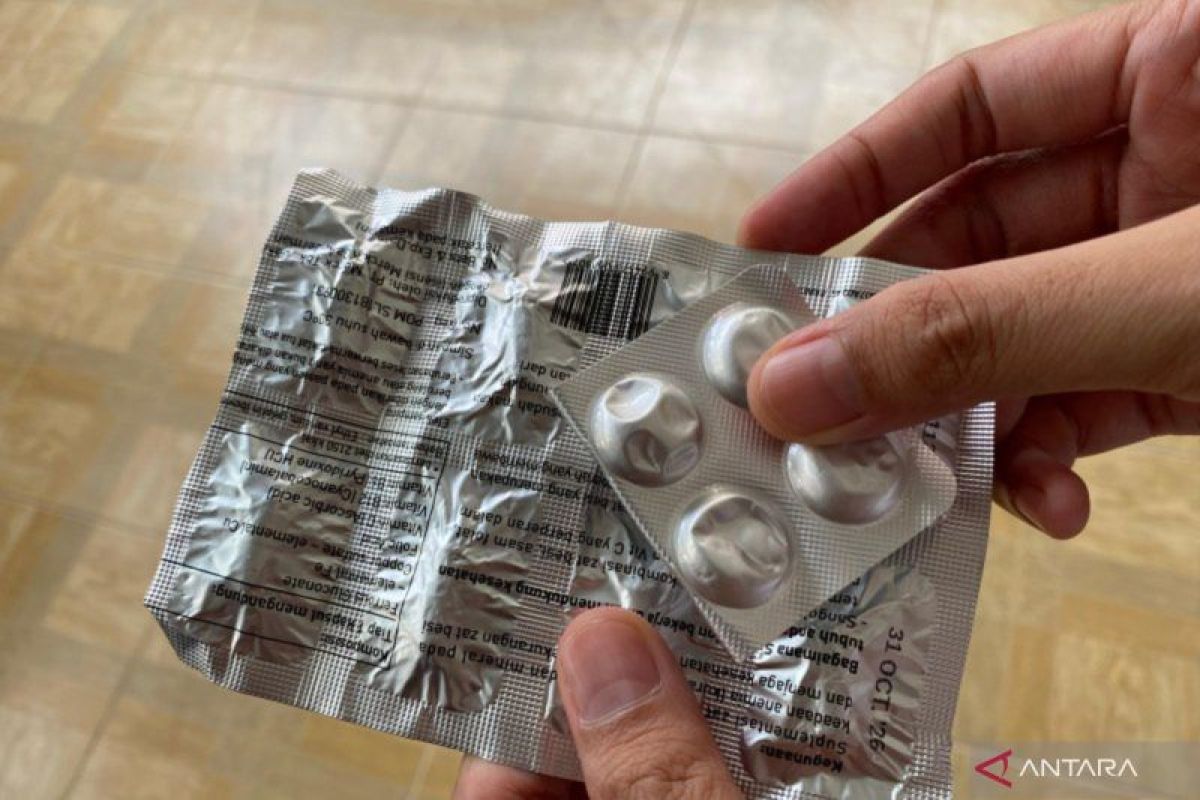
Surveys by the WHO and the Ministry of Health show that this practice is still widespread in Indonesia: antibiotics are often consumed without a prescription, at incorrect doses, or stopped prematurely.
The 2023 Indonesian Health Survey (SKI) showed that of the 22.1% of the population who used oral antibiotics in the past year, 41% obtained antibiotics without a prescription.
This habit has significant consequences. Bacteria that are repeatedly exposed to antibiotics are becoming resistant.
In hospital wards, the consequences are clear. A patient arrives with a wound that is difficult to heal. Antibiotics are administered, and bacterial cultures are tested. Then comes the news that worries doctors, families, and patients alike: the bacteria are resistant. The drug that has been a mainstay of modern medicine for decades is no longer as effective.
This crisis is called antimicrobial resistance (AMR), which is when bacteria, viruses, fungi, or parasites are no longer susceptible to antimicrobial drugs.
The World Health Organization (WHO) estimates that bacterial AMR caused 1.27 million deaths globally in 2019 and contributed to 4.95 million deaths. In Indonesia, an estimated 133,800 deaths were associated with AMR in 2019, placing Indonesia in 78th place out of 204 countries in terms of age-standardised mortality rate related to AMR.
The Indonesian Ministry of Health, together with the WHO, has launched the National Strategy for Controlling Antimicrobial Resistance in the Health Sector 2025-2029. The main objective is clear: detection must be strengthened, antibiotics must be used wisely, and public education must be expanded. A One Health approach must connect human, animal, food, and environmental health.