
Lestari Moerdijat: Women's Participation in STEM is Key to Global Competitiveness
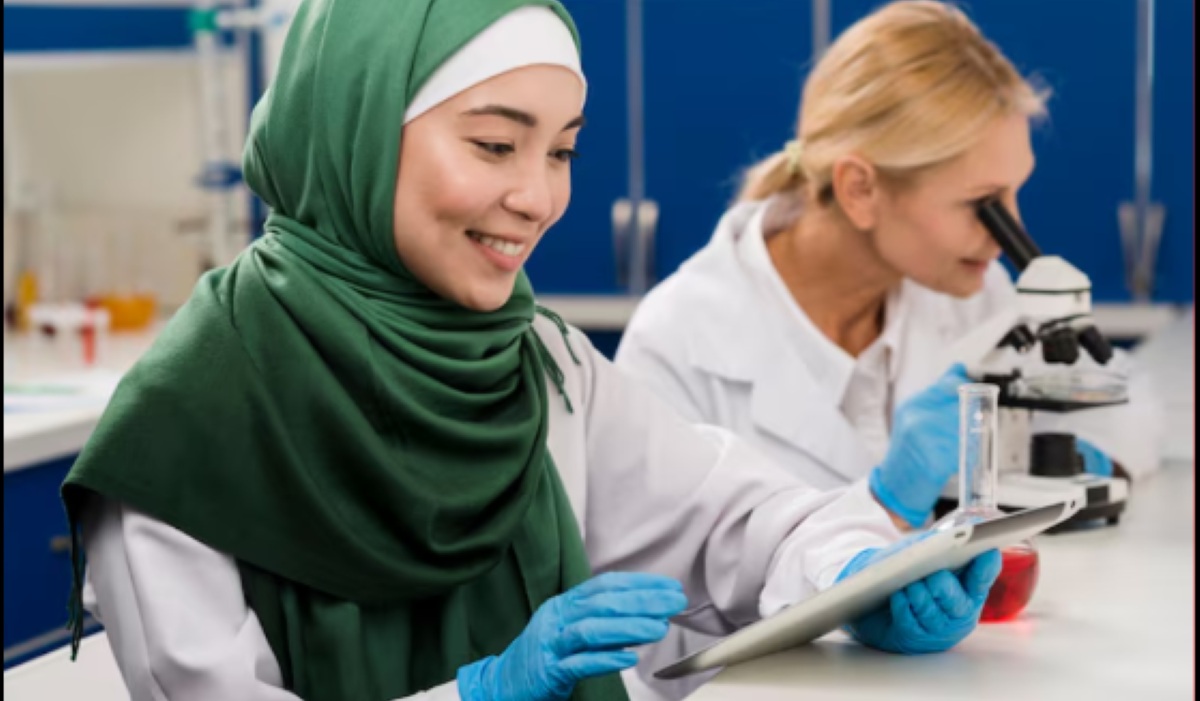
Increasing women’s participation in Science, Technology, Engineering, and Mathematics (STEM) is considered a necessity to win the global competition. This has become a serious concern given that the gender gap in the sector remains a major challenge for Indonesia. “The gender gap in the STEM sector is not just an issue of fairness, but has become a serious obstacle to the nation’s competitiveness and innovation,” said Deputy Speaker of the People’s Consultative Assembly (MPR RI) Lestari Moerdijat in a written statement on Monday (29/6). According to Lestari, career challenges for women in STEM fields in Indonesia remain a significant homework. Data shows a significant imbalance between the number of female graduates and the absorption of female workers in this sector. Although the number of female graduates in STEM reaches 35%, the reality in the workplace shows that only about 8% are able to survive and build sustainable careers. A discussion themed ‘STEM Career GRWM (Get real with me)’ at the end of last March revealed a number of main obstacles. This situation triggers a phenomenon where many women eventually choose career paths considered ‘safer’ or even decide to leave the world of science and technology entirely. Notes from the Chief Information Officer (CIO) Summit 2026 revealed the fact that Indonesian women’s participation in the national technology sector is still below 20%. Even more concerning, women’s representation at the leadership level only touches around 8%. Lestari, who is familiarly called Rerie, encouraged the strengthening of an inclusive education system starting from the family environment to human resource (HR) development policies. The member of Commission X of the Indonesian House of Representatives (DPR RI) believes that changing the narrative is crucial to normalising women’s involvement in STEM fields. “We need to create an inclusive learning environment in schools and universities, providing space for women to be active in research, scientific discussions, and academic leadership,” Rerie stressed. As a member of the NasDem Party High Council, she emphasised that opening wide access for women in STEM is a strategic investment. This aims to ensure Indonesia has quality human resources to face the challenges of the global era. “A comprehensive transformation from upstream to downstream, starting from changing the narrative, providing access such as research funding, to advocating for pro-equality policies, is the key to realising increased involvement of women in STEM,” she concluded.