
Lestari Moerdijat: Vocational Training Institutes Play a Vital Role in Improving National Human Resources
Vocational training institutes (LKPs) are considered an important part of efforts to improve the quality of national human resources, especially in addressing the challenges of the world of work and the problem of school dropouts.
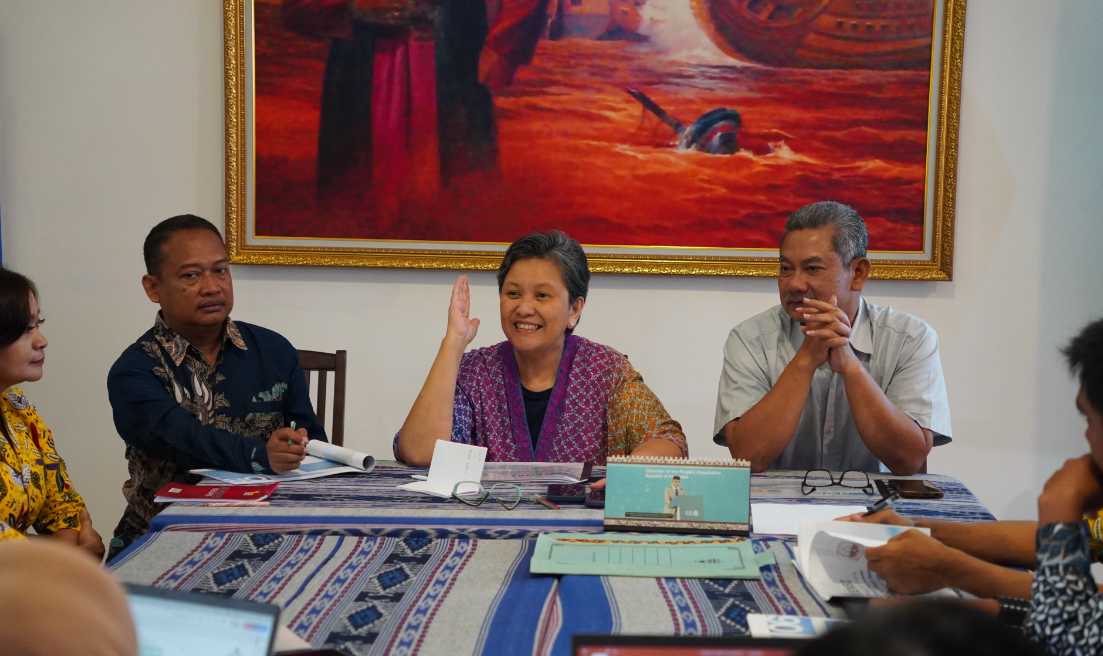
This was conveyed by Deputy Speaker of the MPR RI, Lestari Moerdijat, when receiving the management of the Jepara Regency Vocational Training Institute Forum in Jepara, Central Java, on Thursday (26/2).
“I appreciate the existence of vocational training institutes that are able to provide solutions to the problems faced by children who drop out of school,” said Lestari.
According to Lestari, who is also a member of Commission X of the DPR RI, the presence of LKPs in various regions is able to open up opportunities for school dropouts to acquire the skills needed in the world of work.
She believes that the skills-based training provided by LKPs is a concrete solution in improving the competitiveness of the national workforce. With competencies that meet the needs of the industry, graduates of LKPs are expected to be more easily absorbed into the job market.
Rerie, as she is affectionately known, believes that the various efforts made by LKPs are a strategic step to improve the skills of the community while also helping to solve the employment problem in Indonesia.
“This is a real contribution from the managers of LKPs to prepare every child of the nation to welcome the 100th anniversary of Indonesia’s independence, Golden Indonesia 2045,” she said.
As a member of the High Council of the NasDem Party, Lestari added that improving the skills of young people will open up greater opportunities for them to contribute to the country.
With the increasing quality of human resources, the next generation is expected to be able to help realize an advanced, competitive Indonesia that is ready to face global challenges.
The government is currently promoting the concept of educational transformation, which encourages the development, renewal, and adaptation of new paradigms in accordance with the demands of the times.
For 300 hours of lessons, they are intensively trained to have adequate skills in their field.